How to Use Watercolor as Calligraphy Ink opens up an exciting realm of creativity where traditional calligraphy meets the vibrant fluidity of watercolor. This unique approach allows artists to explore a variety of textures and hues, transforming ordinary lettering into breathtaking art. By blending the intricate techniques of calligraphy with the expressive qualities of watercolor, one can create works that are not only visually stunning but also deeply personal.
In this guide, we will delve into the benefits of using watercolor in calligraphy, tracing its historical roots and providing an overview of essential materials. From selecting the right watercolors to mastering various techniques, we will equip you with the knowledge needed to elevate your calligraphy projects.
Introduction to Watercolor as Calligraphy Ink
Watercolor as a medium for calligraphy offers a unique blend of vibrant colors and fluidity that can elevate the art form to new heights. Unlike traditional inks, watercolors provide artists with a range of hues and textures, allowing for a more expressive and personalized approach to lettering. This versatility not only enhances the aesthetic appeal of calligraphy but also encourages artists to experiment with their styles and techniques.The history of watercolor in artistic practices dates back centuries, with early forms of the medium utilized in various cultures.
Initially, watercolors were made from natural pigments mixed with water, often used for both fine art and decorative writing. The evolution of watercolor became more pronounced during the Renaissance and Baroque periods, where artists began to explore its potential in creating delicate and intricate designs. Today, watercolor has found its place in contemporary calligraphy, marrying tradition with modern aesthetics to produce stunning written works.
Materials Needed for Watercolor Calligraphy
Engaging in watercolor calligraphy requires specific materials that ensure a seamless creative process. The quality and type of materials can significantly affect the outcome of the artwork. Below is a list of essential materials needed for this artistic endeavor, accompanied by brief descriptions highlighting their importance.
- Watercolor Paints: Choose high-quality watercolor paints, either in tubes or pans, that offer vibrant pigmentation. Professional-grade paints provide better color payoff and transparency, essential for layering techniques.
- Brushes: Use a range of brushes, particularly those with soft bristles, such as round brushes and flat brushes. These allow for varied strokes and control, crucial for achieving different lettering styles.
- Paper: Select watercolor paper that can handle the moisture of the paint without warping or bleeding. Cold-pressed or hot-pressed watercolor papers are preferred for their texture and absorbency.
- Water Container: A clean container for rinsing brushes and diluting paint is necessary to maintain the integrity of colors and prevent muddying.
- Palette: Use a mixing palette to blend colors and manage water levels, ensuring the desired consistency is achieved before applying to paper.
- Calligraphy Pen or Nib: While traditional calligraphy pens are often used with ink, specific nibs can also work with watercolor, allowing for varied line widths and styles.
Selecting the right materials is paramount not only for achieving desired results but also for enhancing the enjoyment of the creative process. Each component plays a vital role in translating the artist’s vision onto paper, making the experience of watercolor calligraphy both rewarding and fulfilling.
Choosing the Right Watercolor
Selecting the appropriate watercolor for calligraphy is essential to achieving desired artistic effects and ensuring smooth application. Different types of watercolors possess unique characteristics that can influence the final outcome of calligraphic works. Understanding these variations can help artists make informed decisions when selecting materials for their projects.The properties of watercolor, such as transparency, pigmentation, and consistency, significantly affect their use in calligraphy.
Transparency refers to the ability of the paint to allow light to pass through, creating luminous effects that can enhance the overall appearance of the artwork. Pigmentation is equally important, as it determines the vibrancy and depth of color achievable with each type of watercolor. Additionally, the consistency of the watercolor—whether fluid or thick—can influence the flow and application during calligraphy.
Types of Watercolor Suitable for Calligraphy
There are primarily two categories of watercolor that are favored for calligraphy: pan watercolors and tube watercolors. Each type offers distinct benefits that can cater to different styles and preferences in calligraphic practice.
- Pan Watercolors: These come in solid cakes and are activated with water. They are convenient for portability and allow for precise control over color mixing. Artists can easily layer colors to create different shades and effects, making them a popular choice for detailed calligraphy work.
- Tube Watercolors: Available in a creamy consistency, tube watercolors provide vibrant pigments and can be mixed extensively to achieve a wide variety of colors. They are suitable for larger surfaces and bold strokes, allowing calligraphers to experiment with larger scripts or expressive lettering styles.
Both types of watercolors can yield beautiful results in calligraphy, and the choice ultimately depends on the desired style and effect.
Effects of Fluid vs. Tube Watercolors in Calligraphy Projects
The choice between fluid and tube watercolors can drastically impact the calligraphic process. Fluid watercolors, often found in pre-mixed form or as liquid concentrates, offer a quick application with a more consistent flow. This can be particularly advantageous for calligraphers who prioritize speed and ease in their work, especially in projects that require rapid execution.On the other hand, tube watercolors allow for comprehensive mixing and customization of colors.
They possess a higher pigment concentration, which can result in more vivid and saturated shades. This richness is vital for intricate designs that aim to capture attention. However, tube watercolors require careful dilution to achieve the right flow for calligraphy, as they can sometimes be thick and challenging to work with unless properly managed.
“The choice of watercolor should align with the desired calligraphic effect; vibrancy and flow are crucial for successful execution.”
In summary, understanding the distinctions and properties of different watercolors enables calligraphers to select the right medium tailored to their specific artistic goals. Whether opting for the convenience of pan watercolors or the versatility of tube watercolors, each choice offers unique potential for creativity and expression in the art of calligraphy.
Tools and Materials Required
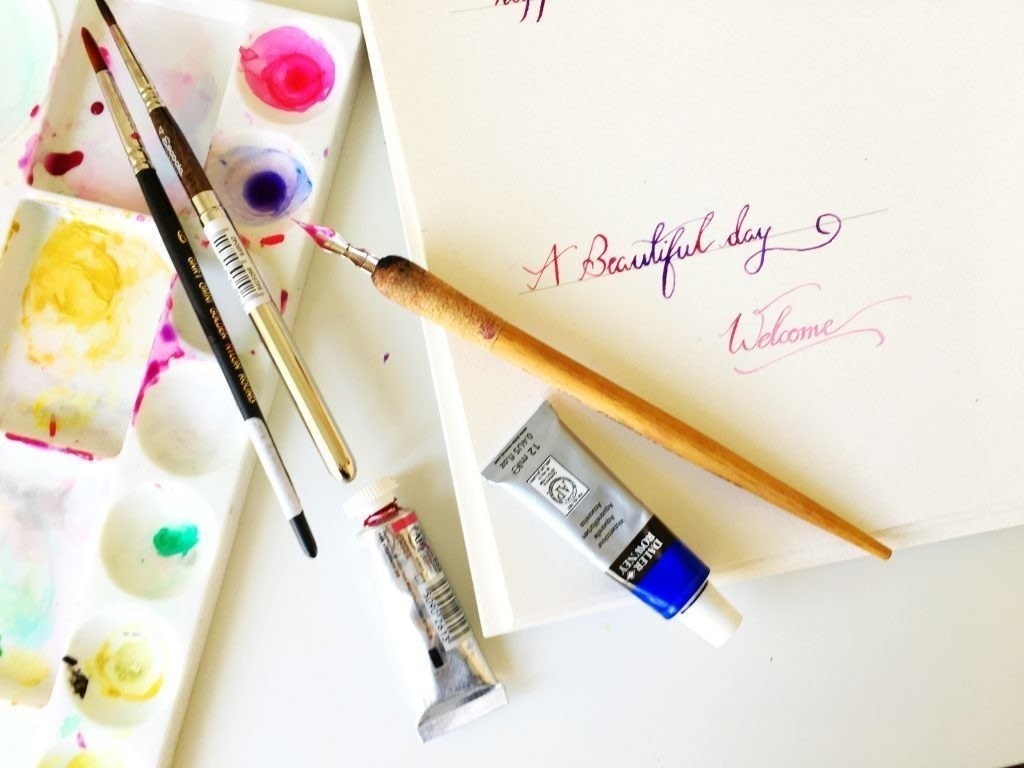
In the art of watercolor calligraphy, having the right tools and materials is crucial for achieving stunning results. These resources not only enhance the beauty of your work but also contribute to the overall ease of the calligraphy process. Selecting high-quality items can make a significant difference in your final piece.The essential tools for watercolor calligraphy include various brushes and pens that cater to different techniques.
Furthermore, the choice of paper is equally important as it affects how the watercolor interacts with the surface and influences the final appearance of the lettering. Below are several key components you will need to get started.
Essential Tools for Watercolor Calligraphy
When embarking on watercolor calligraphy, it is imperative to have a selection of brushes and pens that suit your style and technique. Each type of tool serves a specific purpose and will greatly impact your creative process.
- Brushes:
A variety of round brushes in different sizes (such as sizes 0 to 10) are recommended for creating fluid strokes and intricate details. Watercolor brushes with soft, flexible bristles are ideal for manipulating the paint. - Pens:
A brush pen or a dip pen with a flexible nib allows for varied line thickness, which is essential in calligraphy. Many artists prefer using a pointed nib for elegant scripts. - Watercolor Palette:
A mixing palette or a ceramic plate can be useful for blending colors and creating custom shades. - Water Container:
A jar of clean water is essential for rinsing brushes and diluting colors.
Paper Types for Watercolor Calligraphy
Choosing the appropriate paper is critical in watercolor calligraphy, as it affects both the absorption and texture of the paint. Not all papers are created equal, and using the wrong one can lead to undesired results.The best types of paper for watercolor calligraphy include:
- Watercolor Paper:
This paper is specifically designed to handle water and pigment without warping. It often has a textured surface that enhances the appearance of brush strokes. - Cold Press Paper:
Characterized by its bumpy texture, cold press paper allows for greater control and articulation of watercolor, making it perfect for expressive lettering. - Hot Press Paper:
With a smooth surface, this type of paper is ideal for fine detail work but may require more careful handling of watercolor due to its lower absorbency.
Recommended Brands for Watercolors, Brushes, and Papers
It is beneficial to select reputable brands for your watercolor supplies to ensure quality. Below is a table compiling some of the most recommended brands for watercolors, brushes, and papers that artists frequently endorse.
| Type | Brand | Notes |
|---|---|---|
| Watercolors | Winsor & Newton | Known for their vibrant pigments and smooth application. |
| Watercolors | Daniel Smith | Offers a wide palette with unique colors and excellent lightfastness. |
| Brushes | Da Vinci | High-quality brushes with excellent durability and performance. |
| Brushes | Escoda | Renowned for their precision and variety in brush shapes. |
| Paper | Arches | Top choice for watercolorists, known for its strength and texture. |
| Paper | Canson | Offers a range of affordable watercolor papers suitable for various uses. |
Preparing Watercolor for Calligraphy
The preparation of watercolor for calligraphy is a crucial step in ensuring that your projects are vibrant and richly detailed. Achieving the desired consistency and shade for your watercolor ink can significantly impact the final outcome of your calligraphy work. This section Artikels the necessary methods for mixing watercolor and setting up an effective workspace for calligraphy.
Mixing Watercolor to Achieve Desired Consistency
To obtain the right consistency for calligraphy, it is essential to mix your watercolor with precision. The water-to-pigment ratio will vary based on the technique you intend to use, but a general guideline is as follows:
1. Start with a Small Amount
Use a clean palette or dish to place a small amount of watercolor. This prevents wastage and allows for adjustments.
2. Add Water Gradually
Begin adding water drop by drop to the watercolor paint. Mix gently with a brush or a palette knife until you achieve a smooth, fluid consistency. The mixture should be akin to that of heavy cream, allowing for smooth flow without being too runny.
3. Test the Consistency
Before using the mixture on your calligraphy paper, test it on a separate sheet. This allows you to see how the color flows from the nib and whether the consistency meets your needs.
“The ideal watercolor for calligraphy should glide smoothly while maintaining enough pigment for vibrant lettering.”
Creating Various Shades and Tones
Developing a range of shades and tones can enhance the depth and dimension of your calligraphy. Here’s how you can effectively create variations:
Start with a Base Color
Start by mixing a base color, which will serve as your primary tone.
Add Water for Lighter Shades
To create lighter shades, simply add more water to your base color. This dilutes the pigment, resulting in softer hues.
Use a Darker Pigment
For darker tones, mix your base color with a complementary or darker pigment. This can add richness and contrast to your work.
Experiment with Layering
After applying a layer of a specific tone, allow it to dry before applying another coat of a different shade. This technique can create beautiful, complex colors.
“Experimentation is key to mastering your watercolor shades; don’t hesitate to mix and adjust until you find the perfect match.”
Setting Up a Workspace for Watercolor Calligraphy
An organized workspace is vital for maximizing efficiency and creativity in watercolor calligraphy. Follow these steps to create an effective setup:
Choose a Flat Surface
Select a sturdy, flat surface free from clutter. This allows for smooth movements and prevents accidental spills.
Gather Supplies
Ensure all tools, including watercolor paints, brushes, water containers, calligraphy paper, and palettes, are within easy reach.
Lighting Matters
Adequate lighting is essential. Natural light is preferable, but if that’s unavailable, invest in a good desk lamp that simulates daylight.
Create a Comfortable Seating Arrangement
Select a chair that provides optimal comfort and support. This is crucial for long sessions of calligraphy work.
Protect Your Workspace
Use a protective mat or board to prevent damage to your surface from paint spills or water.By preparing your watercolor carefully and setting up a conducive workspace, you can enhance your calligraphy experience and produce stunning artwork.
Techniques for Watercolor Calligraphy

Watercolor calligraphy combines the elegance of traditional lettering with the vibrant, fluid nature of watercolor paints. Mastering various brush techniques and understanding water control can significantly enhance the beauty and depth of your calligraphy. This section will explore various techniques to elevate your watercolor calligraphy skills, allowing for creative expression and unique lettering styles.
Brush Techniques for Watercolor Calligraphy
Different brush techniques play a crucial role in creating stunning watercolor calligraphy. The choice of brush can affect the thickness and flow of the ink, resulting in diverse lettering styles. Here are some essential techniques to consider:
- Flat Brush Strokes: A flat brush can be used to create broad strokes and smooth transitions. This technique is ideal for achieving elegant, sweeping lines and bold lettering.
- Round Brush Techniques: A round brush is versatile and can produce both fine and thick strokes depending on the pressure applied. This brush type is perfect for intricate details and flourishes in your lettering.
- Dry Brush Effect: By using a dry brush with minimal water, you can achieve a textured, rustic look. This technique adds character and depth to your letters, making them stand out.
- Flicking Motion: A gentle flicking motion at the end of a stroke can create a whimsical effect, adding playful accents to your calligraphy.
Water Control for Varied Effects in Calligraphy
Water control is essential in watercolor calligraphy, as it influences the transparency and fluidity of the paint. Proper manipulation of water can create a range of effects, enhancing your letters’ visual appeal. Understanding the balance between water and pigment allows for greater artistic expression. Consider the following points:
- Wet-on-Wet Technique: This technique involves applying watercolor onto a wet surface, resulting in soft, blended edges. It is perfect for creating gradients and ethereal backgrounds.
- Wet-on-Dry Technique: Painting on a dry surface allows for sharper lines and more defined shapes. This method is effective for creating precise lettering with a controlled flow.
- Water Dilution: Adding more water to your pigment can create lighter shades, while less water results in more vivid colors. Experimenting with dilution can yield varied intensities in your calligraphy.
Blending Techniques and Layering Colors
Blending colors and layering paints can add depth and dimension to your lettering, making your calligraphy visually striking. Understanding how to effectively blend and layer colors will enhance the overall aesthetic of your work. Here are key techniques to explore:
- Color Gradation: Gradually transitioning from one color to another can create a beautiful ombre effect. This is achieved by blending two colors while they are still wet, allowing them to merge seamlessly.
- Layering for Depth: Applying multiple layers of watercolor can increase the richness of the colors. Allow each layer to dry before adding the next to prevent muddy effects.
- Using Complementary Colors: Layering complementary colors can produce striking contrasts that enhance the visual impact of your calligraphy. Experiment with color combinations to find harmonies and contrasts that resonate with your style.
Creating Calligraphy Projects
In this section, we will explore the exciting realm of creating distinctive calligraphy projects using watercolors. Engaging in these projects not only enhances your skills but also allows you to express your creativity in various meaningful ways. Whether you are crafting greeting cards, art pieces, or seasonal decorations, understanding the process can elevate your watercolor calligraphy to new heights.
Tutorial for a Watercolor Greeting Card
Creating a watercolor greeting card is an excellent way to apply your calligraphy skills in a practical project. This tutorial will guide you through making a heartfelt greeting card that showcases your artistic flair.
1. Materials Needed
Watercolor paper (preferably 300gsm)
Watercolors (pan or tube)
Calligraphy pens/brush pens
Paintbrushes (various sizes)
Water container
Paper towels
Pencil for sketching
Ruler (for measuring)
2. Steps
Design Your Card
Use a pencil to lightly sketch the Artikel of your card. Decide on a message such as “Happy Birthday” or “Thank You” that you want to feature.
Apply Watercolor Background
Wet the area where you want the watercolor background. Apply different shades of watercolor to create a gradient effect or abstract design. Allow it to dry completely.
Incorporate Calligraphy
Once the background is dry, use your calligraphy pen to write the chosen message. Adjust the pressure on your pen for varying line thickness, enhancing your design’s visual appeal.
Add Decorative Elements
Consider adding small watercolor illustrations, such as flowers or stars, to complement your text.
Final Touches
Review your card for any adjustments. Once satisfied, trim the edges if necessary and fold the card neatly.
Seasonal and Event-Based Calligraphy Ideas
Watercolor calligraphy can be beautifully adapted for various seasons and events. Below are some ideas to inspire your projects throughout the year.
Spring
Create invitations for a spring garden party with floral elements and pastel colors. Use soft greens and pinks for a fresh look.
Summer
Design beach-themed cards or prints featuring sun, sand, and sea motifs. Bright yellows and blues can evoke the sun and ocean.
Autumn
Craft thank-you cards for the harvest season, using warm tones of orange, brown, and gold for a cozy feeling.
Winter
Focus on holiday-themed pieces, such as Christmas cards or New Year’s greetings, incorporating snowflakes and holiday motifs in cool colors.
Creative Exercises for Practicing Watercolor Calligraphy
Practicing watercolor calligraphy can be immensely rewarding, allowing you to refine your skills while fostering creativity. Here are some exercises that can help you improve:
Alphabet Practice
Create a watercolor alphabet by painting each letter in different colors. This not only helps in mastering letter forms but also in understanding color blending.
Quotes and Sayings
Choose inspiring quotes and illustrate them with watercolor backgrounds and calligraphic text. This practice can enhance your compositional skills.
Card Sets
Create a themed set of cards, such as thank-you notes or motivational cards, using similar color schemes and styles for consistency.
Name Tags
Design name tags or place cards for an event. This exercise encourages precision and creativity, especially when adding decorative elements.
Seasonal Greetings
Seasonal greetings allow you to experiment with designs that resonate with various holidays and festivities, enhancing your thematic versatility.
By engaging with these projects, you not only develop your technical skills but also create meaningful pieces that can be shared and cherished. Embrace the versatility of watercolor as a calligraphy medium, and let your imagination flow.
Troubleshooting Common Issues

When working with watercolor as calligraphy ink, various challenges may arise that affect the quality and execution of your projects. Understanding these common issues and their solutions can significantly enhance your experience and results in watercolor calligraphy. This section addresses typical problems, the importance of water and pigment ratios, and effective strategies for correcting mistakes.
Common Problems and Solutions
Several issues can manifest while using watercolor in calligraphy, impacting both the appearance and functionality of your work. Below are some frequent concerns and their respective solutions:
- Inconsistent Color: Sometimes, the color may appear uneven or patchy. This inconsistency can often be mitigated by ensuring proper mixing of the watercolor with enough water to achieve an even consistency before application.
- Bleeding or Smudging: If your watercolor bleeds or smudges, it could be due to excessive water on the brush or paper. Using less water and allowing each layer to dry before applying additional strokes can prevent this issue.
- Pigment Separation: Over time, pigments may settle or separate in the palette. Regularly mixing the colors before use keeps the pigment uniform, ensuring a consistent color application.
- Paper Warping: Watercolor paper can warp if too much water is applied. Choosing a heavier weight paper designed for watercolor can help minimize this effect.
Impact of Water and Pigment Ratios
The water-to-pigment ratio is a crucial factor that determines the outcome of your watercolor calligraphy. A balanced ratio can lead to vibrant and controlled strokes, while incorrect ratios can hinder your work. Below are some insights into managing this balance:
- Using too much water can dilute colors, leading to a washed-out appearance. A ratio of approximately 1:1 (water to pigment) is often ideal for creating bold lettering.
- Conversely, using too little water may result in thick, gloppy strokes that are difficult to manipulate. Experimenting with ratios on scrap paper can help you find the perfect balance for your specific colors.
- Different types of pigments may require adjustments to these ratios. For instance, granulating colors may need more water to achieve a smoother application compared to single-pigment colors.
Correcting Mistakes in Watercolor Calligraphy
Mistakes are a natural part of the creative process, and knowing how to fix them can help maintain the integrity of your work. Here are effective methods to address common errors in watercolor calligraphy:
- Blotting Excess Water: If you notice too much water has been applied, quickly blot the area with a clean paper towel to absorb the excess moisture.
- Layering: For mistakes in color application, allow the layer to dry completely, then apply a new layer over the top. This technique can conceal errors and enhance the depth of color.
- Using a White Gel Pen: For small mistakes in lettering, a white gel pen can be an effective tool to add highlights or correct minor errors after the watercolor has dried.
- Creating a New Layer: If an entire section is unsatisfactory, consider painting over it with a new layer of watercolor. This technique allows for complete coverage and the opportunity to redefine your letters.
Showcasing and Preserving Your Work
Displaying your watercolor calligraphy art effectively enhances its aesthetic appeal and engages viewers. It is essential to frame or present your pieces thoughtfully to ensure they stand out while also taking steps to protect them from potential damage. This section will cover best practices in showcasing your artwork and methods for preserving it for years to come.
Framing and Displaying Watercolor Calligraphy
Choosing the right frame can significantly elevate the visual impact of your watercolor calligraphy. When framing, consider the following guidelines:
- Choose Glass Types: Opt for UV-protective glass or acrylic to shield your artwork from harmful light, which can cause fading over time.
- Use Acid-Free Materials: Select acid-free mats and backing materials to prevent discoloration and deterioration of the paper.
- Consider Frame Style: Match the frame style with the theme of your calligraphy. A minimalist frame can bring focus to the artwork, while an ornate frame can enhance the overall elegance.
- Proper Mounting: Use hinging or corner mounts that do not damage the paper. Ensure the artwork is secured without putting pressure on the edges.
Preserving Watercolor Pieces
To maintain the vibrancy and integrity of your watercolor calligraphy, it is crucial to consider preservation techniques. Implement the following methods:
- Storage Conditions: Store artwork in a cool, dry place away from direct sunlight to prevent fading and warping.
- Use Protective Sleeves: Place unframed pieces in archival-quality protective sleeves or portfolios to safeguard them from dust and damage.
- Regular Maintenance: Dust your framed pieces gently with a soft, dry cloth. Avoid using cleaning solutions that may harm the artwork.
Photographing Watercolor Calligraphy
Capturing high-quality photographs of your watercolor calligraphy is essential for building a portfolio or sharing on social media. Follow these steps for optimal results:
- Lighting: Use natural light whenever possible, positioning your piece near a window. Avoid harsh overhead lighting that can create glare.
- Background Selection: Choose a neutral background that complements your artwork. A plain white or light-colored surface can highlight the colors and details of your calligraphy.
- Camera Settings: Use a tripod for stability, and adjust the camera settings to avoid distortion. A resolution of at least 300 DPI is recommended for clear images.
- Editing: Use photo editing software to adjust brightness and contrast, ensuring the colors appear true to life while retaining the details of the brush strokes.
Effective presentation and preservation of your watercolor calligraphy not only enhances its beauty but also ensures its longevity.
Summary
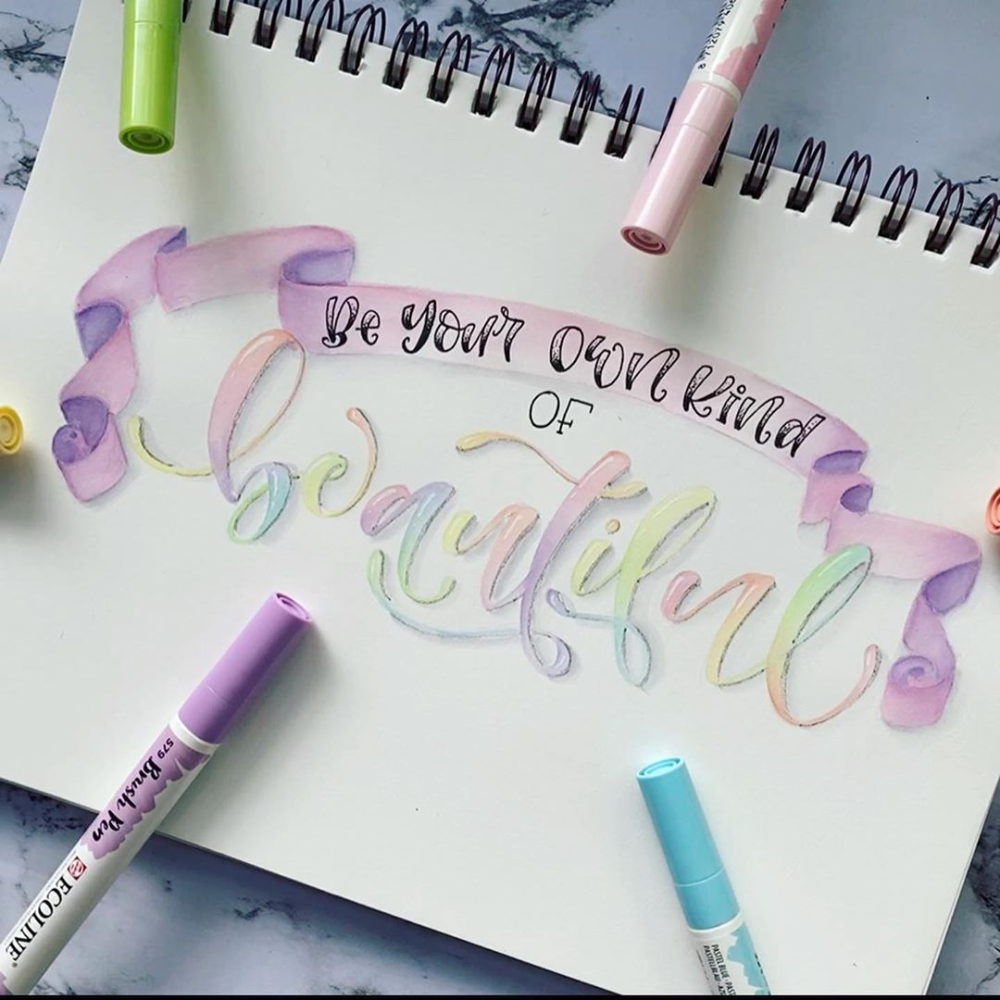
In conclusion, incorporating watercolor into your calligraphy practice can enhance both the visual appeal and emotional resonance of your work. By understanding the materials, exploring different techniques, and troubleshooting common issues, you are poised to create captivating pieces that showcase your unique style. Embrace the journey of watercolor calligraphy, and let your creativity flow freely as you craft beautiful, personalized art that speaks to the heart.