Mindful journaling serves as a therapeutic practice that encourages self-reflection and emotional clarity. By infusing calligraphy into this process, individuals can not only enhance their journaling experience but also cultivate a deeper sense of mindfulness. The elegant strokes and decorative designs of calligraphy transform simple words into art, promoting relaxation and focus while allowing the mind to wander and explore its thoughts freely.
This exploration will guide you through the intersection of calligraphy and mindfulness, providing insights into the basic techniques of calligraphy, tips for creating personalized journal pages, and resources to further your journey in this rewarding practice.
Introduction to Mindful Journaling
Mindful journaling is a reflective writing practice that encourages individuals to be present in the moment while expressing their thoughts and feelings on paper. It emphasizes awareness, self-exploration, and emotional clarity, making it an essential part of daily life for those seeking personal growth and mental well-being. By engaging in this practice, individuals can cultivate a deeper understanding of their emotions and experiences, leading to a more fulfilling life.Incorporating calligraphy into mindful journaling can significantly enhance the experience, as the art of beautifully crafting letters encourages focus and intentionality.
Calligraphy transforms the act of writing into a meditative practice, allowing individuals to immerse themselves fully in the process. This combination not only fosters creativity but also provides a sense of calm and relaxation, which is vital in today’s fast-paced world.
Benefits of Mindful Journaling
Engaging in mindful journaling offers numerous benefits that can positively impact mental health and overall well-being. Below are key advantages that emphasize its importance:
- Enhanced Mental Clarity: Writing in a mindful manner helps organize thoughts and emotions, providing clarity that can lead to improved decision-making and problem-solving skills.
- Stress Reduction: The act of journaling serves as an emotional outlet, allowing individuals to release pent-up feelings and reduce anxiety levels.
- Promotes Self-Reflection: Regularly engaging in this practice encourages self-exploration, aiding in identifying patterns in behavior and thought processes.
- Increased Creativity: Mindful journaling cultivates a creative mindset, allowing for new ideas to flourish as individuals experiment with their writing style and expression through calligraphy.
- Emotional Healing: This practice provides a safe space to confront and process emotions, facilitating healing and personal growth.
“Mindful journaling is not just a practice; it is a pathway to understanding oneself and finding peace within.”
Real-life examples illustrate these benefits effectively. For instance, individuals who have maintained a daily mindful journaling practice often report significant reductions in stress levels. A study conducted by the University of California found that participants who wrote about their emotions experienced lower blood pressure and improved immune function. Furthermore, artists and writers frequently turn to mindful journaling as a way to overcome creative blocks, finding that the rhythm of calligraphy encourages fluidity in their thoughts and ideas.
Understanding Calligraphy Basics

Calligraphy is an art form that combines beauty with functionality, making it a perfect medium for mindful journaling. It encourages focus and creativity, allowing individuals to express their thoughts and emotions eloquently. By understanding the basics of calligraphy, one can enhance their journaling practice, making it not only a record of thoughts but also a visual pleasure.The world of calligraphy encompasses various styles that cater to different preferences and purposes.
Each style offers unique characteristics and can significantly influence the aesthetic of your journaling. Furthermore, having the right tools and mastering a few essential techniques are vital to achieving beautiful calligraphy.
Styles of Calligraphy Suitable for Journaling
There are several popular styles of calligraphy that can be effectively employed in journaling. Each style has its own distinct look and feel, allowing for personalization in one’s writing.
- Italic: Known for its slanted and flowing letters, Italic calligraphy is elegant and easy to learn, making it a popular choice for beginners.
- Modern Calligraphy: This style is more freeform and expressive, allowing writers to blend traditional techniques with personal flair, perfect for creative journaling.
- Blackletter: Characterized by its dense and dramatic strokes, Blackletter creates a historical feel, suitable for themed journals.
- Copperplate: This formal script is characterized by its looped ascenders and descenders, often used for invitations but can also add sophistication to journals.
- Brush Lettering: Using a brush pen, this style allows for fluid strokes and a more relaxed approach, making it enjoyable for expressive writing.
Essential Tools Needed for Calligraphy
Having the right tools is crucial for achieving the desired results in calligraphy. Here is a list of essential tools needed to get started:
- Calligraphy Pens: These can include dip pens, fountain pens, or brush pens, each offering unique experiences and outcomes.
- Ink: Quality ink is essential; choose between bottled ink for dip pens or cartridges for fountain pens, ensuring compatibility.
- Paper: Opt for smooth, bleed-proof paper to prevent ink from feathering, which can ruin your work. Specialty calligraphy paper is often recommended.
- Ruler: A ruler is helpful for drawing guidelines to keep your lettering uniform and organized.
- Pencil: Using a pencil for initial sketches allows for corrections before committing to ink.
Basic Techniques and Strokes Used in Calligraphy
Mastering basic techniques and strokes is essential for creating beautiful calligraphy. Understanding the foundational strokes will enable you to develop your unique style and improve your skills.The following are fundamental strokes that form the basis of most calligraphic styles:
- Upstrokes: Thin and light strokes made when moving the pen upward, using minimal pressure.
- Downstrokes: Thick and bold strokes created by applying more pressure as you move the pen downward.
- Ovals: Practice creating oval shapes, as they are vital for many letters and help build fluidity.
- Loops: Incorporate loops in ascenders and descenders to add flair and character to your letters.
- Shading: Learn to add shading to your letters, typically on the downstrokes, to enhance the visual appeal.
“The beauty of calligraphy lies not only in the letters themselves but in the mindfulness it cultivates while writing.”
Integrating Calligraphy into Journaling
Integrating calligraphy into journaling not only enhances the visual appeal of your entries but also promotes mindfulness and creativity. The fluid movements of calligraphy can transform simple words into art, encouraging deeper engagement with your thoughts and feelings. By blending beautiful lettering with your personal reflections, you can create a unique journaling experience that is both therapeutic and aesthetically pleasing.
Combining calligraphy with journal entries can be approached in several ways, whether you are aiming to highlight specific quotes, emphasize key thoughts, or simply add an artistic flair to your pages. Here are some effective methods for incorporating calligraphy into your journaling practice.
Methods for Combining Calligraphy with Journal Entries
The following methods facilitate a seamless integration of calligraphy into your journaling:
- Highlighting Quotes: Use calligraphy to render significant quotes from your entries. This not only draws attention to important concepts but also creates a focal point on the page.
- Decorative Headers: Begin each journal entry with a beautifully scripted header. This sets a tone for the entry and adds a personal touch.
- Emphasizing s: Identify key themes or words within your writing and express them in calligraphy. This technique visually separates critical thoughts from the rest of the text.
- Illustrated Pages: Combine illustrations with calligraphy to create themed pages that reflect your emotions or experiences, such as a page dedicated to gratitude or aspirations.
Step-by-Step Guide for Designing an Illustrated Quote Page
Designing an illustrated quote page can be a rewarding way to practice calligraphy while reflecting on meaningful phrases. Follow these steps to create your own illustrated quote page:
- Select a Quote: Choose a quote that resonates with you. It could be from a favorite book, a personal mantra, or a saying that inspires you.
- Sketch a Layout: Lightly sketch the layout of the page. Determine where the quote will be placed and the surrounding illustrations that will complement it.
- Draft the Calligraphy: Using a pencil, draft the calligraphy of the quote. Experiment with different styles until you find one that you love.
- Incorporate Illustrations: Draw illustrations that relate to the quote. This could include decorative flourishes, imagery inspired by the quote itself, or patterns that create a harmonious background.
- Finalize with Ink: Once satisfied with your layout, trace over your pencil sketches with ink. Allow the ink to dry thoroughly before erasing any pencil marks.
- Add Color: Consider adding color to your illustrations or lettering to enhance the overall aesthetic of the page. Watercolors or colored pencils work beautifully for this.
Comparison of Various Calligraphy Styles and Their Visual Impacts on Journaling
Understanding the different calligraphy styles available can help you choose the best one to suit your journaling needs. The following table compares various popular calligraphy styles and their visual impacts:
| Calligraphy Style | Description | Visual Impact |
|---|---|---|
| Italic | A cursive style characterized by slanted letters. | Elegant and flowing, perfect for quotes and headers. |
| Gothic | A bold, angular style with elaborate serifs. | Dramatic and historical, suitable for impactful statements. |
| Modern | A contemporary style that combines varying thickness in strokes. | Casual and trendy, great for personal reflections. |
| Brush Script | A style that mimics brush lettering with soft curves. | Playful and artistic, ideal for whimsical entries. |
| Uncial | A rounded, classical style often used in ancient manuscripts. | Classic and serene, perfect for profound thoughts. |
Creating a Calligraphy Mindful Journal
Creating a mindful journal that incorporates calligraphy elements allows individuals to engage with their thoughts more deeply and artistically. This combination not only enhances the visual appeal of the journal but also encourages a meditative approach to writing and reflecting. By thoughtfully designing the layout and incorporating themed pages, one can transform a simple journal into a beautiful keepsake that captures one’s mindfulness journey.Designing a layout plan is essential for maximizing the effectiveness and enjoyment of a mindful journal.
A well-structured layout helps organize thoughts and promotes a focused practice. Here are key elements to consider when designing themed journal pages:
Layout Plan for Themed Journal Pages
The layout of a calligraphy mindful journal should encourage creativity while maintaining a sense of tranquility. Consider the following components to create an inviting and functional space:
- Cover Page: Use an elegant calligraphy piece with a title that reflects the journal’s theme, such as “Gratitude” or “Reflections.” This sets a positive tone for the entries that follow.
- Table of Contents: Create a list of themes or sections within the journal, beautifully penned in calligraphy, allowing for organized navigation.
- Themed Pages: Dedicate individual pages to specific themes; for example, a page for “Daily Affirmations” can feature inspiring quotes in calligraphy, accompanied by decorative elements.
- Illustrated Borders: Incorporate calligraphy flourishes and illustrations around the edges of each page to create a cohesive and visually appealing design.
- Color Schemes: Choose a calming color palette that complements the calligraphy style, enhancing the overall aesthetic of the journal.
Creating themed journal pages requires thoughtful consideration of the subject matter and the intended emotional impact. Each theme can evoke specific feelings and invite deeper reflection. Below are suggestions for creating themed pages using calligraphy:
Themed Page Creation
Themed journal pages can serve as prompts for reflection and creativity. Here are examples of popular themes and how to execute them using calligraphy:
- Gratitude: Design a page filled with statements of gratitude written in flowing calligraphy, surrounded by small illustrations of nature, such as leaves or flowers.
- Mindfulness Practices: Create a page that Artikels various mindfulness exercises, using varying styles of calligraphy to distinguish between different practices.
- Inspirational Quotes: Dedicate a page to your favorite quotes, beautifully rendered in calligraphy with embellishments like stars or swirls to enhance their visual impact.
- Personal Reflections: Reserve space for free writing or journaling on life events or feelings, using calligraphy headings to prompt different sections, such as “Today’s Lessons” or “Memorable Moments.”
Incorporating quotes into your mindful journal can provide inspiration and motivation. Below is a blockquote that can be beautifully illustrated with calligraphy:
“The mind is everything. What you think, you become.” – Buddha
This quote can be artistically rendered in an ornate calligraphy style, accentuated with mindful doodles or relevant imagery, serving as a powerful reminder of the strength of positive thinking. By combining these elements, your calligraphy mindful journal becomes not just a collection of thoughts but a cherished reflection of your personal growth and mindfulness journey.
Techniques for Enhancing Mindfulness
Practicing mindfulness through calligraphy can significantly deepen the experience of journaling. It allows individuals to engage more fully with each moment through the focused act of writing. By integrating specific techniques, practitioners can cultivate a heightened sense of awareness that enhances both their creativity and their emotional well-being.One effective way to enhance mindfulness during calligraphy practice is through various exercises that center the mind and body.
These exercises not only improve the quality of the writing but also keep the practitioner grounded in the present moment.
Exercises that Promote Mindfulness While Practicing Calligraphy
Engaging in specific exercises can deepen the meditative quality of calligraphy. These exercises are designed to foster concentration and an awareness of the present. Incorporating them into your routine can transform the writing process into a mindful practice:
- Breath Awareness: Before beginning your calligraphy session, take a few moments to focus on your breath. Inhale deeply through your nose, hold for a moment, and exhale slowly through your mouth. Repeat this process several times to calm your mind and prepare for writing.
- Body Scan: As you sit down to write, take a moment to mentally scan your body from head to toe. Notice any tension or discomfort and consciously relax those areas. This practice grounds you in your physical presence, enhancing focus.
- Focused Attention: Choose a single letter or word to practice repeatedly. Concentrate on the formation of each stroke, allowing yourself to be fully immersed in this singular task. This can help in silencing distractions and fostering a sense of peace.
Strategies for Engaging the Senses During Journaling with Calligraphy
Engaging the senses is a powerful way to enhance mindfulness. By incorporating sensory experiences into your calligraphy practice, you can create a richer journaling experience. Here are several strategies to consider:
- Visual Elements: Use a variety of ink colors and paper textures. The visual diversity can stimulate creativity and keep the mind engaged.
- Sound Awareness: Pay attention to the sounds created while writing. The scratch of the nib against the paper, the flow of ink, and even the ambient sounds around you can all enrich the experience.
- Olfactory Engagement: Experiment with scented inks or use essential oils in your writing area. The pleasant scents can evoke calming feelings and enhance the overall atmosphere of your journaling session.
- Tactile Focus: Feel the weight of your calligraphy tools and the texture of the paper as you write. Being mindful of these sensations can heighten your awareness and connection to the task at hand.
Connection Between Slow Writing Practices and Mindfulness
Slow writing practices in calligraphy closely align with mindfulness principles. The deliberate and measured pace of calligraphy encourages practitioners to focus on each movement and stroke, fostering a sense of presence that is often lost in faster forms of writing.
“Slow writing invites an exploration of the moment, encouraging reflection and deeper connection with thoughts and feelings.”
The nature of calligraphy, which emphasizes precision and artistry, provides a unique opportunity to practice mindfulness. Each stroke becomes an act of meditation, where time appears to stand still, allowing for contemplation and self-discovery. This slowness not only enhances the aesthetic quality of the writing but also allows for a deeper emotional engagement with the journaling process, resulting in a reflective practice that nourishes the mind and soul.
Personalizing Your Calligraphy Journal
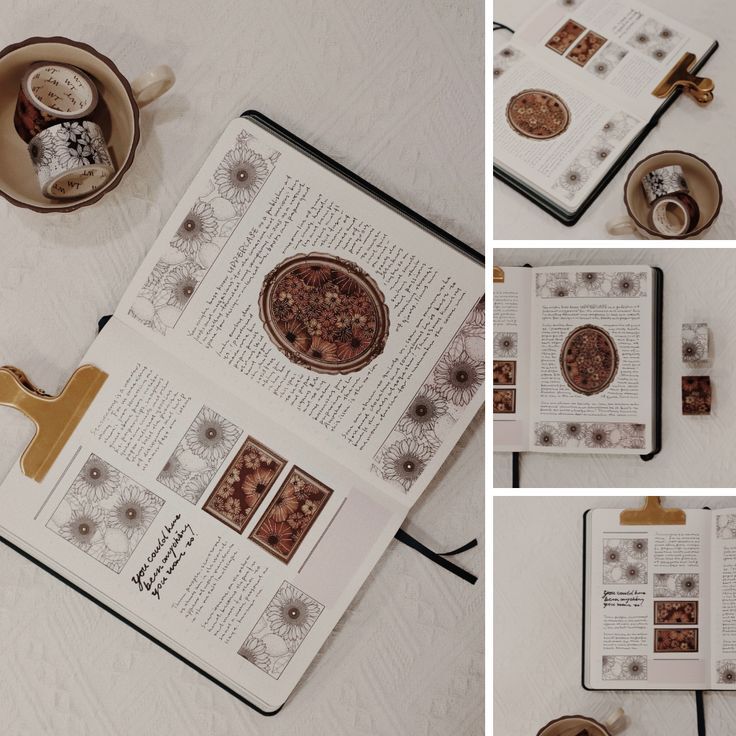
Personalizing your calligraphy journal adds a unique touch that reflects your personality and experiences. Customization not only makes your journal visually appealing but also transforms it into a cherished keepsake. By incorporating personal elements, you can enhance your mindfulness practice and create a space that truly resonates with you.To customize your journal pages effectively, consider incorporating various personal touches that can significantly enhance the overall aesthetic and emotional value.
One method is to vary the layout and design of each page to reflect different moods or themes, allowing for a dynamic journaling experience. Additionally, using different types of paper or incorporating textured elements can provide a tactile aspect that makes writing more enjoyable.
Role of Color and Embellishments
Color and embellishments play a crucial role in enhancing the visual appeal of your calligraphy journal. The choice of colors can evoke specific emotions and set the tone for your journaling experience. For instance, calming shades of blue and green may promote tranquility, while vibrant reds and yellows can energize your pages. Here are some ways to effectively integrate color and embellishments:
Incorporating Color
Utilize colored inks, markers, or watercolors to accentuate headings, quotes, or important sections in your journal. Consider creating a color palette that aligns with your personal aesthetic.
Add Decorative Elements
Stickers, washi tape, and stamps can bring life to your pages without overwhelming the calligraphy. These embellishments can be thematic, such as floral designs for spring or geometric patterns for a modern touch.
Experimenting with Backgrounds
Create gradients or watercolor washes as backgrounds for your calligraphy, allowing the ink to stand out against a beautifully colored canvas.
Common Motifs and Themes for Journaling
Exploring motifs and themes can significantly enrich your journaling experience by providing inspiration and focus. Thematic journaling can guide your thoughts and reflections, making them more cohesive. Below are some common motifs and themes to consider:
Nature
Incorporate elements related to the seasons, flora, or fauna. For example, you might include illustrations of leaves or flowers that resonate with your journaling content.
Quotes and Affirmations
Use meaningful quotes or positive affirmations as focal points in your journal, enhancing inspiration and motivation.
Personal Milestones
Document significant events in your life, such as birthdays, anniversaries, or achievements, showcasing your journey and growth.
Dreams and Aspirations
Create pages dedicated to your goals, dreams, and visions for the future, allowing you to visualize and manifest your desires.
Gratitude
Devote sections to expressing gratitude. This can be a daily practice where you highlight small blessings or achievements, reinforcing a positive mindset.By integrating these elements into your calligraphy journal, you create a personalized space that reflects your unique journey, fostering a deeper connection to your mindful journaling practice.
Resources for Calligraphy and Journaling
Engaging in calligraphy and mindful journaling is a rewarding pursuit that can be enhanced through the use of quality resources. Having access to the right tools, educational materials, and inspirational content is essential for both beginners and experienced practitioners. This section provides a curated list of resources that will aid in your exploration of calligraphy as it relates to mindful journaling.
Online Courses and Local Classes on Calligraphy
Participating in structured learning experiences can significantly enhance one’s calligraphy skills. The following online platforms and local classes offer comprehensive courses for varying skill levels. These resources provide both foundational skills and advanced techniques.
- Skillshare: Offers a variety of online classes ranging from beginner to advanced calligraphy styles, including brush lettering and modern calligraphy.
- Udemy: Features numerous courses focusing on specific styles of calligraphy, providing detailed video tutorials and practice assignments.
- Local Art Centers: Many community art centers and colleges conduct in-person classes. Check your local listings for calligraphy workshops.
- Instagram and YouTube Tutorials: Numerous calligraphy artists share free tutorials on these platforms, providing a wealth of creative inspiration and techniques.
Books and Websites for Inspiration
Books and websites dedicated to mindful journaling and calligraphy can inspire creativity and provide practical advice. The following selection includes influential titles and online sources that enrich the journaling experience.
- “The Art of Calligraphy” by David Harris: A comprehensive guide that covers various calligraphy styles, techniques, and historical contexts.
- “Writing Down the Bones” by Natalie Goldberg: Focuses on the relationship between writing and mindfulness, offering exercises that can be paired with calligraphy.
- Calligraphy.org: An online resource offering articles, tutorials, and community forums for calligraphy enthusiasts.
- Journal Junkies: A website that showcases various journaling methods, encouraging creativity and personal expression through writing.
Supplies for Calligraphy Journaling
To create beautiful calligraphy journals, having the right supplies is crucial. Below is a table outlining essential tools, their purposes, and where to purchase them.
| Supply | Description | Where to Buy |
|---|---|---|
| Calligraphy Pens | Fountain pens, brush pens, or dip pens for varying styles. | Online retailers such as Amazon, or local art supply stores. |
| Ink | Special ink for calligraphy, available in various colors and types. | Art supply stores, specialty stationery shops. |
| Paper | High-quality paper that prevents ink bleeding and allows for smooth writing. | Stationery stores, online art supply outlets. |
| Guidelines and Practice Sheets | Printable practice sheets or books to help develop skills. | Online resources, calligraphy websites. |
| Storage Solutions | Organizers for storing pens, inks, and papers. | Office supply stores, online retailers. |
Sharing Your Journey
Sharing your completed calligraphy pages and journaling experiences not only enhances personal satisfaction but also fosters a sense of community among fellow enthusiasts. Engaging with others through social media or journaling communities allows for the exchange of ideas, techniques, and inspiration, enriching your mindful journaling practice.Participating in local or online journaling groups can significantly enhance your experience by providing a supportive environment where members share their journeys and insights.
This communal aspect encourages motivation and accountability, helping you stay committed to your practice. Additionally, exposure to diverse perspectives can broaden your skills and creativity in calligraphy and journaling.
Benefits of Joining Journaling Groups
Being part of a journaling group, whether local or online, offers various advantages that can significantly enrich your mindful journaling experience. Consider the following benefits:
- Supportive Community: Connecting with others who share your interests fosters a sense of belonging and encouragement in your journaling journey.
- Shared Resources: Members can share tools, materials, and resources that can enhance your calligraphy and journaling skills.
- Learning Opportunities: Many groups offer workshops, challenges, and tutorials, allowing you to improve your techniques and discover new styles.
- Feedback and Growth: Receiving constructive feedback from peers can help you refine your skills and motivate you to push your creative boundaries.
Guidelines for Giving and Receiving Feedback
Constructive feedback is crucial for growth in calligraphy and journaling, and establishing clear guidelines can enhance this process. When engaging with others, consider the following principles:
- Be Respectful: Always approach feedback with kindness, ensuring your comments are considerate and supportive.
- Focus on Specifics: Offer detailed comments that highlight both strengths and areas for improvement, rather than vague statements.
- Encourage Dialogue: Invite the individual to discuss feedback further, facilitating an open conversation that can lead to deeper understanding.
- Be Open to Feedback: Approach receiving feedback with a positive attitude, recognizing it as an opportunity for growth and development.
“Community is the foundation of creativity; sharing your journey amplifies your learning and inspiration.”
By actively engaging in sharing your calligraphy and journaling journey, you can cultivate a rich and fulfilling practice that not only nurtures your skills but also connects you with like-minded individuals who inspire and motivate you.
Conclusion
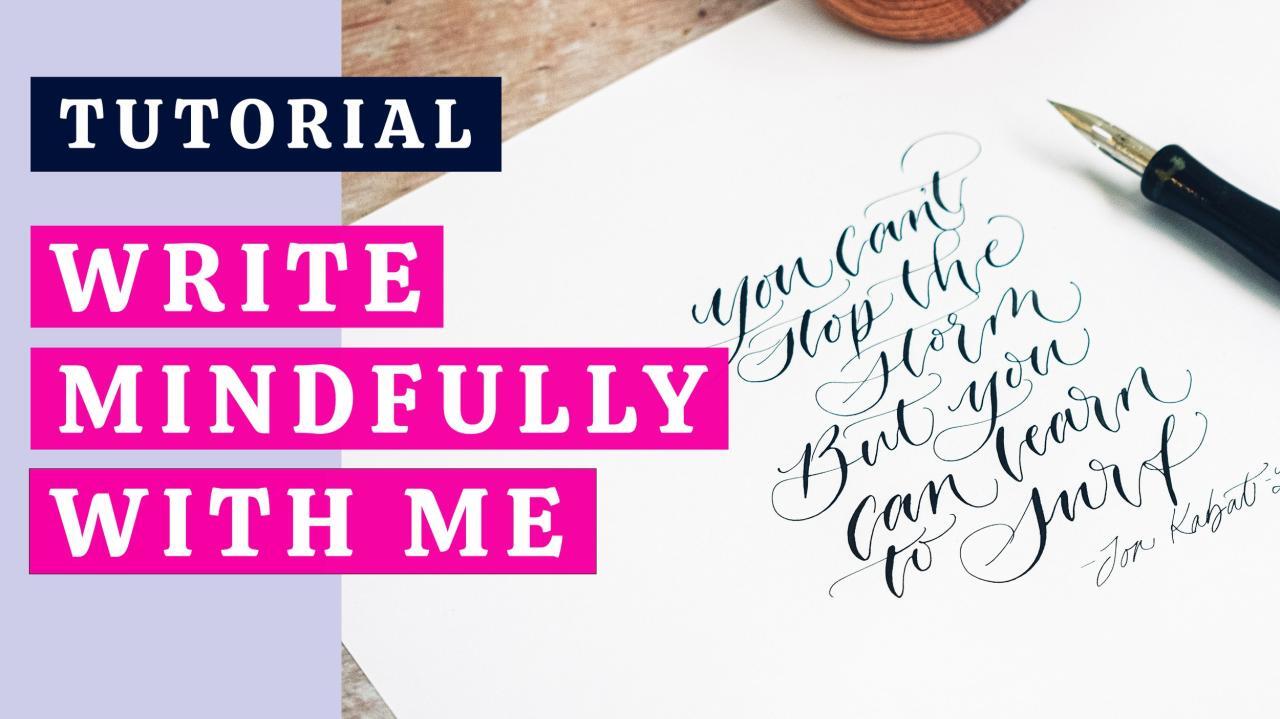
In conclusion, blending calligraphy with mindful journaling opens up new avenues for creativity and self-discovery. As you embark on this journey, remember that each stroke of the pen can serve as a reminder to embrace the present moment, allowing you to fully engage with your thoughts and feelings. Ultimately, this fusion not only beautifies your journal but also enriches your mindfulness practice, leading to greater mental clarity and emotional well-being.