How to Photograph Your Calligraphy for Social Media is an essential guide for artists seeking to share their calligraphic creations with a wider audience. Capturing the intricate details and artistic flair of calligraphy not only showcases the artist’s talent but also engages viewers on various social media platforms. This guide will delve into the fundamental principles of calligraphy, the tools and techniques for photography, and the best practices for sharing these visual masterpieces online.
From understanding the basics of calligraphy to mastering the nuances of lighting, camera settings, and composition, this piece will equip you with the knowledge needed to photograph your work beautifully. Whether you are a beginner or an experienced calligrapher, the insights shared here will enhance your ability to present your art in a captivating and professional manner.
Understanding Calligraphy
Calligraphy, often referred to as the art of beautiful writing, combines the skill of writing with artistic expression. It transcends mere text, transforming words into intricate designs that convey emotion and meaning. This art form has a rich history and remains significant in various cultures, making it a cherished practice among artists and enthusiasts alike.The basics of calligraphy involve mastering various styles and techniques that enhance the beauty of writing.
Different calligraphic styles, such as Gothic, Italic, and Copperplate, each have unique characteristics that influence their aesthetic appeal. When photographing calligraphy, understanding these styles allows for better composition and presentation, as each style can evoke different feelings and atmospheres.
Calligraphy Styles and Their Impact on Photography
The visual impact of calligraphy is largely determined by its style. Each style has distinct features that can enhance the overall photograph. Familiarity with these styles can significantly improve the artistic quality of the photographs taken. The following styles are commonly recognized in the realm of calligraphy:
- Gothic: Known for its dramatic and elaborate letters, Gothic calligraphy features thick and thin strokes that create a striking contrast. Photographs of this style benefit from dramatic lighting to enhance its bold features.
- Italic: Characterized by its slanted letters, Italic calligraphy is elegant and fluid. Soft, natural lighting can accentuate the graceful curves in photographs, allowing the letters to appear more dynamic.
- Modern Script: This style embraces creativity and personal expression, often combining various elements. Capturing this style effectively involves focusing on the unique flourishes and individual touches each artist brings, making use of close-up shots.
- Copperplate: With its delicate and flowing nature, Copperplate calligraphy requires a gentle touch. Lighting that softens shadows can amplify its delicate qualities in photographs, creating an ethereal effect.
The materials used in calligraphy also play a crucial role in its visual impact. The choice of paper, ink, and nibs can significantly affect the final appearance of the work.
Materials Used in Calligraphy and Their Visual Impact
Understanding the materials involved is essential to appreciating calligraphy and enhancing photography. The interplay between different materials can create varied textures and visual effects.The primary materials utilized in calligraphy include:
- Paper: The choice of paper can affect the ink’s absorption and overall presentation. Textured or handmade papers can introduce interesting patterns and depth to the photograph.
- Inks: Various inks, such as gouache, acrylic, or traditional ink, can provide different finishes, from matte to glossy. The sheen of the ink can change how light interacts with the calligraphy in photographs.
- Nibs: Different nibs produce varying line thicknesses and styles. The choice of nib can influence the level of detail in the work and how that detail is captured in photographs.
When photographing calligraphy, it is imperative to consider these materials as they contribute to the depth and richness of the image. The mix of textures, colors, and styles creates a compelling visual narrative, allowing viewers to engage with the artwork more profoundly.
Preparing for Photography
Creating visually appealing photographs of calligraphy involves careful preparation and the use of specific tools. To ensure that your artwork is presented in the best light possible, it is crucial to identify the necessary equipment, select an appropriate workspace, and prepare the calligraphy piece meticulously before capturing images.
Essential Tools Required for Photographing Calligraphy
Having the right tools is paramount for achieving high-quality photographs of your calligraphy. Essential items include:
- Camera: A DSLR or mirrorless camera is ideal, but a smartphone with a good camera can also suffice for social media.
- Tripod: A tripod is essential for stability, preventing blurriness caused by hand movement.
- Lighting: Natural light is preferred, but softbox lights can help in low-light situations to ensure even illumination.
- Reflector: A white or silver reflector can bounce light onto the calligraphy, minimizing shadows and enhancing visibility.
- Editing Software: Software such as Adobe Lightroom or Photoshop can aid in post-processing to enhance the final images.
Selecting a Suitable Workspace for Capturing Images
The choice of workspace significantly impacts the quality of your photographs. An ideal workspace should have adequate lighting, space for setup, and minimal distractions. Consider the following aspects when selecting your workspace:
- Natural Light: A space with abundant natural light is preferable. Position your calligraphy piece near a window to capitalize on soft, diffused lighting.
- Background: Use a clean, uncluttered background. Neutral colors such as white, gray, or black keep the focus on the artwork.
- Space: Ensure there is enough room to position your camera at various angles to find the most flattering perspective.
- Temperature and Humidity: Maintain a stable environment; extreme changes can affect the medium used in calligraphy, especially if it is still drying.
Cleaning and Setting Up the Calligraphy Piece
Preparing the calligraphy piece is essential for achieving professional-looking photographs. A clean and well-presented piece enhances visual appeal. Follow these tips to ensure your artwork is ready for photography:
- Dusting: Carefully remove any dust or debris using a soft brush or a microfiber cloth to avoid scratches.
- Flattening: If the page is curled, gently flatten it under a heavy book or use an iron on a low setting, placing a cloth between the calligraphy and the iron.
- Framing: A simple frame or mat can enhance the presentation, providing a polished look and preventing damage during photography.
- Final Check: Review the piece for any smudges or imperfections that may have occurred during the writing process, and clean them up if necessary.
“An art piece is best expressed when presented in its finest form.”
Lighting Techniques
Proper lighting is crucial for effectively photographing calligraphy, as it significantly influences the final image quality. Natural light offers a soft, diffused illumination that beautifully captures the intricate details of calligraphy, while artificial light can provide versatility and control in various conditions. Understanding how to harness these lighting types can elevate the presentation of your work for social media.
Positioning your lighting sources correctly enhances the visibility of the calligraphy’s details and reduces harsh shadows that may obscure the text. When using natural light, it is advisable to place your calligraphy near a window with ample light, ensuring that the sun is not directly shining on the piece to avoid glare. In contrast, if using artificial lighting, consider using softboxes or diffusers to create an even light distribution, which helps reveal the beauty of the strokes and flourishes.
Lighting Setups and Their Effects
Selecting the right lighting setup is essential for achieving the desired look in calligraphy photography. Below is a table outlining various lighting setups, their descriptions, and the resulting effects on your calligraphy imagery:
| Lighting Setup | Description | Effect on Calligraphy |
|---|---|---|
| Natural Light | Utilizes sunlight near a window. | Soft, natural shadows; enhances color and texture; ideal for organic feel. |
| Softbox Lighting | Soft light source that diffuses light evenly. | Minimizes harsh shadows; provides balanced exposure; highlights details. |
| Backlighting | Light is positioned behind the calligraphy. | Creates a glowing effect; emphasizes transparency; can add drama. |
| Side Lighting | Light is directed from one side. | Enhances texture; creates depth; highlights dimensional aspects. |
| Overhead Lighting | Light shines directly from above. | Flat illumination; may reduce depth; useful for even exposure on flat surfaces. |
Camera Settings and Techniques
When photographing calligraphy, the camera settings you choose play a crucial role in achieving high-quality images that showcase the intricate details of your work. Properly configured settings can enhance clarity, color accuracy, and overall presentation. Understanding how to adjust these settings will help you capture the essence of your calligraphy art effectively.A well-considered approach to camera settings includes adjusting factors such as aperture, shutter speed, and ISO to suit your environment and desired effect.
The following adjustments are recommended for optimal results:
Optimal Camera Settings
To ensure your calligraphy photographs are sharp and vibrant, consider the following camera settings:
Aperture (f-stop)
Use a wide aperture (e.g., f/2.8 to f/4) to create a shallow depth of field, which beautifully isolates your calligraphy from the background. For a greater depth of field, especially with larger pieces, consider using an aperture of f/8 or higher.
Shutter Speed
A shutter speed of at least 1/60s is recommended to avoid camera shake. For static subjects, a slower shutter speed can be used, but ensure the camera is stable on a tripod.
ISO Settings
Set your ISO as low as possible (e.g., ISO 100 or 200) for the clearest image, especially in well-lit environments. If lighting is poor, increase the ISO gradually, but be wary of introducing noise.
Achieving Focus and Depth of Field
For capturing sharp focus and enhancing depth of field in your images, utilize the following techniques:
Manual Focus
Rely on manual focus rather than autofocus to precisely control which part of the calligraphy is sharp. Zoom in to confirm clarity.
Focus Stacking
Use a technique called focus stacking when photographing larger pieces of calligraphy. Take multiple shots at different focus points and combine them in post-processing to achieve a greater depth of field.
Tripod Usage
Using a sturdy tripod helps eliminate camera shake, ensuring sharper images, especially in lower light conditions or when using slower shutter speeds.
Techniques for Capturing Textures and Details
To highlight the textures and intricate details of your calligraphy, consider the following techniques:
Close-Up Shots
Get close to your calligraphy piece to capture fine details such as brush strokes, ink flow, and paper texture. Use a macro lens if available.
Side Lighting
Employ side lighting to cast shadows that accentuate the textures of the ink and paper. This technique adds dimensionality and visual interest to your images.
Reflectors and Diffusers
Utilize reflectors to bounce light onto your calligraphy and diffusers to soften harsh light, preventing glare and ensuring even illumination.
Background Selection
Choose backgrounds that complement but do not distract from your calligraphy. Consider using neutral or contrasting colors that enhance visibility and texture.
Experiment with Angles
Capture your calligraphy from various angles. Sometimes, a slight tilt can unveil intricate details that might not be visible from a straight-on view.By applying these settings and techniques, you can significantly enhance the quality of your calligraphy photographs, making them stand out on social media and celebrating your artistry.
Composition and Framing
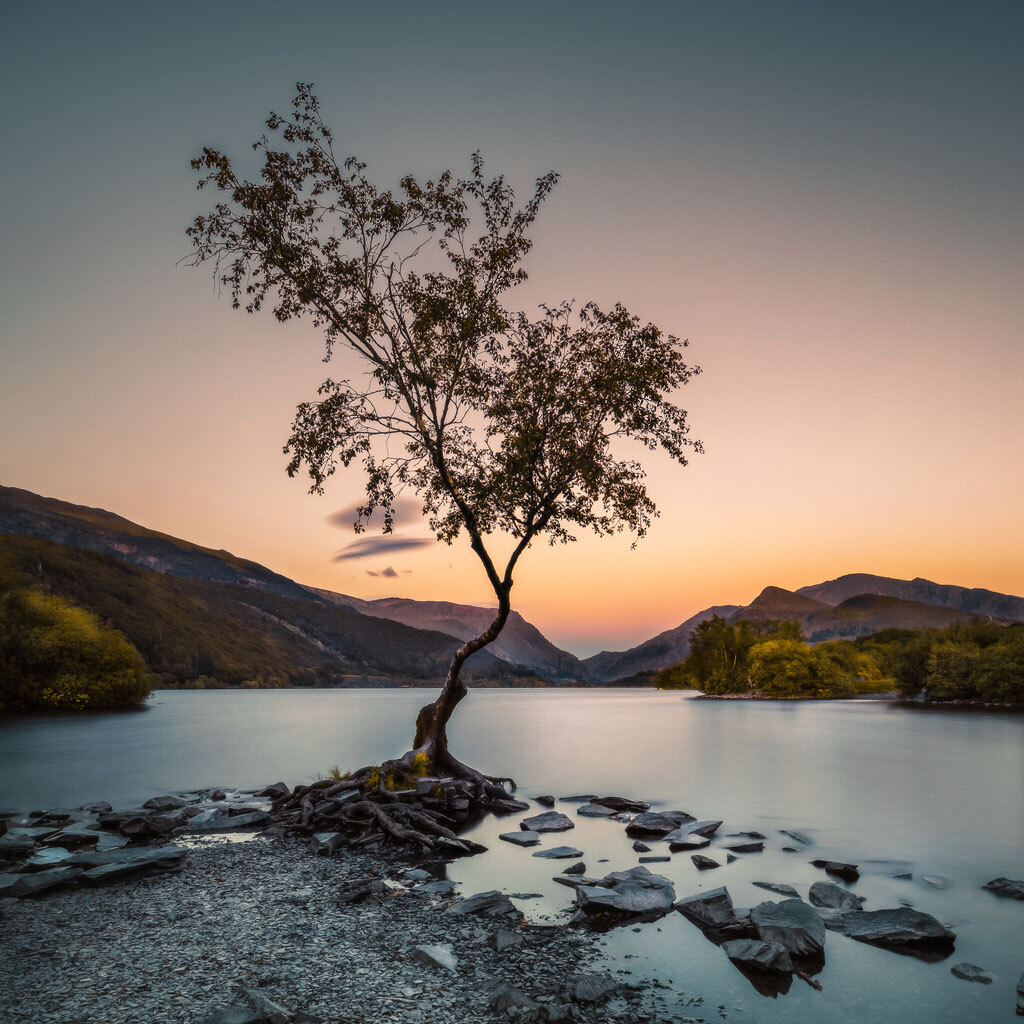
Effective composition and framing are essential components in achieving stunning photographs of your calligraphy. These elements can significantly enhance the visual appeal and convey the intended message of your work. Understanding how to arrange your calligraphy art within the frame allows you to highlight its beauty and intricacies, making it more engaging for viewers on social media platforms.In the realm of photography, composition refers to the arrangement of visual elements within a frame.
Several compositional techniques can elevate your calligraphy photography. Key principles such as balance, symmetry, and the use of negative space can greatly influence how your artwork is perceived. By thoughtfully considering how to frame your calligraphy, you create not just a photograph, but a compelling visual story that draws in your audience.
Framing Techniques for Calligraphy Photography
When it comes to framing your calligraphy art, it’s important to think about how to direct the viewer’s eye and create a sense of harmony within the image. Here are some beneficial framing techniques to consider:
- Rule of Thirds: Divide your frame into a 3×3 grid, placing points of interest along the lines or at their intersections. This technique often leads to a more balanced composition.
- Center Framing: Position the calligraphy piece in the center of the frame for a bold and straightforward presentation, emphasizing the artwork itself.
- Negative Space: Leave ample empty space around the calligraphy to enhance focus on the text. This can evoke emotion and give context to the piece.
- Leading Lines: Use natural lines or elements in the background to guide the viewer’s eye toward the calligraphy, creating a journey through the image.
- Framing within the Frame: Utilize elements in your surroundings to create a natural frame around your calligraphy, such as an archway or a window, adding depth to the photograph.
In addition to these techniques, understanding different composition styles can help you choose the best approach for your artwork. The following table compares various composition styles that can be utilized in calligraphy photography:
| Composition Style | Description | Best Use Case |
|---|---|---|
| Rule of Thirds | Divides the frame into nine equal parts, focusing on intersections for key elements. | Ideal for dynamic images with multiple focal points. |
| Center Framing | Places the subject directly in the middle for a strong, clear presentation. | Effective for minimalist designs that require emphasis on the calligraphy. |
| Negative Space | Utilizes empty space around the subject to create a sense of openness and focus. | Best for highlighting intricate details in the calligraphy. |
| Leading Lines | Incorporates lines that draw the viewer’s eye toward the focal point. | Useful in creating a narrative flow within the composition. |
| Framing within the Frame | Uses foreground elements to frame the subject, adding depth. | Great for outdoor settings or intimate indoor scenes. |
By applying these compositional techniques and understanding how to frame your calligraphy, you can significantly enhance the visual storytelling of your photographs, making your art more captivating and shareable on social media platforms.
Editing and Post-Processing

Editing and post-processing are essential steps in presenting your calligraphy photographs effectively on social media. By enhancing the images, you can attract more viewers and showcase your work in its best light. This segment delves into the various editing software options available, common adjustments you may undertake, and the importance of preserving the authenticity of your calligraphy during the editing process.
Editing Software Options
Selecting the appropriate editing software is vital for optimizing the quality of your calligraphy photographs. Various tools cater to different needs, from basic adjustments to advanced enhancements. Below are some popular options:
- Adobe Photoshop: A professional-grade editing software offering comprehensive tools for detailed adjustments, retouching, and filtering.
- Adobe Lightroom: Ideal for batch processing and organizing photographs, providing user-friendly tools that enhance color and clarity.
- GIMP: A free and open-source alternative to Photoshop, suitable for users seeking powerful editing capabilities without a financial investment.
- Canva: An accessible online platform that allows easy editing and design creation, suitable for social media graphics.
Common Adjustments in Post-Processing
Post-processing involves several standard adjustments that can significantly enhance the visual appeal of your calligraphy photographs. These adjustments are crucial for ensuring that your artwork is showcased to its full potential. Common adjustments include:
- Contrast: Increasing contrast can help your calligraphy stand out against the background, making the strokes more defined.
- Brightness: Adjusting brightness ensures the calligraphy is well-lit without losing details or making the image appear washed out.
- Saturation: Modifying saturation can enrich the colors in your photograph, enhancing the vibrancy of the ink used in your calligraphy.
- Sharpening: Applying sharpening filters can enhance the details of the lettering, making the calligraphy appear crisper and more precise.
Maintaining Integrity of Calligraphy
While editing is essential for improving the visual presentation of your calligraphy photographs, it is equally important to maintain the integrity of the artwork. Excessive editing can distort the original style and intent of your work. Here are some guidelines to uphold the authenticity of your calligraphy during post-processing:
- Subtle Enhancements: Aim for subtle adjustments that enhance visibility without altering the essence of the calligraphy.
- Original Scan Quality: Start with high-resolution scans or photographs to minimize the need for drastic edits, thus preserving the details.
- Color Fidelity: Ensure that any adjustments to color do not misrepresent the actual ink or paper used, as this can mislead viewers.
- Limit Filters: Avoid using heavy filters that may obscure or distort the unique features and characteristics of your calligraphy.
Sharing on Social Media
In the digital age, sharing your calligraphy work on social media is crucial for gaining visibility and connecting with a wider audience. Effective presentation goes beyond just showcasing your artwork; it encompasses the art of storytelling through captions, strategic use of hashtags, and engaging with followers. These elements work together to enhance your profile and attract more viewers to your work.Creating engaging captions is an essential component of sharing your calligraphy on social media.
A well-crafted caption not only provides context but also invites interaction from your audience. Captions can include personal anecdotes about the piece, reflections on the calligraphy process, or questions to encourage comments. Furthermore, integrating relevant s can enhance discoverability.
Strategies for Captions and Hashtags
To maximize the impact of your posts, consider the following strategies for crafting effective captions and using hashtags:
Engaging Captions
Share the story behind your work; what inspired the piece?
Include a personal touch or insight into your creative process.
Ask open-ended questions to encourage followers to share their thoughts or experiences.
Incorporate quotes or sayings that resonate with the theme of your calligraphy work.
Best Practices for Hashtags
Use a mix of popular and niche hashtags to reach a broader audience while still targeting specific communities.
Research trending hashtags relevant to calligraphy and art, and include them in your posts.
Limit the number of hashtags to avoid clutter; typically, 5 to 10 well-chosen hashtags are effective.
Tag relevant accounts, such as calligraphy groups or fellow artists, to increase engagement and visibility.
To effectively showcase your calligraphy, it’s important to choose the right platform. Each social media platform offers unique opportunities for reaching different audiences. Below is a list of ideal platforms for sharing calligraphy work:
- Instagram: A visually-driven platform perfect for showcasing stunning images of your calligraphy.
- Pinterest: Ideal for sharing and discovering calligraphy inspiration, allowing you to reach users seeking creative ideas.
- Facebook: Offers community-building opportunities through groups and pages dedicated to art and calligraphy.
- Behance: A platform for creative professionals, great for showcasing portfolios and connecting with other artists.
- TikTok: Allows you to share short, engaging videos of your calligraphy process, appealing to a younger audience.
Utilizing these strategies and platforms effectively can significantly enhance your presence in the calligraphy community and draw more attention to your beautifully crafted work.
Conclusion
In conclusion, photographing your calligraphy for social media involves more than just pointing and shooting; it requires an understanding of the art form and the techniques that elevate its presentation. By implementing the strategies discussed, you will be able to create stunning images that not only reflect your skill but also attract and engage an audience. Embrace these practices, and let your calligraphic art shine across social media platforms, gaining the recognition it truly deserves.