How to Overcome a Creative Block in Calligraphy presents an insightful exploration into the challenges artists face when creativity wanes. This phenomenon, often termed a “creative block,” can significantly hinder a calligrapher’s ability to express their art, leading to frustration and self-doubt. Understanding the psychological and environmental factors contributing to this block is essential for artists seeking to reignite their passion and inspiration in calligraphy.
In this discussion, we will delve into effective techniques that can help overcome creative stagnation, as well as the importance of both external and internal sources of inspiration. From creating a conducive workspace to practicing mindfulness, each strategy is designed to empower calligraphers to break free from their creative constraints and flourish in their artistry once again.
Understanding Creative Block in Calligraphy
Creative block is a phenomenon that many calligraphers encounter at some point in their artistic journey. It can manifest as an inability to produce work, leading to frustration and self-doubt. Understanding the intricacies of creative block is essential for artists who wish to continue their growth and expression in calligraphy. Recognizing this issue allows individuals to address it constructively, ultimately enabling them to rediscover their passion for their craft.Creative block can significantly impact a calligrapher’s ability to create, often resulting in a loss of inspiration and productivity.
This stagnation is not just a temporary lapse; it can lead to prolonged periods of inactivity, where the artist feels disconnected from their creativity. The psychological implications can be profound, affecting not only the quality of their work but also their self-esteem and motivation.
Signs of Creative Block in Calligraphers
Identifying the signs of creative block is crucial for artists to navigate their challenges effectively. Common indicators may include:
- Inability to start new projects or complete existing ones.
- Frequent feelings of frustration or self-doubt regarding artistic skills.
- Consistent avoidance of calligraphy practice or materials.
- Loss of enjoyment or passion for calligraphy that once brought joy.
- Repetitive thoughts of inadequacy or fear of judgment from others.
Recognizing these symptoms early can help artists take proactive measures to reignite their creative spirit.
Psychological Factors Contributing to Creative Block
Several psychological factors contribute to creative block in calligraphy. Understanding these elements can provide insights into overcoming challenges. Key factors include:
-
Perfectionism can stifle creativity, leading artists to avoid starting projects for fear of not meeting their own high standards.
- Stress and anxiety can create mental barriers, making it difficult for artists to focus and express themselves freely.
- Lack of confidence in one’s abilities can result in negative self-talk, further exacerbating feelings of inadequacy.
- External pressures, such as deadlines or expectations from clients, can create a sense of urgency that hinders creative flow.
- Isolation from the artistic community may lead to feelings of disconnection, which can diminish motivation and inspiration.
Understanding these psychological factors is pivotal for calligraphers seeking to overcome creative blocks. By addressing these issues, artists can develop strategies to restore their creativity and maintain a fulfilling artistic practice.
Techniques to Overcome Creative Block
Creative block is a challenge that many calligraphers face, leading to frustration and stifled creativity. However, there are effective techniques that can help rekindle inspiration and enhance the flow of artistic expression. By employing a variety of methods, calligraphers can navigate through these blocks and rediscover their passion for the art form.
Effective Techniques
Utilizing specific techniques can provide immediate relief from creative block in calligraphy. Below are several methods that can help stimulate one’s creativity:
- Change Your Environment: A different setting can spark new ideas. Consider working in a park, a café, or a well-lit room with fresh decor.
- Practice Mindfulness: Engaging in mindfulness exercises such as meditation can clear the mind, allowing for a fresh perspective and renewed focus on calligraphy.
- Experiment with New Tools: Trying out different pens, inks, or papers can inspire creativity. A new tactile experience often leads to unexpected artistic outcomes.
- Set Small Goals: Breaking down the creative process into smaller, manageable tasks can prevent overwhelm and promote a sense of accomplishment.
- Engage with Other Artists: Collaborating or simply conversing with fellow calligraphers can provide new insights and inspire fresh ideas.
Re-inspiring Creativity through Exploration
Exploration of different calligraphy styles can serve as a powerful catalyst for re-inspiring creativity. By stepping outside of one’s comfort zone and embracing various techniques, artists can uncover new elements that resonate with their personal style.
- Study Diverse Styles: Researching and practicing various calligraphic traditions, such as Gothic, Italic, or Brush Script, can introduce new techniques and approaches to your work.
- Incorporate Mixed Media: Experimentation with mixed media, such as watercolor or digital platforms, can create unique effects and broaden artistic horizons.
- Participate in Workshops: Attending workshops allows for hands-on learning and exposure to different perspectives and methods from experienced instructors.
- Analyze Historical Works: Understanding the historical context of various calligraphy styles can deepen appreciation and inspire contemporary reinterpretation.
The Importance of Taking Breaks
Taking breaks is a crucial aspect of maintaining creativity and preventing burnout. Regular intervals away from the desk can rejuvenate the mind and provide fresh perspectives.
- Physical Breaks: Engaging in physical activities, such as walking or stretching, can stimulate blood flow and refresh one’s outlook.
- Creative Breaks: Shifting focus to a different creative outlet—such as painting, writing, or crafting—can reinvigorate motivation and ideas.
- Scheduled Downtime: Allocating specific times for relaxation and personal reflection helps to recharge mental energy, making it easier to return to calligraphy with renewed enthusiasm.
“Sometimes, stepping away from the work is the best way to return with a fresh mind and new ideas.”
Finding Inspiration for Calligraphy
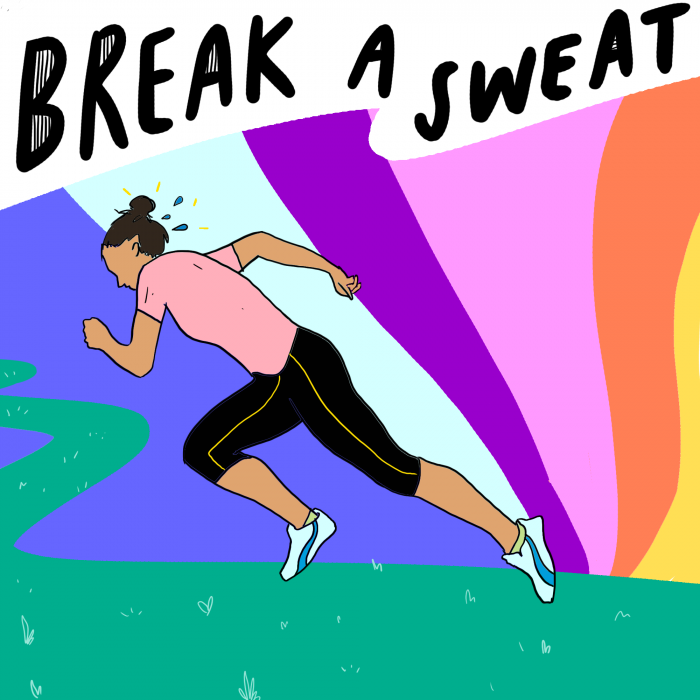
In the intricate world of calligraphy, inspiration serves as the lifeblood that fuels creativity and innovation. Every stroke of the pen is an expression of the artist’s inner thoughts and emotions, making the search for inspiration a vital part of the calligraphic journey. This section will explore various sources of inspiration, the role of the environment, and provide a reference table of renowned calligraphers that can motivate and spark creativity.The natural world offers a wealth of inspiration that can profoundly influence calligraphers.
The colors, shapes, and textures found in nature can invigorate one’s artistic vision. Observing the delicate curves of leaves, the intricate patterns of flowers, or the rhythmic flow of rivers can lead to new ideas and styles in calligraphy. Moreover, the tranquility and beauty of natural settings can foster a conducive environment for reflection and creativity, allowing the mind to wander and explore new possibilities.
Sources of Inspiration for Calligraphy
Various sources can ignite and nurture creativity in calligraphy. Below is a compilation of diverse inspirations that calligraphers can explore to enhance their artistic endeavors:
- Nature: The colors, shapes, and patterns found in flowers, leaves, and landscapes can inspire new calligraphic designs.
- Art History: Studying historical manuscripts and artworks can provide insights into different styles and techniques.
- Literature: Poetry and prose often contain beautiful phrases that can serve as perfect focal points for calligraphic practice.
- Modern Design: Exploring contemporary graphic design can introduce fresh ideas and elements to integrate into traditional calligraphy.
- Cultural Symbols: Investigating symbols and scripts from various cultures can offer unique approaches and enrich one’s repertoire.
The environment plays a crucial role in nurturing creativity. A calm and inspiring workspace can significantly impact an artist’s ability to create. Surrounding oneself with elements such as plants, art pieces, or calming colors can create an atmosphere that stimulates creativity. Taking breaks in natural settings can also refresh the mind, leading to a more productive and inspired calligraphic practice.
Famous Calligraphers and Their Unique Styles
To provide motivation and reference, the following table highlights several renowned calligraphers along with their distinctive styles. Their contributions to the art form serve as a beacon of inspiration for both novice and experienced calligraphers alike.
| Calligrapher | Unique Style |
|---|---|
| Edward Johnston | Known as the father of modern calligraphy, he created the Johnston Sans typeface and emphasized the study of letterforms. |
| Sheila Waters | Famed for her expressive use of color and innovative blending techniques in traditional calligraphy. |
| Donald Jackson | Renowned for his work on the Saint John’s Bible, incorporating a contemporary interpretation of traditional medieval styles. |
| Yasuhiko Hayashi | A master of Japanese calligraphy, known for his fluid, dynamic strokes that convey emotion and movement. |
| Janet Mehigan | Celebrated for her modern approach to traditional scripts, integrating contemporary elements into classical forms. |
By exploring these sources and understanding the unique styles of prominent calligraphers, artists can cultivate a rich well of inspiration that will enhance their creative practice and help them overcome creative blocks.
Setting Up a Creative Environment
Creating a conducive workspace is essential for nurturing creativity in calligraphy. A well-designed environment not only enhances focus but also sparks inspiration, allowing artists to express themselves fully. By considering various factors such as lighting, organization, and the tools used, calligraphers can transform their spaces into havens of creativity.One vital component of a creative workspace is adequate lighting. Natural light is ideal, as it offers a warm and inviting atmosphere.
When natural light is unavailable, artists should consider using bright, adjustable LED lights that mimic daylight. Such lighting not only reduces eye strain but also helps in accurately perceiving colors and details in the work.
Importance of Organization
An organized workspace plays a significant role in fostering creativity. Disorganization can lead to distraction and frustration, which can inhibit the creative flow. To optimize the workspace, artists should implement a systematic approach to organizing their tools and materials. Developing a neat and functional setup can include:
- Designating specific areas for different tasks, such as writing, sketching, and research.
- Utilizing storage solutions like bins, shelves, and drawers to keep materials easily accessible while maintaining a clean surface.
- Maintaining a clutter-free desk by regularly sorting through materials and discarding items that are no longer needed.
“A clean workspace is a reflection of a clear mind.”
Role of Tools in Sparking Inspiration
The tools of a calligrapher are extensions of their creativity and can significantly impact artistic output. Selecting high-quality pens, inks, and papers tailored to individual preferences can enhance the overall experience of calligraphy. Artists often share their experiences regarding the influence of their tools on their workflow and creativity. For instance, many prefer using specific brands of brush pens that offer flexibility and control, which can lead to more expressive lettering.
Additionally, experimenting with different types of paper and ink can unlock new styles and techniques.
“Your tools shape not only your art but also your passion for it.”
Experiences of Other Artists
Many established calligraphers emphasize the significance of their creative spaces and how these influence their work. For example, a renowned calligrapher shared that they converted a corner of their living room into an inspiring workspace filled with plants and art pieces. This environment not only serves as a creative sanctuary but also stimulates their imagination.Another artist highlighted the importance of auditory elements in their workspace.
They enjoy listening to soothing music or nature sounds, which helps them relax and focus. The emotional response elicited by their surroundings often translates into their work, showcasing the profound connection between environment and creativity.In summary, by thoughtfully setting up a creative environment with attention to lighting, organization, and selection of tools, calligraphers can cultivate a space that not only encourages creativity but also enhances their artistic journey.
Practicing Mindfulness and Relaxation
Creative blocks can often stem from stress, anxiety, and an overwhelmed mind. Practicing mindfulness and relaxation can significantly enhance an artist’s ability to navigate through these periods of stagnation. By incorporating these techniques into your routine, not only do you foster a more balanced state of mind, but you also create a conducive environment for creativity to flow freely. Mindfulness encourages individuals to remain present and fully engaged in the moment, allowing artists to quiet their inner critic and reduce performance anxiety.
This can lead to clearer thinking and renewed inspiration, ultimately enhancing one’s calligraphic practice.
Benefits of Mindfulness and Relaxation Techniques
Mindfulness and relaxation techniques offer numerous benefits that can be particularly advantageous for calligraphers facing creative blocks. These methods help reduce stress levels, improve focus, and enhance emotional well-being. Practicing mindfulness allows artists to develop a deeper awareness of their thoughts and feelings, which can lead to a more relaxed and open mindset.Moreover, relaxation techniques, such as deep breathing and progressive muscle relaxation, can mitigate anxiety and promote mental clarity.
The combination of both practices creates an optimal mental state for artistic expression, reducing the pressure that often accompanies the pursuit of perfection in calligraphy.
Exercises for Reducing Anxiety
Incorporating mindfulness and relaxation exercises into your daily routine can significantly alleviate anxiety. Here are several effective practices calligraphers can adopt:
1. Deep Breathing
Take a few minutes to focus on your breath. Inhale deeply through your nose, allowing your abdomen to expand, and exhale slowly through your mouth. Repeat this for five to ten cycles to calm your mind.
2. Progressive Muscle Relaxation
Gradually tense and then relax each muscle group in your body, starting from your toes and working your way up to your head. This exercise helps to release physical tension.
3. Mindful Observation
Spend a few minutes observing your surroundings. Focus on the details of a specific object, such as a calligraphy pen or a piece of paper. Write down your observations to engage fully with the present moment.
4. Meditation
Set aside a few minutes each day for meditation. Sit comfortably, close your eyes, and concentrate on your breathing or a calming mantra.
5. Nature Walks
Take a walk in nature, focusing on the sights, sounds, and smells around you. This can rejuvenate your mind and inspire your calligraphy work.
Calming Activities Before Working on Calligraphy
Engaging in calming activities prior to calligraphy practice can create a serene mindset conducive to creativity. Consider incorporating the following activities into your routine:Before you begin your calligraphy session, try one or more of the following calming activities:
Listening to Soothing Music
Create a playlist of calming music that helps you relax and focus.
Journaling
Write down your thoughts and feelings to clear your mind before you start creating.
Gentle Stretching
Perform gentle stretches to relieve tension in your body and promote relaxation.
Sipping Herbal Tea
Enjoy a cup of herbal tea, such as chamomile or lavender, which are known for their calming properties.
Engaging in Mindful Coloring
Spend some time coloring in a mandala or intricate design to help you relax and transition into your calligraphy work.By integrating mindfulness and relaxation techniques into your calligraphy practice, you can alleviate anxiety and overcome creative blocks, leading to a more fulfilling and inspired artistic journey.
Collaborating with Other Artists
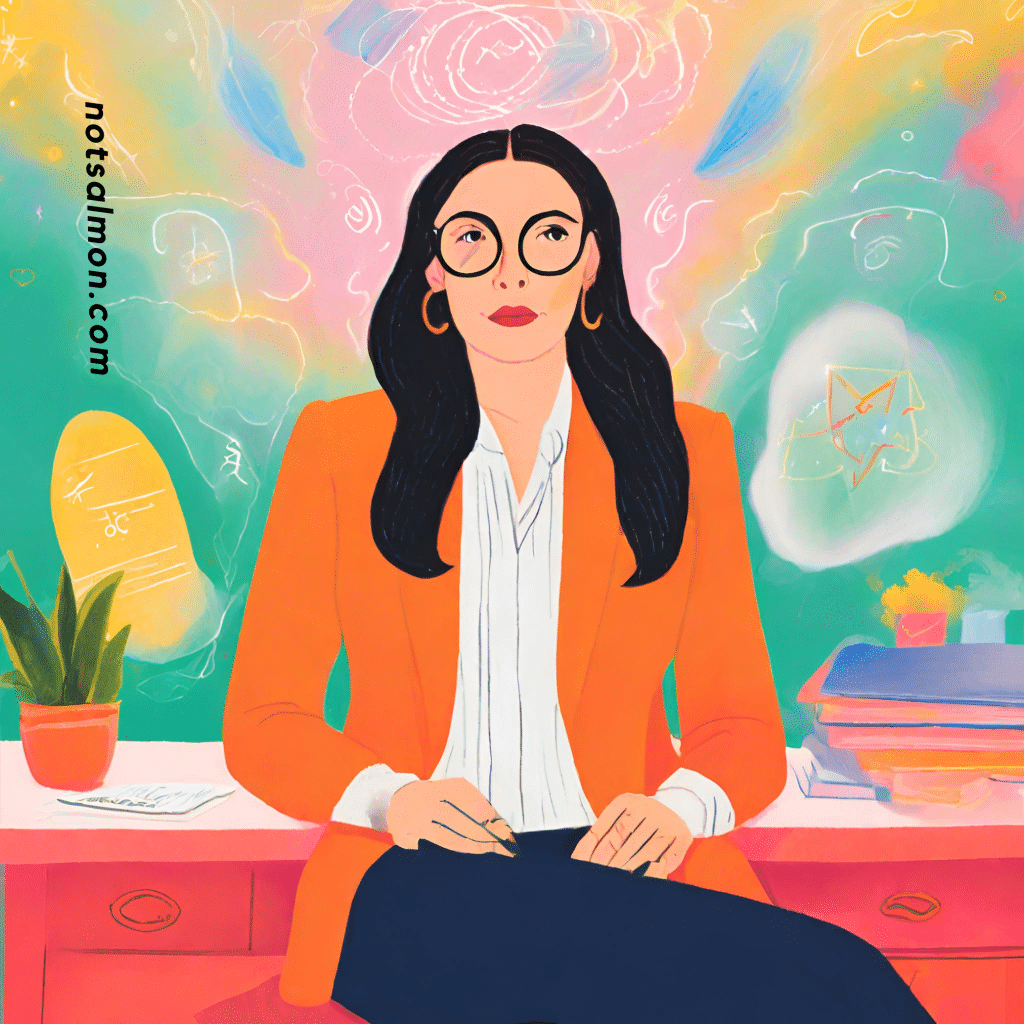
Collaboration with fellow artists can serve as a powerful antidote to creative blocks in calligraphy. By joining forces with others, calligraphers can tap into diverse perspectives, skills, and experiences, fostering an environment where creativity thrives. This partnership can lead to innovative ideas and solutions that may not have been achievable in isolation.The advantages of collaboration are manifold. It not only allows for the exchange of techniques and styles but also creates a supportive atmosphere that encourages experimentation and risk-taking.
Working alongside others can help alleviate the pressure of individual performance, as the focus shifts from personal output to collective creativity. Additionally, collaboration can expand one’s network, offering opportunities for learning and growth within the artistic community.
Steps to Initiate Partnerships with Other Calligraphers or Artists
Embarking on a collaborative journey requires a thoughtful approach to ensure successful partnerships. Here are key steps to initiate collaborations with other artists:
1. Identify Potential Collaborators
Seek out calligraphers or artists whose work resonates with you and complements your style. Online platforms, local art groups, and social media can be effective resources for discovering potential partners.
2. Engage in Dialogue
Reach out to your identified collaborators with a friendly message expressing your admiration for their work. Share your interest in exploring collaborative projects and suggest a meeting or discussion to brainstorm ideas.
3. Define Common Goals
Once a connection is established, discuss shared goals and visions for the collaboration. This clarity will guide the creative process and ensure both parties are aligned in their objectives.
4. Artikel Roles and Responsibilities
Clearly define each artist’s role within the collaboration. This helps to prevent misunderstandings and ensures that contributions are balanced and meaningful.
5. Experiment and Create
Start small by creating joint pieces or engaging in collective projects. Use this opportunity to explore new techniques, styles, or themes together.
6. Share and Promote
After creating collaborative works, actively share these pieces on social media and through exhibitions. This not only showcases the partnership but also engages a wider audience, enriching the creative community.
“Collaboration fosters creativity and innovation, turning individual artistic vision into shared experiences.”
Success stories abound in the realm of artistic collaboration. A notable example includes a project between two calligraphers who combined traditional and modern styles, resulting in a unique font that garnered attention in the design community. Their joint effort not only pushed their creative boundaries but also opened doors for future collaborations and exhibitions. Such stories serve as inspiration, demonstrating that the synergy of creative minds can lead to exceptional outcomes beyond what one could achieve alone.
Utilizing Digital Resources
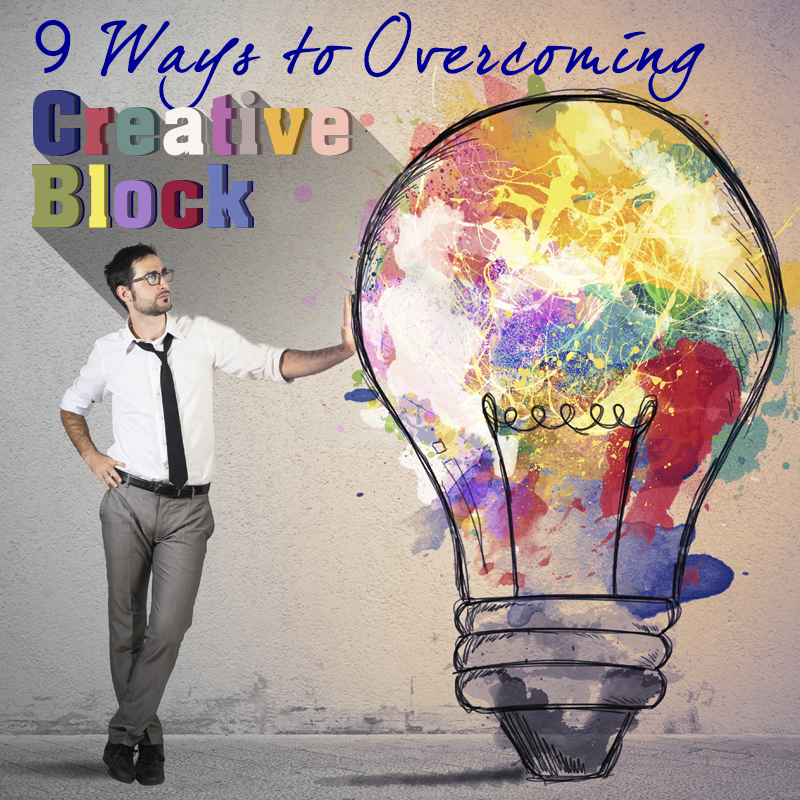
In today’s digital age, calligraphers have access to a wide array of resources that can significantly enhance their creative process. Utilizing digital tools and applications can not only stimulate creativity but also provide essential support through learning and community engagement. These resources can help artists overcome blocks and inspire new ideas in their work.The digital landscape offers various platforms for calligraphers to hone their skills, learn new techniques, and connect with fellow enthusiasts.
Below is a table outlining some of the most beneficial online courses, tutorials, and forums available for calligraphers.
| Resource Type | Name | Link | Description |
|---|---|---|---|
| Online Course | Skillshare – Modern Calligraphy | Skillshare | A comprehensive course covering the basics of modern calligraphy, perfect for beginners. |
| Tutorial | YouTube – Calligraphy with Lauren | YouTube | Video tutorials that showcase various techniques and styles in an engaging format. |
| Forum | Calligraphy.org Forum | Calligraphy.org | A community of calligraphers sharing tips, feedback, and inspiration. |
| Online Workshop | CreativeLive – Brush Lettering | CreativeLive | Interactive workshops focusing on brush lettering techniques, ideal for all skill levels. |
In addition to educational resources, social media plays a vital role in fostering connections among calligraphers. Platforms such as Instagram and Facebook are not just for sharing completed works; they also serve as a powerful means of interaction and inspiration. By following other calligraphers, participating in challenges, and joining groups dedicated to calligraphy, artists can immerse themselves in a supportive community.
Utilizing hashtags related to calligraphy, such as #CalligraphyArt and #HandLettering, can increase visibility and facilitate connections with others in the field. Engaging with comments and participating in discussions can lead to valuable feedback and new perspectives that may spark creativity.
“Digital resources can transform your creative journey in calligraphy, offering both education and community support.”
Ending Remarks
In conclusion, overcoming a creative block in calligraphy is not merely about finding techniques; it involves a holistic approach that encompasses inspiration, collaboration, and personal well-being. By implementing the strategies discussed, artists can cultivate a nurturing environment that encourages creativity and fosters connections with fellow calligraphers. Embracing these insights not only helps in overcoming blocks but also enriches the overall experience of creating beautiful letterforms.