Delving into How to Learn Calligraphy Left-Handed, this discussion aims to empower aspiring calligraphers who favor their left hand. Calligraphy, an art form that beautifully blends creativity and technique, presents unique challenges for left-handed individuals. Understanding the fundamentals of calligraphy, from essential tools to posture, is crucial for developing a graceful and fluid writing style.
As we explore various calligraphy styles and techniques tailored specifically for left-handed learners, we will also address common difficulties and share effective practice routines. Whether one seeks to create stunning artworks or simply enjoys the craft, this guide will provide valuable insights to elevate your calligraphy skills.
Understanding Calligraphy Fundamentals
Calligraphy is an art form that combines creativity with technical skill, allowing individuals to express themselves beautifully through written words. For left-handed writers, mastering calligraphy can present unique challenges and opportunities. Understanding the essential tools, strokes, and techniques specific to this style of writing is crucial for achieving elegant results.
Essential Tools for Left-Handed Calligraphy
The right tools can significantly enhance the experience and outcome of left-handed calligraphy. Selecting the appropriate writing instruments and materials is vital for comfort and control. Here are some key tools needed for effective practice:
- Calligraphy Pens: Fountain pens with a flexible nib or dip pens are preferable, as they allow for greater control over ink flow and pressure. Left-handed users may benefit from specially designed left-handed nibs.
- Inks: High-quality, smooth-flowing inks are recommended to prevent smudging. Waterproof or archival inks can preserve the writing for longer periods.
- Paper: Choosing the right paper can affect the ink’s absorption and the pen’s glide. Smooth, bleed-resistant paper is ideal for calligraphy.
- Guidelines: Using printed guides can help maintain consistent letter height and slant, which is particularly useful for beginners.
- Ruler and Pencil: For creating baseline guides and ensuring proper spacing, a ruler and pencil are essential tools for layout preparation.
Basic Strokes and Techniques in Calligraphy
Understanding the fundamental strokes is the foundation of calligraphy. Each stroke contributes to the overall appearance of letters and words. Mastering these techniques allows for fluid and captivating writing. The primary strokes include:
- Upstrokes: These are light, thin lines created with minimal pressure on the pen.
- Downstrokes: Created with more pressure, downstrokes result in thicker lines, adding contrast and elegance to the lettering.
- Entrance and Exit Strokes: These strokes are essential for connecting letters smoothly and ensuring a cohesive flow in writing.
- Curves and Loops: Mastering curves helps in forming letters with rounded features, essential in many calligraphic styles.
Understanding these strokes will enhance the overall quality of your calligraphy.
Posture and Grip for Left-Handed Writers
Proper posture and grip are crucial for left-handed calligraphers to achieve the best results. The way one holds the pen and positions their body can greatly influence the writing experience. Posture is essential for maintaining comfort and preventing strain. A relaxed posture with a straight back and feet flat on the ground promotes better control and stability. The grip on the pen should be firm but relaxed, preventing excessive tension.
This allows for fluid movements while writing. It is advisable for left-handed writers to hold the pen at a slight angle, avoiding the common tendency to push the pen across the page.
“The right posture and grip not only enhance control but also improve the overall aesthetic quality of your calligraphy work.”
By focusing on these fundamentals, left-handed individuals can develop their calligraphy skills effectively, paving the way for artistic expression through the written word.
Choosing the Right Calligraphy Style
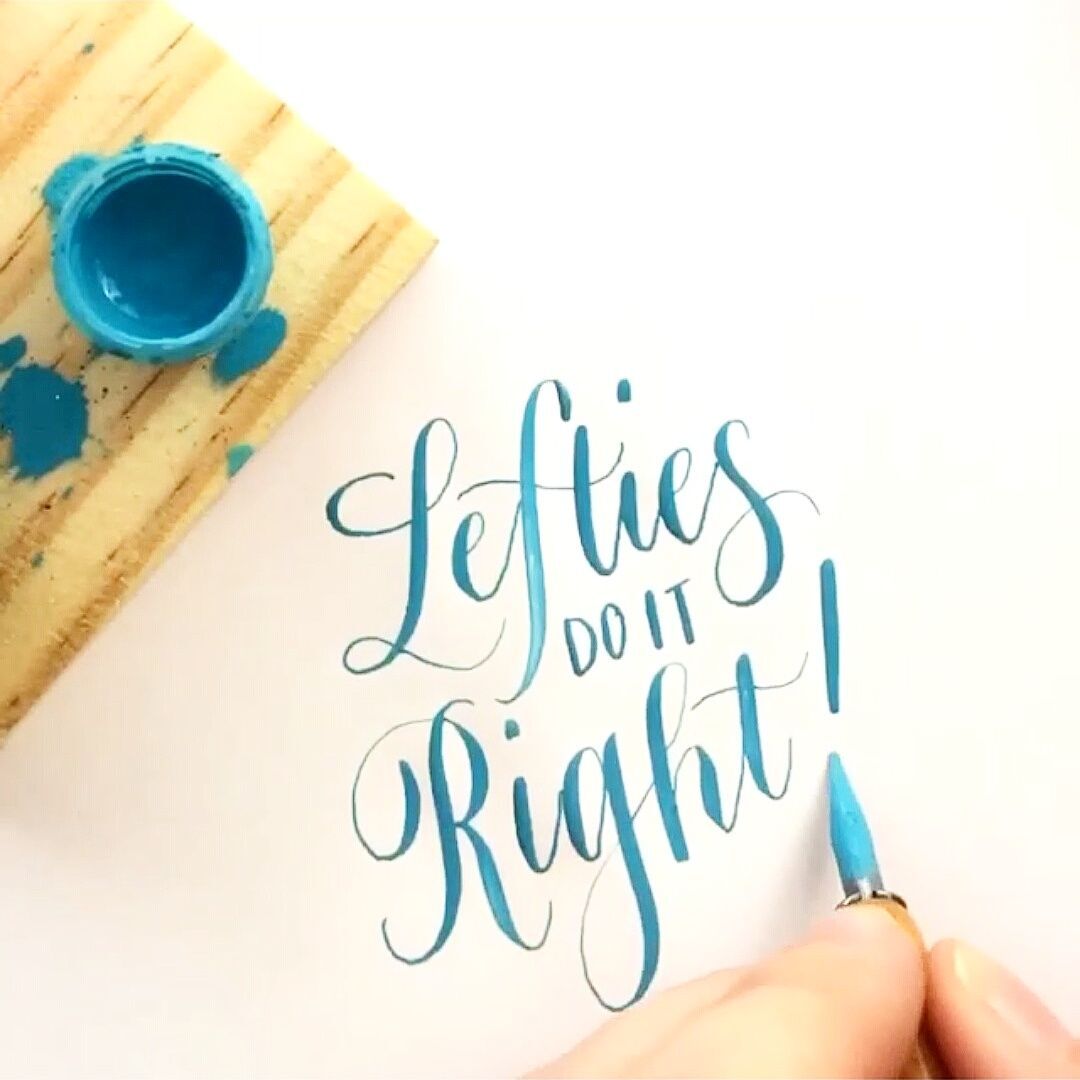
Selecting an appropriate calligraphy style is crucial for left-handed learners, as it can significantly influence their comfort and success in mastering this art form. With various styles available, understanding the characteristics and techniques of each can help left-handed individuals make informed decisions tailored to their unique needs.When considering calligraphy styles, it is important to recognize the distinct traits of traditional and modern adaptations.
Traditional calligraphy styles often emphasize precise strokes and historical significance, while modern styles provide more flexibility and creativity, allowing for personal expression. Left-handed learners might find specific styles more conducive to their writing hand, reducing smudging and improving overall fluency.
Traditional Calligraphy Styles
Traditional calligraphy encompasses several styles that have stood the test of time. These styles often require specific techniques, which can be uniquely challenging for left-handed writers. Here are a few notable styles:
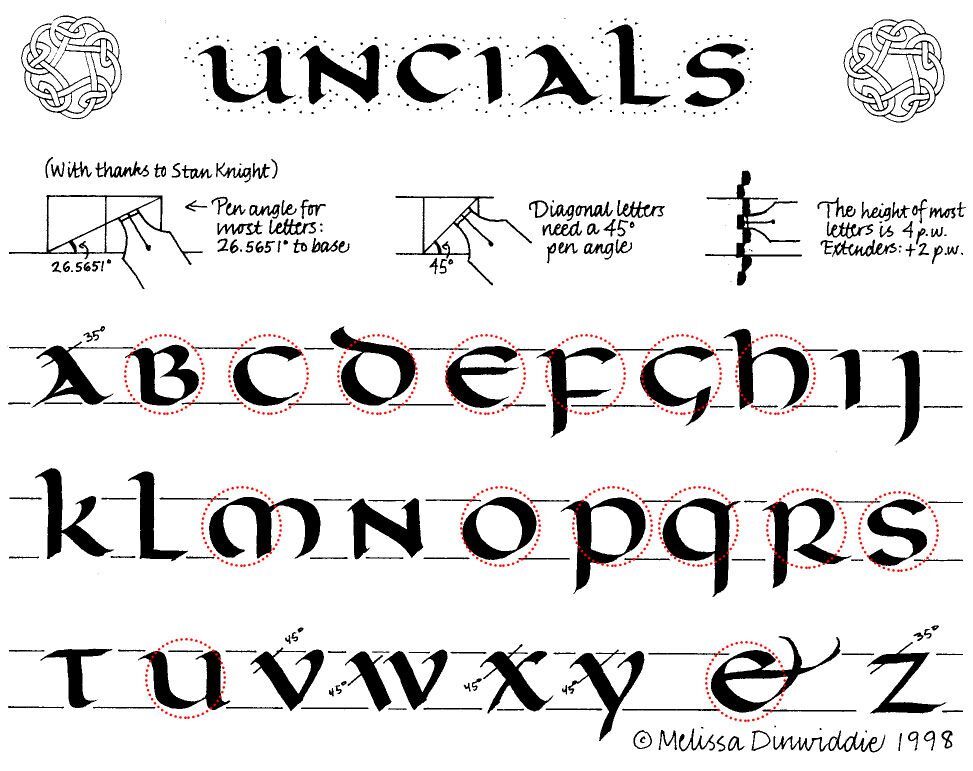
- Italic Calligraphy: Known for its slanted letters and fluid strokes, Italic calligraphy is accessible for beginners and offers a graceful aesthetic. Left-handed learners can adopt this style by tilting their paper or adjusting their grip to minimize smudges.
- Copperplate Calligraphy: Recognizable for its elegant loops and flourished ascenders and descenders, Copperplate requires a steady hand and controlled pressure. Left-handed calligraphers can benefit from practicing with slow, deliberate movements to master this intricate style.
- Gothic Calligraphy: Characterized by its bold and angular forms, Gothic calligraphy presents challenges in stroke direction for left-handed writers. However, with consistent practice, students can develop a unique flair in this robust style.
Modern Calligraphy Styles
Modern calligraphy has evolved to incorporate playful elements and versatility, making it increasingly appealing to left-handed learners. This style often allows for more personal expression, and can be adjusted to fit individual preferences. Notable aspects include:
- Brush Lettering: This technique involves using a brush pen to create fluid, expressive letters. Left-handed calligraphers can easily manipulate the brush to achieve varying stroke widths, allowing for creative freedom.
- Minimalist Calligraphy: Focused on simplicity and clean lines, minimalist calligraphy is particularly inviting for beginners. Its straightforward approach allows left-handed learners to establish confidence as they refine their skills.
- Watercolor Calligraphy: Combining calligraphy with watercolor techniques can produce stunning effects. Left-handed calligraphers can experiment with colors while developing their writing style, enhancing both skill and creativity.
Inspiration from Left-Handed Calligraphers
Learning from established left-handed calligraphers can provide motivation and insight into various styles. Many successful calligraphers have embraced their left-handedness and developed unique techniques to suit their needs. Some notable left-handed calligraphers include:
- Debi Sementelli: Known for her elegant Copperplate style, Debi has shared her techniques specifically tailored for left-handed writers, offering valuable resources through online tutorials and workshops.
- Sarah Ensign: A prominent figure in modern calligraphy, Sarah emphasizes the importance of adaptability, encouraging left-handed learners to explore various styles while developing a personal voice.
- Maybelle Imasa-Stukuls: Recognized for her creative approach to brush lettering, Maybelle’s work combines traditional techniques with modern flair, inspiring left-handed calligraphers to embrace experimentation.
Techniques for Left-Handed Calligraphy
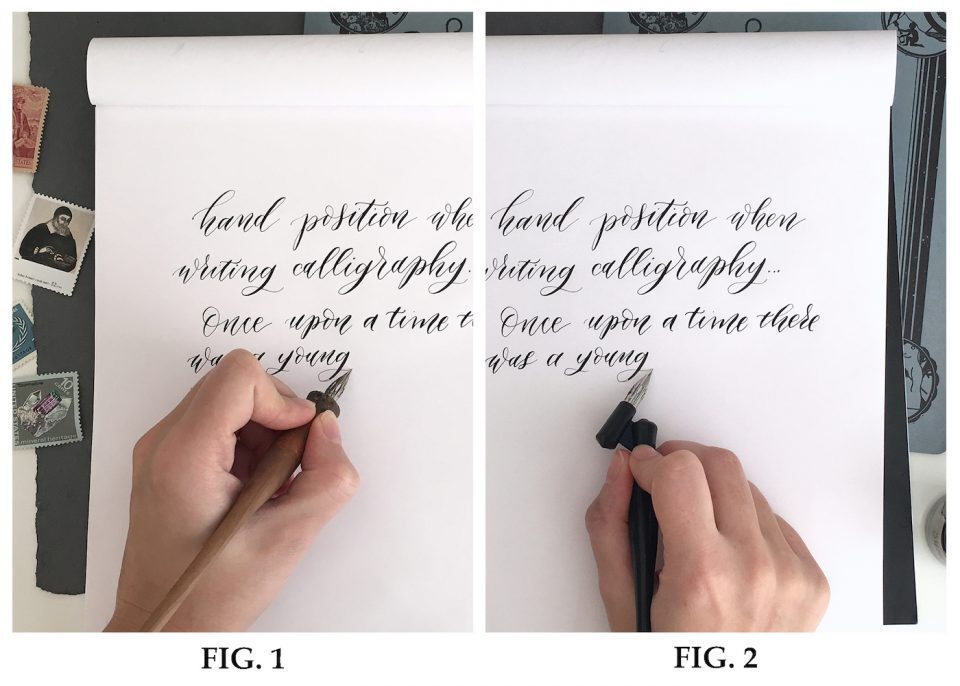
Left-handed calligraphers face unique challenges that can affect their writing experience and final results. Understanding the specific techniques designed for left-handed individuals can enhance their calligraphy skills significantly. By utilizing the right methods and practicing diligently, left-handed calligraphers can achieve beautiful and consistent lettering.For left-handed calligraphy, the most effective techniques revolve around hand positioning, pen grip, and ink flow management.
Unlike right-handed writers, left-handed individuals must adapt their approach to create strokes effectively without smudging their work. This section Artikels essential techniques and offers a practical guide for practicing basic strokes left-handed.
Practical Techniques for Left-Handed Calligraphers
Developing effective techniques is vital for left-handed calligraphy. Below are some beneficial practices to enhance writing skills:
1. Adjust Hand Position
Hold the pen at a comfortable angle, typically around 45 degrees. This position helps in minimizing smudging. Rotate the paper clockwise to maintain a natural wrist position, allowing for smoother strokes.
2. Grip the Pen Correctly
Use a relaxed grip to avoid fatigue. A firm yet gentle hold provides better control without cramping the fingers. Consider using specially designed pens or grips that cater to left-handed users, which can improve comfort and precision.
3. Practice the Basic Strokes
Focus on mastering fundamental strokes such as loops, curves, and straight lines. These strokes form the basis of many calligraphy styles.
Utilize practice worksheets designed specifically for left-handed calligraphers, which can guide stroke creation without confusion.
Step-by-Step Guide for Practicing Basic Strokes Left-Handed
Practicing basic strokes is crucial for developing a solid foundation in calligraphy. Below is a step-by-step guide tailored for left-handed individuals:
1. Warm-Up Exercises
Begin with simple warm-up exercises like drawing straight lines and curves on a blank sheet. This helps in loosening wrist muscles and improving control.
2. Loop Practice
Draw small loops moving from left to right. Focus on maintaining even pressure on the pen to create uniform loops.
3. Curve Creation
For curves, start from the baseline and create arcs that rise and fall gracefully. Ensure to keep your wrist relaxed to avoid strain.
4. Connecting Strokes
Once comfortable with individual strokes, practice connecting them. Form letters by combining loops and curves smoothly.
5. Consistency Check
Regularly compare your strokes against sample letters to ensure consistency in height and width, adjusting as necessary to refine your technique.
Overcoming Challenges Faced by Left-Handed Writers
Left-handed calligraphers often encounter specific difficulties that can hinder their progress. Here are some strategies to address common challenges:
1. Ink Smudging
To prevent smudging, always write from the top of the page to the bottom, allowing ink to dry before moving to the next line.
2. Visibility Issues
Adjusting the paper angle to a more comfortable position can enhance visibility and control, making it easier to see what you are writing.
3. Muscle Fatigue
Take regular breaks to rest your hand and wrist, especially during longer practice sessions. This will help maintain stamina and prevent discomfort.
4. Finding the Right Supplies
Experiment with different types of pens and inks. Some may be more suitable for left-handed writing due to quick-drying formulas or ergonomic designs.
5. Building Confidence
Engage in community activities such as workshops or online forums for left-handed calligraphers. Sharing experiences and learning from others can be empowering and encouraging.By applying these techniques and practicing consistently, left-handed calligraphers can elevate their skills and enjoy the art of calligraphy to its fullest.
Practice Routines and Exercises
Establishing a consistent practice routine is essential for mastering left-handed calligraphy. By focusing on specific exercises tailored to the unique challenges faced by left-handed individuals, you can improve control, fluidity, and overall proficiency in your writing. This section will provide a structured daily practice schedule, various exercises, and resources for printable practice sheets designed specifically for left-handers.
Daily Practice Schedule
Creating a tailored daily practice schedule can significantly enhance your calligraphy skills. Here’s a sample routine designed for left-handed calligraphers, emphasizing gradual progression and consistency.
- Morning Session (30 minutes)
- Warm-up (5 minutes): Simple strokes and lines to loosen the hand.
- Letter Formation (15 minutes): Focus on a specific letter each day; practice uppercase and lowercase variations.
- Short Word Practice (10 minutes): Write common words that include the letter of the day for contextual application.
- Afternoon Session (20 minutes)
- Fluid Movement (10 minutes): Practice connecting letters with smooth transitions.
- Style Variation (10 minutes): Experiment with different calligraphy styles to expand your repertoire.
- Evening Session (20 minutes)
- Review (5 minutes): Look back at your progress; note improvements and ongoing challenges.
- Creative Application (15 minutes): Create a short quote or phrase incorporating the day’s practice letters and styles.
Exercises for Control and Fluidity
To enhance your control and fluidity in calligraphy, incorporating specific exercises into your routine is beneficial. These exercises focus on hand movement, grip, and varying pressure applied during writing.
- Basic Strokes: Practice fundamental strokes such as upstrokes, downstrokes, and curves. Focus on maintaining consistent pressure and smooth transitions.
- Circle and Loop Practice: Draw circles and loops repeatedly to develop muscle memory and fluid wrist movements.
- Repeated Letters: Write letters repeatedly to build consistency. Gradually increase speed while maintaining form.
- Pressure Variations: Write the same letter or stroke with varying pressure to create a contrast in thickness, enhancing your understanding of dynamics.
Resources for Printable Practice Sheets
Utilizing printable practice sheets can serve as a valuable resource for left-handed calligraphers. These sheets provide guided lines and examples that assist in maintaining proper form and technique.
Look for resources that offer left-handed specific practice sheets, which can include pre-printed guidelines for letters, words, and strokes.
- Online Platforms: Websites such as Calligraphy.org and The Postman’s Knock offer downloadable practice sheets designed for left-handed learners.
- Books: Many calligraphy instructional books include practice sheets or templates; consider titles like “The Calligraphy Handbook” by Mary Noble.
- Community Resources: Join online calligraphy communities or social media groups where members often share free resources and practice sheets tailored for left-handed calligraphy.
Exploring Different Mediums
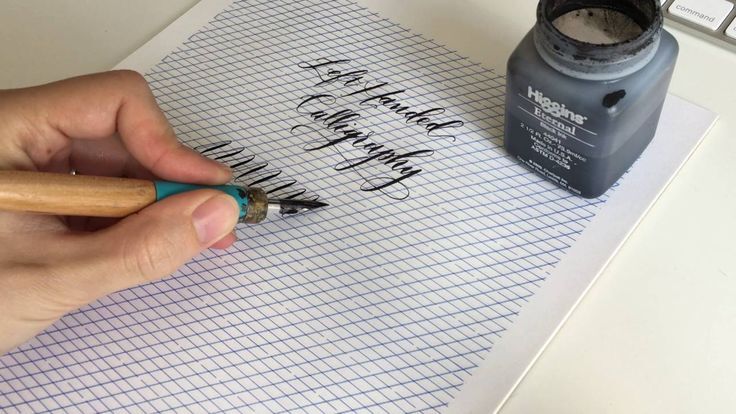
Selecting the appropriate mediums for left-handed calligraphy is crucial, as it can significantly enhance the writing experience and improve the overall outcome of the artwork. The choice of ink, paper, and tools can either facilitate or hinder the fluidity of movement and the quality of the finished piece. Understanding these elements allows left-handed calligraphers to make informed decisions that cater to their unique writing style.
Inks and Papers for Left-Handed Calligraphy
The choice of ink and paper is fundamental in left-handed calligraphy. Certain inks are designed to dry quickly, which is particularly beneficial for left-handed writers who may inadvertently smudge their work.
- Inks: Water-based inks are often recommended for left-handed calligraphy as they dry faster than oil-based inks. Brands such as Higgins and Dr. Ph. Martin’s offer vibrant colors and quick drying times, reducing the risk of smudging.
- Papers: Textured papers, like cold-pressed watercolor paper, can enhance the calligraphic effect. Smooth papers, such as Bristol or layout paper, provide a clean surface that is less likely to cause ink bleed, making them suitable for intricate lettering.
Tools Affecting the Writing Experience
The type of writing instrument plays a vital role in the calligraphy process. For left-handed calligraphers, specific tools can either ease the writing experience or create difficulties.
- Calligraphy Pens: Pens with a broad nib, such as the Pilot Parallel Pen, allow for smooth ink flow and control. They are also adjustable for different line thicknesses, which can add depth to the work.
- Brush Pens: These tools offer flexibility and can create varied line widths depending on pressure applied. Brands like Tombow provide dual-tipped options that are especially popular among left-handed artists.
Digital Versus Traditional Calligraphy
The debate between digital and traditional calligraphy continues to be relevant among left-handed learners. Each medium has unique advantages and drawbacks.
- Digital Calligraphy: Offers convenience with features like undo and redo, allowing for easy corrections. Additionally, programs such as Procreate provide a wide variety of brushes and fonts. However, the lack of tactile feedback may detract from the authentic calligraphy experience.
- Traditional Calligraphy: Engaging with physical tools fosters a deeper connection to the craft. The texture of paper and the flow of ink are elements that many artists find irreplaceable. Nevertheless, traditional calligraphy requires more practice and commitment to master the techniques involved.
“The choice of medium not only influences the aesthetic quality of calligraphy but also the emotional connection to the art form.”
Building a Calligraphy Portfolio
A well-curated calligraphy portfolio reflects the artist’s unique style, skills, and evolution as a calligrapher. It serves not only as a personal collection but also as a means to showcase one’s artistry to a broader audience. The careful selection and presentation of your works can significantly enhance the perception of your calligraphy skills.Curating a personal collection of calligraphy works requires thoughtful consideration of various elements.
It is essential to select pieces that demonstrate your range and proficiency, capturing the essence of your artistic journey. Assembling works that showcase different styles, techniques, and themes can provide depth to your portfolio. Consider the following tips for curating and presenting your calligraphy pieces effectively.
Curating Your Calligraphy Collection
When curating your calligraphy collection, aim to create a cohesive theme or story that highlights your progression and mastery. Select pieces that resonate with your artistic voice, including:
- Diverse Styles: Include samples from various calligraphy styles to showcase versatility. This may include traditional scripts, modern calligraphy, and experimental forms.
- Proficient Techniques: Highlight works that demonstrate your technical skills, such as fine line work, flourishing, or brush lettering.
- Personal Projects: Incorporate personal or commissioned projects that reflect your passion and unique interpretations.
- Progression Over Time: Showcase your evolution as an artist by including older works alongside more recent pieces to illustrate growth.
Presenting and Showcasing Calligraphy Pieces
Effective presentation of your calligraphy works can significantly impact how they are perceived. Employ the following strategies to ensure your pieces are showcased in the best light:
- Consistent Framing: Use similar frames or mounts for each piece to create a uniform look. This consistency can draw attention to the art itself.
- Professional Photography: Capture high-quality images of your works in good lighting, ensuring that colors and details are accurately represented. Consider using a neutral background to minimize distractions.
- Descriptive Labels: Accompany each piece with labels that include the title, date, medium, and any relevant context, allowing viewers to connect more with your creations.
- Print and Digital Formats: Create both physical and digital portfolios. Physical portfolios can be shown at exhibitions, while digital formats can reach a wider audience online.
Creating an Online Presence
Establishing an online presence is crucial for sharing your calligraphy work with a global audience. Here are recommendations for effectively creating and managing your online portfolio:
- Portfolio Website: Develop a personal website that serves as a digital portfolio. Ensure it is user-friendly and visually appealing, featuring high-resolution images of your calligraphy.
- Social Media Platforms: Utilize platforms such as Instagram, Pinterest, and Facebook to share your work. Regularly post new pieces, behind-the-scenes content, and engage with your audience.
- Online Galleries: Consider joining online art platforms or galleries that allow you to showcase your work to a larger community of art enthusiasts.
- Engaging Content: Share tutorials, tips, and insights into your creative process through blogs or videos. This can help build a following and establish you as an authority in the field of calligraphy.
“A portfolio is more than just a collection of works; it is a reflection of your artistic identity and evolution.”
Wrap-Up
In conclusion, navigating the world of left-handed calligraphy can be a fulfilling and rewarding journey. By understanding the essential tools, techniques, and styles suitable for left-handed individuals, along with establishing a dedicated practice routine, you can cultivate your skills and express your creativity through this elegant art form. Remember, the beauty of calligraphy lies not only in the final piece but also in the joy of the learning process.