How to Get Started with Gothic or Blackletter Calligraphy unveils the enchanting world of this timeless art form, guiding both novices and enthusiasts alike through its rich history and intricate beauty. Originating in medieval Europe, Gothic calligraphy is distinguished by its elaborate and dramatic letterforms that reflect cultural significance and artistic expression over the centuries.
In this guide, we will explore the essential tools required, foundational techniques for beginners, and a variety of styles within Gothic calligraphy. Whether you aim to create stunning personalized projects or simply appreciate the aesthetic appeal of this craft, this overview will equip you with the knowledge to embark on your calligraphic journey.
Introduction to Gothic or Blackletter Calligraphy
Gothic calligraphy, often referred to as Blackletter, is a distinctive style of writing that emerged during the Middle Ages in Western Europe. Originating in the 12th century, this form of calligraphy flourished until the 16th century and was characterized by its ornate letters and intricate designs. The term “Gothic” originally described the artistic style of the period, which encompassed architecture, painting, and manuscript writing, reflecting the cultural and intellectual revival of that era.The significance of Gothic calligraphy extends beyond its visual appeal; it served as a crucial medium for communication and preservation of knowledge during a time when literacy was limited.
Manuscripts adorned with Gothic script were used in religious texts, legal documents, and literary works. The cultural impact of this style is profound, as it not only influenced other calligraphic forms but also played a vital role in the development of the printing press by providing a model for typesetting. The legacy of Gothic calligraphy can still be seen today, particularly in contemporary designs and artistic expressions.
Aesthetic Qualities of Gothic Calligraphy
Gothic calligraphy is distinguished by several key aesthetic qualities that set it apart from other styles. The following characteristics contribute to its unique visual identity:
- Angular Shapes: Gothic letters are marked by sharp angles and pointed strokes, giving them a dynamic and dramatic appearance.
- Thick and Thin Contrast: The variation in stroke thickness creates a striking visual rhythm, enhancing the overall elegance of the script.
- Elaborate Flourishes: Ornamental elements such as swirls and loops often embellish the letters, adding complexity and artistry.
- Vertical Orientation: The tall, narrow form of Gothic letters emphasizes verticality, which contributes to a sense of grandeur and authority.
- Textured Appearance: When written with traditional tools, the ink creates a textured surface that further enhances the tactile quality of the script.
The combination of these attributes results in a script that not only serves a functional purpose but also embodies a rich artistic tradition. Gothic calligraphy remains a powerful form of expression that continues to inspire calligraphers and artists alike, reinforcing its timeless appeal and cultural significance.
Essential Tools and Materials
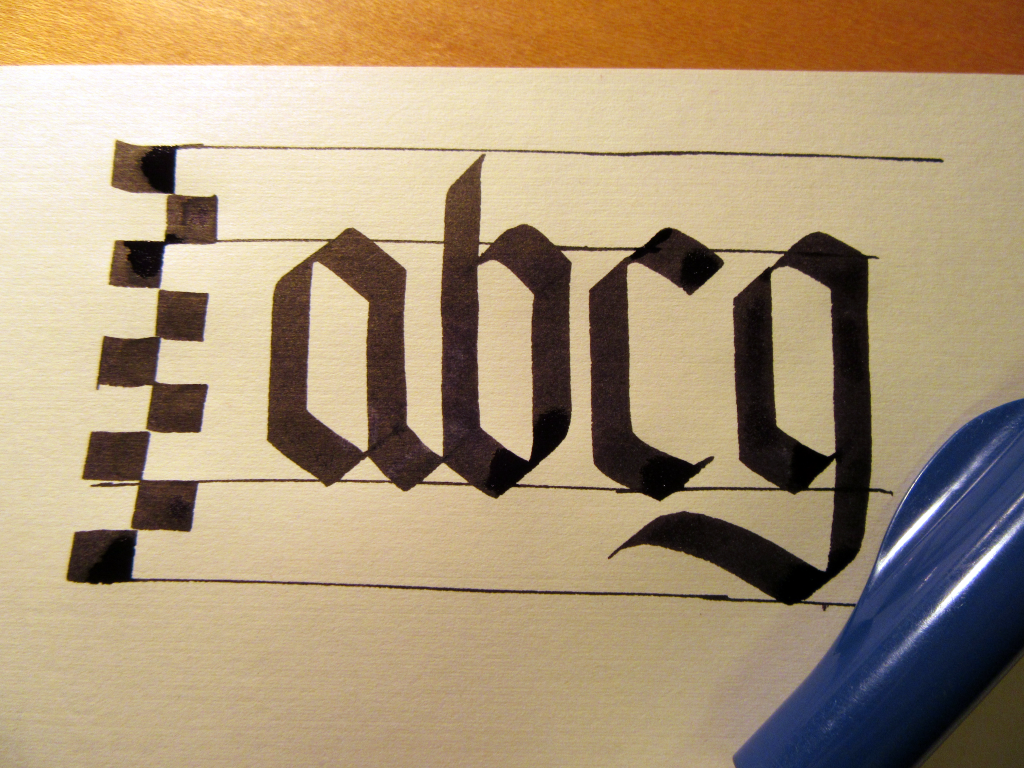
To embark on your journey into Gothic or Blackletter calligraphy, it is crucial to equip yourself with the right tools and materials. These tools not only enhance your artistic expression but also ensure that your work maintains the historical integrity of Gothic script. The following sections detail the essential tools needed for effective practice and the types of inks and papers that best complement this beautiful style of calligraphy.
Recommended Tools for Gothic Calligraphy
Selecting the appropriate tools is vital for achieving the desired results in Gothic calligraphy. Here is a list of essential tools to help you get started:
- Calligraphy Pens: A broad-tipped dip pen or a fountain pen with a broad nib is ideal for creating the thick and thin strokes characteristic of Gothic lettering.
- Brushes: Soft, flexible brushes allow for smooth, fluid strokes and can also be used to create variations in line width.
- Oblique Pen Holder: This holder helps achieve the correct angle while writing, especially for pointed nibs.
- Ruler: A straightedge ensures that your lines are accurate and evenly spaced, which is crucial for maintaining uniformity in letter height.
- Pencil and Eraser: Use these for preliminary sketches and adjustments before applying ink.
Inks and Papers Suitable for Gothic Calligraphy
The choice of ink and paper significantly influences the final outcome of your calligraphy work. Below are the recommended inks and papers that yield the best results in Gothic calligraphy:
- Inks:
- Iron Gall Ink: This traditional ink provides rich, deep blacks and has a historic connection to Gothic script.
- Indian Ink: A versatile option that dries quickly and is water-resistant, making it ideal for various surfaces.
- Calligraphy Ink: Specifically formulated inks that come in a variety of colors are perfect for achieving vibrant lettering.
- Papers:
- Cold Press Watercolor Paper: Its texture allows ink to flow smoothly and reduces bleeding.
- Vellum: A traditional choice that provides a smooth surface for detailed work.
- Calligraphy Paper: Designed specifically for calligraphy, this paper often has guidelines printed for alignment.
Comparison of Calligraphy Tools
To better understand the various tools available for Gothic calligraphy, the following table compares different tools along with their specific uses:
| Tool Type | Specific Uses |
|---|---|
| Dip Pen | Ideal for creating varied line widths and flexibility in stroke styles. |
| Fountain Pen | Convenient for portable calligraphy with consistent ink flow. |
| Brush | Perfect for broad strokes and expressive lettering. |
| Oblique Pen Holder | Helps maintain the correct angle while writing with pointed nibs. |
| Papers | Cold press, vellum, and specialized calligraphy papers improve ink adherence and prevent bleed. |
Basic Techniques for Beginners
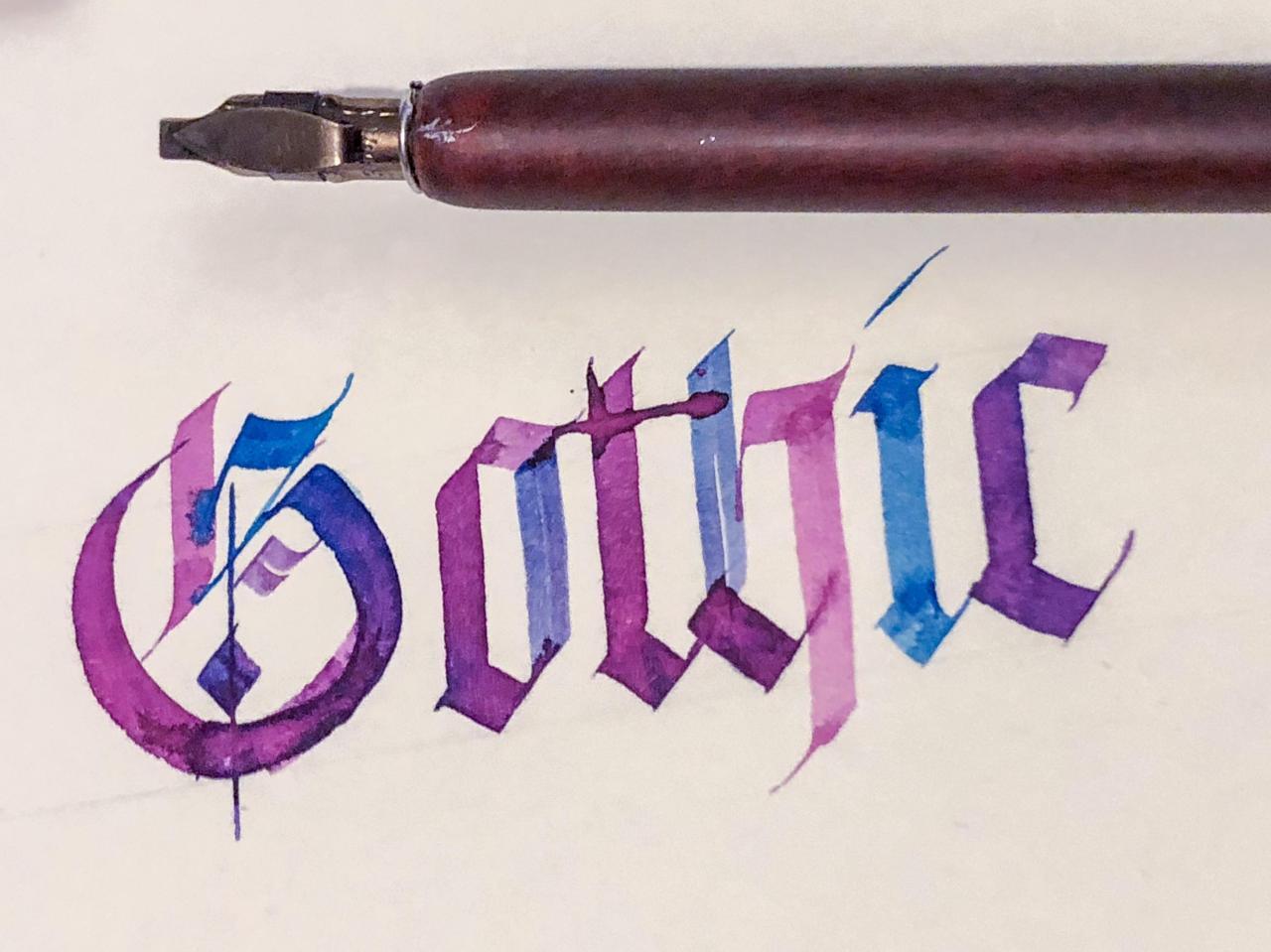
To embark on your journey into Gothic or Blackletter calligraphy, it is essential to develop a strong foundation in the basic techniques. Mastering these initial skills will enhance your proficiency and confidence as you progress in this intricate art form. This section will focus on the foundational strokes, step-by-step guidance for practicing essential letterforms, and exercises designed to cultivate your control and consistency in writing Gothic letters.
Foundational Strokes in Gothic Calligraphy
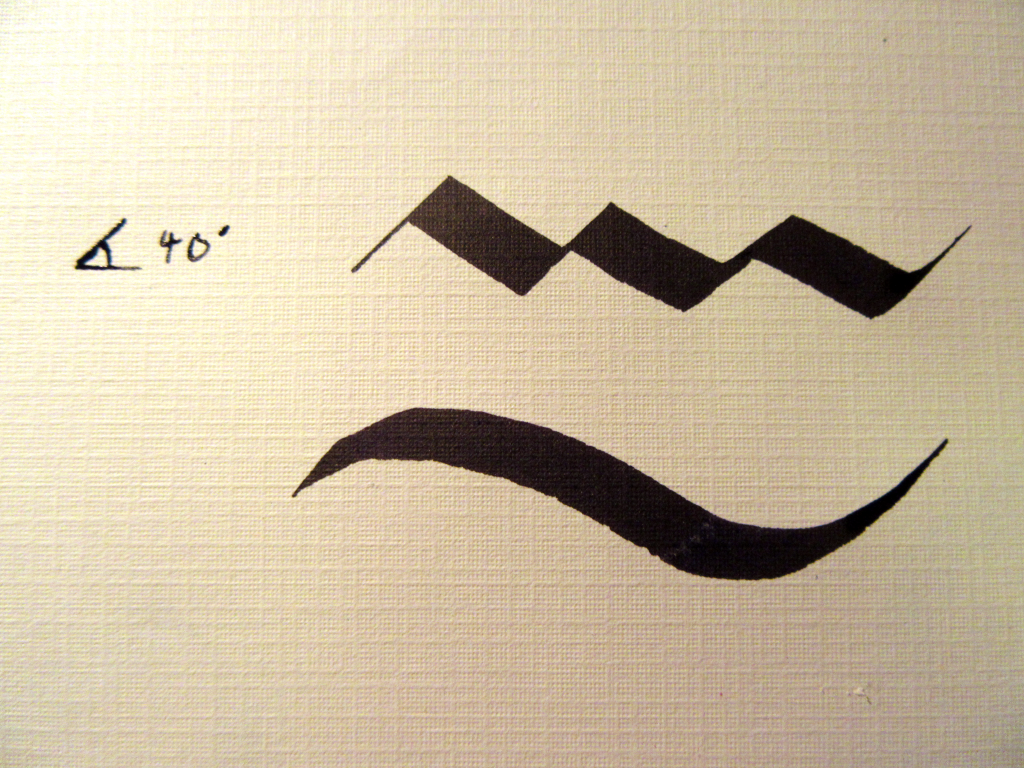
The art of Gothic calligraphy relies heavily on specific foundational strokes that form the basis of each letter. Understanding these strokes is crucial for creating authentic Gothic characters. The primary strokes include:
- Entry Stroke: A light upward stroke that begins the formation of a letter, typically angled to the left.
- Downstroke: A firm, vertical stroke that is thickened while moving down, giving Gothic letters their characteristic weight.
- Exit Stroke: A light upward stroke that concludes a letter, often angled to the right.
- Diagonal Stroke: A slanted stroke used in letters, which can vary in thickness depending on its position.
- Curved Stroke: A smooth, rounded stroke that adds elegance to certain letters and flourishes.
Step-by-Step Guide for Practicing Basic Letterforms
Practicing basic letterforms is key to developing your calligraphy skills. Below is a structured approach to practice Gothic characters effectively:
1. Begin with Strokes
Start by practicing the foundational strokes individually. Focus on maintaining consistency in thickness and angle.
2. Form Basic Shapes
Combine the foundational strokes to create simple letters such as ‘A’, ‘C’, and ‘E’. Pay attention to the proportions and spacing.
3. Progress to Complex Letters
Once comfortable, move on to letters with more complexity, such as ‘B’, ‘D’, and ‘R’. Break down each letter into its component strokes before attempting the full formation.
4. Practice Complete Words
After mastering individual letters, practice writing complete words. Choose simple words that contain a mix of different letters to challenge your skills.
Exercises for Control and Consistency
Developing control and consistency in your Gothic writing is essential for achieving beautiful, legible letters. The following exercises can enhance your dexterity and fluidity:
Stroke Repetition
Dedicate time to repeatedly practicing individual strokes. Focus on achieving uniform thickness and smooth transitions.
Guided Letterforms
Use lined paper or graph paper as a guide. Trace over printed Gothic letters to reinforce your hand movements.
Timed Writing
Set a timer for short bursts of writing practice. This can help you build speed while maintaining quality.
Mirror Writing
Practice writing letters backward in a mirror, which challenges your muscle memory and enhances your control.
Warm-Up Exercises
Before each session, perform warm-up exercises such as drawing circles, loops, and other shapes to loosen your hand and wrist.By incorporating these foundational techniques, you’ll establish a solid groundwork in Gothic calligraphy that will serve you well as you delve deeper into this captivating art form.
Letter Formation and Style Variations
Gothic or Blackletter calligraphy is characterized by its intricate and ornate letters, which often evoke a sense of historical significance and artistic sophistication. Understanding letter formation is crucial for anyone venturing into this captivating art form. This section will provide insights into forming both uppercase and lowercase Gothic letters while also exploring the different styles that exist within Gothic calligraphy, such as Textura and Fraktur.
Uppercase and Lowercase Gothic Letters
Mastering the formation of uppercase and lowercase letters is fundamental to achieving skillful Gothic calligraphy. Uppercase letters are typically larger and more embellished than their lowercase counterparts. For instance, the uppercase “A” features a pointed top and wide base, often adorned with intricate serifs. In contrast, the lowercase “a” may appear more rounded but still incorporates distinctive Gothic features, such as sharp angles and flourishes.The following examples illustrate the formation of both uppercase and lowercase Gothic letters:
Uppercase Letters
A, B, C, D, E
Lowercase Letters
a, b, c, d, eEach letter reflects the stylistic elements of Gothic calligraphy, including angular shapes and unique strokes that provide depth and character.
Styles within Gothic Calligraphy
Various styles exist within Gothic calligraphy, each with its own unique characteristics. Textura is known for its dense, vertical strokes and tightly packed letters, often resulting in an almost grid-like appearance. Fraktur, on the other hand, features more flowing and curved lines, allowing for greater expressiveness in the letterforms.Understanding the differences between these styles enhances the ability to create personalized Gothic calligraphy pieces.
Below is a table showcasing these styles along with their defining characteristics:
| Style | Characteristics |
|---|---|
| Textura | Vertical strokes, tightly packed letters, grid-like appearance |
| Fraktur | Curved lines, flowing letters, greater expressiveness |
| Rotunda | Rounder shapes, softer curves, more legibility |
| Blackletter | Bold, dramatic lines, traditional Gothic aesthetics |
Each style serves different purposes and can evoke various atmospheres in written works. The distinct visual elements of each Gothic style make them suitable for different projects, whether for formal documents, artistic works, or personal expression.
“Mastering the unique characteristics of Gothic styles allows for greater creativity and expression in calligraphy.”
Advanced Techniques and Flourishes
In the realm of Gothic or Blackletter calligraphy, advanced techniques and flourishes play a crucial role in elevating the aesthetic appeal of your work. These enhancements not only showcase your skill but also provide a unique and personal touch to your pieces. As you delve deeper into the art, mastering these techniques will allow you to express your creativity more fully while maintaining the integrity of the Gothic style.One of the key aspects of enhancing Gothic letters is the incorporation of flourishes.
Flourishes can be added to various parts of the letters, particularly the ascenders and descenders, to create a more dynamic and flowing appearance. This not only adds beauty but also complexity to your letters.
Adding Flourishes to Gothic Letters
Flourishes should be applied with intention to enhance the overall composition of your calligraphy. Below are effective methods to achieve elegant flourishes:
Understanding Flow
Consider the natural curves and angles of Gothic letters. Flourishes should complement these features instead of competing with them.
Controlled Lines
Use a light touch with your pen to create delicate, sweeping lines that gracefully extend from the letters. Practice drawing these lines separately to gain confidence in your control.
Incorporating Loops and Swirls
Integrate loops and swirls into the ascenders (like the tops of ‘b’ or ‘h’) and descenders (such as the tails of ‘y’ or ‘g’). These can create a whimsical appearance.
Balancing Flourishes
Ensure that flourishes do not overwhelm the text. They should enhance readability and harmony within the piece.
“Flourishes are the embellishments that breathe life into your Gothic letters.”
Creating Shadows and Dimensional Effects
Adding shadows and dimensional effects can significantly enhance the visual impact of your calligraphy. This technique provides depth and makes your letters appear more three-dimensional.
Shadow Placement
Shadows typically fall to the bottom right of the letter, following the light source. Use a fine pen or brush to create a soft shadow that mirrors the contours of the letter.
Layering Techniques
Start by writing your letter in a bold style, then use a slightly darker or contrasting color for the shadow. This layering technique can create a striking effect.
Blending Colors
For a more advanced approach, use a gradient effect by blending two colors to create a transition. This adds a sophisticated touch and can elevate the overall appearance of your work.
Enhancing Overall Composition in Gothic Calligraphy
The composition of your piece is just as important as the individual letters. Here are several tips for achieving a balanced and visually appealing layout:
Using Negative Space
Pay attention to the spaces between letters and words. Adequate negative space can enhance readability and the overall aesthetic.
Alignment and Balance
Ensure your text is evenly aligned and balanced throughout the piece. This may involve centering your text or creating a symmetrical design.
Incorporating Decorative Elements
Adding decorative borders, backgrounds, or motifs related to the theme of your calligraphy can enrich the design. Consider elements like vines, floral designs, or geometric shapes that resonate with the Gothic style.
Combining Fonts and Styles
Experiment with variations of Gothic styles or even mix with modern scripts to create a contrasting effect that draws attention.
“A well-composed piece is a visual narrative that guides the viewer’s eye.”
By mastering these advanced techniques and implementing careful flourishes, shadows, and composition strategies, you can create captivating Gothic calligraphy that reflects both your artistic voice and respect for the tradition of this exquisite form of writing.
Creating Your Own Projects
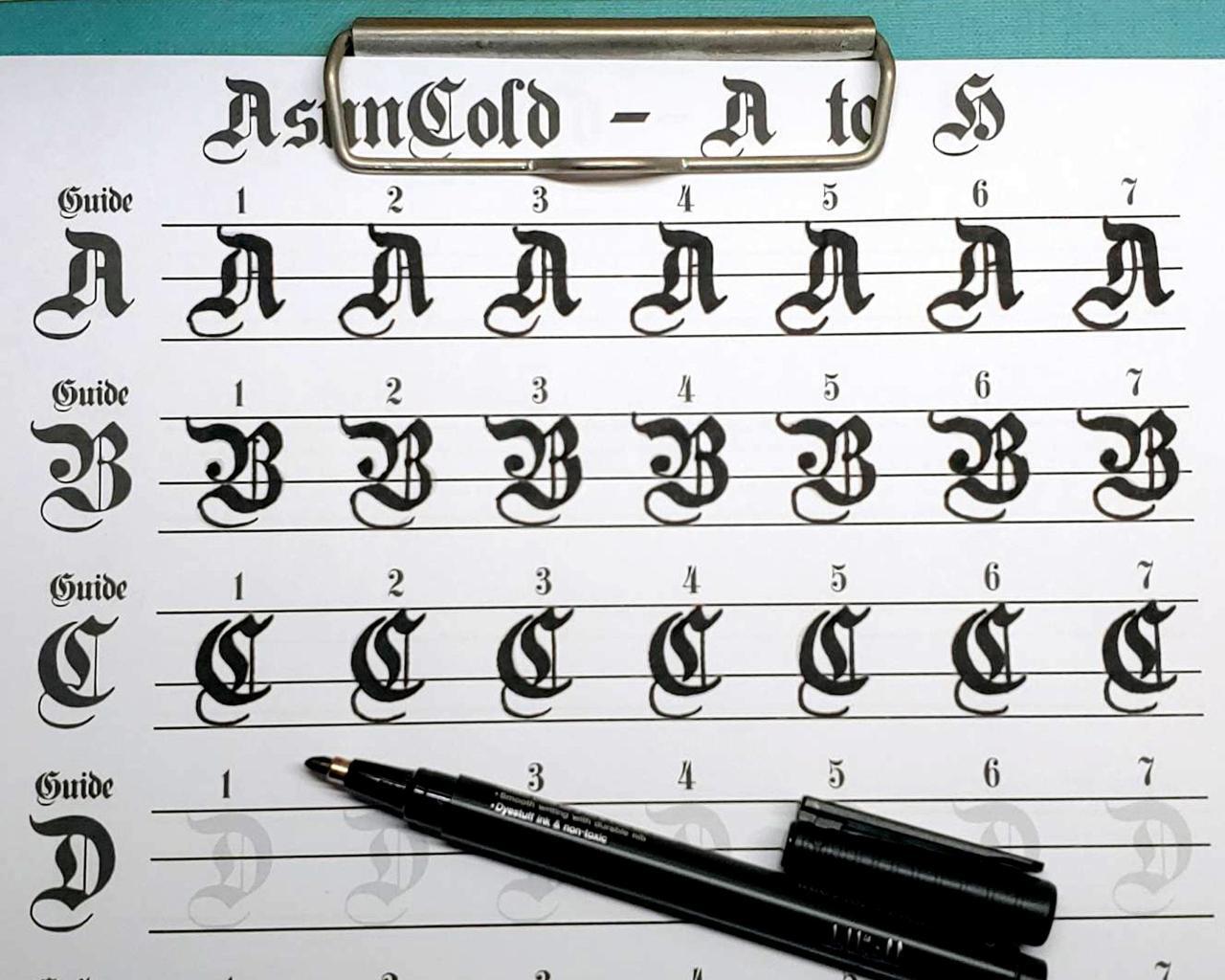
Engaging in personal projects is an excellent way to hone your skills in Gothic or Blackletter calligraphy. Not only do these projects allow you to practice your techniques, but they also provide opportunities to create beautiful, tangible items that reflect your artistry. Whether for personal use, gifts, or even as decorative pieces, the act of creating can be immensely rewarding.
As you embark on your calligraphy journey, consider various project ideas that can help you apply your skills in a practical context. Below are examples of suitable projects, along with themes and quotes that beautifully complement the Gothic style.
Project Ideas for Practicing Gothic Calligraphy
Creating varied projects not only enhances your skills but also inspires creativity. Below is a list of project ideas that are particularly suitable for practicing Gothic calligraphy:
- Greeting Cards: Personalized cards for occasions like birthdays, weddings, or holidays can make heartfelt gifts.
- Posters: Design eye-catching posters featuring quotes or poems that resonate with you.
- Book Covers: Create custom covers for your journals or books, showcasing your unique style.
- Inspirational Quotes: Frame your favorite quotes in Gothic style for decoration or motivation.
- Wedding Invitations: Design elegant invitations that set the tone for your special day.
Each of these projects allows for creativity while applying the skills you’ve developed through practicing your letter formations and techniques.
Suggested Themes and Quotes
Choosing themes or quotes that work harmoniously with Gothic calligraphy can elevate your projects. Below are suggestions that can inspire your work:
- Medieval Literature: Quotes from Shakespeare or Chaucer can offer a classic touch.
- Nature: Phrases inspired by nature, such as “In every walk with nature one receives far more than he seeks.”
- Philosophical Sayings: Timeless wisdom like “Know thyself” provides depth to your work.
- Personal Mantras: Create a piece that embodies your personal aspirations or beliefs, such as “I am the architect of my own destiny.”
- Historical Quotes: Use words from historical figures like Martin Luther or Joan of Arc to create powerful messages.
These themes and quotes not only resonate with the Gothic aesthetic but also challenge you to explore meaningful expressions through your calligraphy.
Designing a Personal Calligraphy Project
Developing a structured plan for your calligraphy project can help streamline the creative process. Below is a step-by-step guide to designing your project:
- Choose Your Project: Decide on the type of project you wish to create, such as a greeting card or a poster.
- Select a Theme or Quote: Pick a theme or quote that aligns with the Gothic style and is personally meaningful.
- Gather Your Materials: Prepare the necessary tools and materials, including your preferred paper, ink, and writing instruments.
- Sketch a Design: Draft a layout of your project, considering the placement of text and any decorative elements.
- Practice the Lettering: Before committing to your final piece, practice the letter formations and styles you plan to use.
- Execute Your Project: Carefully write out your project, paying attention to details and flourishes.
- Final Touches: Add any finishing touches, such as embellishments or borders, to enhance the overall appearance.
By following this structured approach, you can transform an idea into a polished work of art, allowing your Gothic calligraphy skills to shine through. Each project you complete will not only enhance your technique but also contribute to a growing portfolio showcasing your unique style.
Resources for Continued Learning
Engaging with Gothic or Blackletter calligraphy is a journey enriched by continuous learning and exploration. As you immerse yourself in the art form, various resources can enhance your skill set, inspire creativity, and deepen your understanding of its rich history and techniques. This section provides a selection of books, online courses, communities, and platforms dedicated to Gothic calligraphy, helping you connect with fellow enthusiasts and find inspiration.
Recommended Books and Online Courses
Books and online courses serve as invaluable assets for those looking to refine their skills or explore advanced techniques in Gothic calligraphy. The following resources are highly recommended for both beginners and experienced calligraphers:
- The Art of Calligraphy: A Practical Guide to the Skills and Techniques by David Harris – This book provides a comprehensive overview of various calligraphic styles, including Gothic, accompanied by practical exercises.
- Mastering Calligraphy: How to Write in Flowing, Beautiful Scripts by Eleanor Winters – This guide focuses on the foundational skills needed for mastering Gothic scripts, along with detailed illustrations.
- Gothic Calligraphy: A Complete Guide by Patricia Lovett – A definitive resource that covers everything from basic strokes to intricate designs within the Gothic tradition.
- Calligraphy for Beginners: Master the Art of Beautiful Writing (Online Course)
-Available on platforms like Skillshare, this course introduces calligraphy basics, with modules dedicated to Gothic scripts. - Gothic Script Calligraphy: The Complete Video Course
-Offered on Udemy, this series of video tutorials covers various techniques and styles within Gothic calligraphy.
Communities and Forums
Connecting with fellow calligraphers can foster support, inspiration, and knowledge sharing. The following communities and forums are excellent platforms for enthusiasts to share their work, seek advice, and engage with others in the field:
- Calligraphy Guilds and Associations
-Many regions have local calligraphy guilds, providing both in-person and online resources for networking and workshops. - Facebook Groups
-Groups like “Calligraphy” and “Gothic Calligraphy” offer a space for members to share their projects, receive feedback, and discuss techniques. - Reddit
-Subreddits such as r/calligraphy are dedicated to discussions on techniques, tools, and showcasing members’ work. - Online Forums
-Websites like Calligraphy.com host forums where members can post questions, share tips, and discuss various aspects of calligraphy.
Websites and Social Media Platforms for Inspiration
Inspiration can be found in various online platforms that showcase the beauty and diversity of Gothic calligraphy. Engaging with these resources can spark creativity and provide fresh ideas for your projects:
- Instagram
-Following hashtags like #GothicCalligraphy and #Blackletter provides access to a plethora of stunning works from artists worldwide. - Pinterest
-This visual platform is an excellent resource for discovering layout ideas, style variations, and finished calligraphy pieces. - Behance
-A creative platform where designers and calligraphers showcase their portfolios, including Gothic-inspired works. - YouTube
-Channels dedicated to calligraphy often feature tutorials, speed lettering videos, and artist showcases that highlight Gothic calligraphy techniques. - Calligraphy and Lettering Exchange
-An online gallery featuring a variety of styles, including Gothic, allowing users to submit their work for community feedback.
Epilogue
In conclusion, the journey into Gothic or Blackletter calligraphy is one filled with creativity and personal expression. By mastering the basic techniques and experimenting with different styles, you can create beautiful works that resonate with tradition while showcasing your unique artistic voice. As you continue to learn and practice, remember that each stroke deepens your connection to this historic art form, inviting you to uncover the endless possibilities it offers.