How to Get Started with Brush Pen Calligraphy invites you to explore a fascinating art form that combines creativity with precision. In today’s world, where personal expression is cherished, brush pen calligraphy stands out as a delightful way to transform ordinary text into visual art. Whether you wish to enhance your stationery, create unique gifts, or simply enjoy the joy of writing, learning this skill opens doors to endless possibilities.
This journey begins with understanding the essential tools, mastering basic techniques, and discovering the diverse applications of brush pen calligraphy in everyday life. By engaging in this art form, beginners will not only cultivate their artistic skills but also experience a fulfilling and meditative practice that brings joy and satisfaction.
Introduction to Brush Pen Calligraphy
Brush pen calligraphy is a captivating art form that merges the fluidity of brush strokes with the precision of writing. This technique utilizes specially designed pens with flexible tips, allowing artists to create expressive lettering that varies in thickness and style. In modern art, brush pen calligraphy has gained popularity not only as a means of artistic expression but also as a method of personalizing everyday items, enhancing invitations, and enriching graphic design.Learning brush pen calligraphy offers numerous benefits for beginners.
It serves as a wonderful creative outlet, providing a therapeutic escape from daily routines. Additionally, mastering this skill can improve fine motor skills and hand-eye coordination. Beyond personal satisfaction, brush pen calligraphy can open avenues for professional growth in fields like graphic design, event planning, and custom artwork. The ability to produce beautiful lettering can elevate personal projects and enhance professional presentations.
Applications of Brush Pen Calligraphy in Everyday Life
Brush pen calligraphy finds its way into various aspects of daily life, showcasing its versatility and appeal. The following points highlight the significant applications of this art form:
- Personalized Gifts: Handwritten notes, cards, and gifts adorned with brush lettering convey thoughtfulness, making them memorable.
- Event Invitations: Customized invitations featuring elegant brush pen calligraphy add a unique touch to weddings, parties, and special gatherings, capturing the essence of the event.
- Home Decor: Quotes and affirmations beautifully penned can enhance interior spaces, creating an inviting atmosphere. Framed calligraphy pieces can serve as focal points in homes.
- Social Media Content: In the digital age, visually appealing graphics featuring brush pen calligraphy can attract attention, making posts more engaging and shareable.
- Branding and Marketing: Businesses increasingly utilize brush pen calligraphy in logos and promotional materials, as it adds a personal and artistic flair, setting brands apart from competitors.
The ability to integrate brush pen calligraphy into diverse areas enriches both personal expression and professional branding, showcasing the art form’s adaptability and relevance in contemporary culture.
Essential Tools and Materials
To embark on your journey into brush pen calligraphy, it is crucial to equip yourself with the right tools and materials. The quality and type of tools can significantly influence your learning experience and the final outcome of your artwork. This section will Artikel the fundamental tools needed, the variety of brush pens available, and additional materials that can enhance your practice.
Basic Tools Required for Brush Pen Calligraphy
The primary tools for brush pen calligraphy are essential for achieving beautiful lettering. Understanding these tools will enable you to select the right ones for your needs.
- Brush Pens: These are specially designed pens with flexible tips that allow for varying line thickness based on pressure applied. They are the most important tool in brush pen calligraphy.
- Sketchbook or Calligraphy Paper: Smooth, bleed-proof paper is recommended to withstand the ink and prevent feathering.
- Pencil and Eraser: Useful for sketching guidelines or practicing strokes before using ink.
- Ruler: Helps create straight lines and maintain uniform spacing in your lettering.
Types of Brush Pens Available in the Market
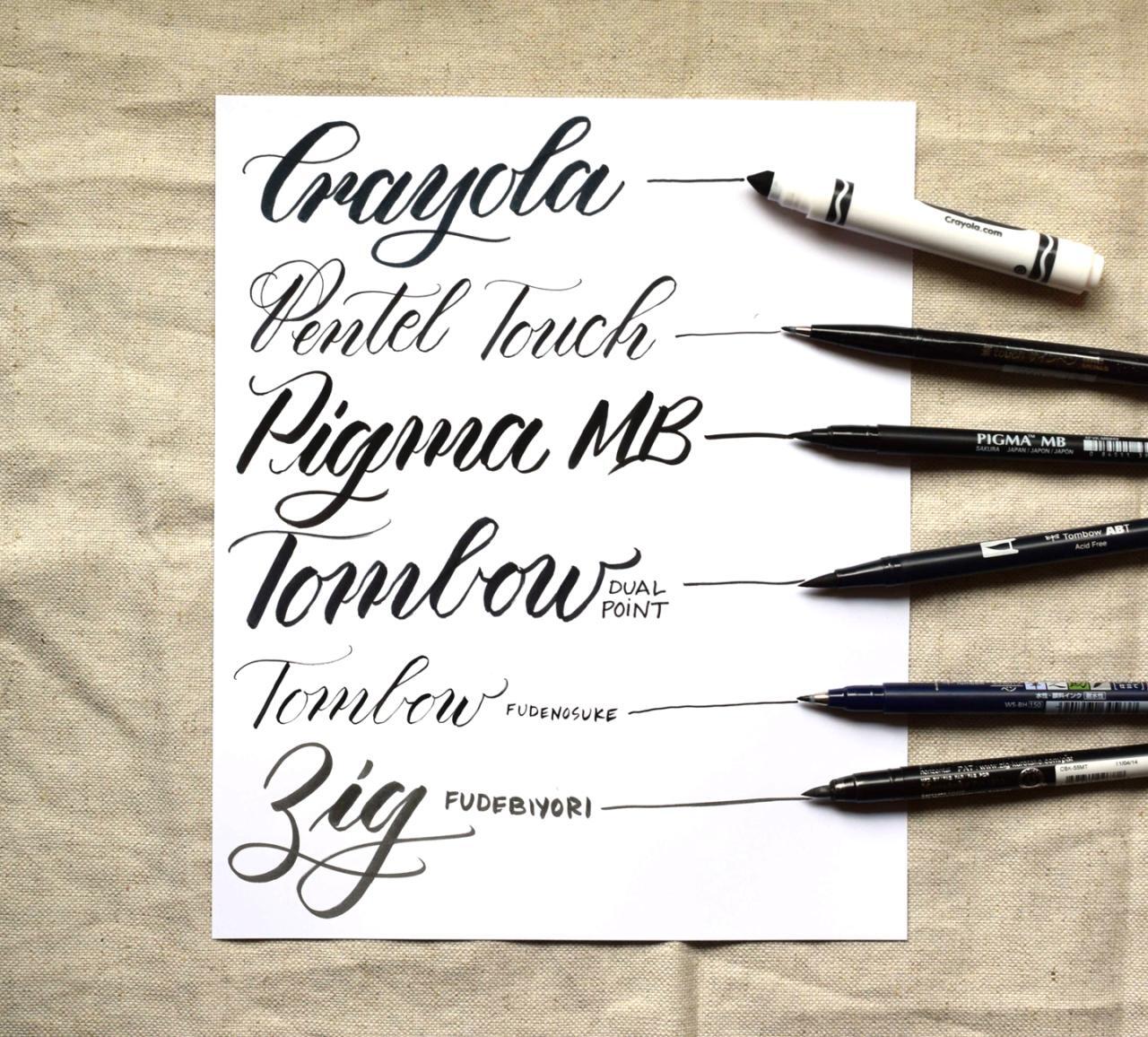
Various brush pens cater to different styles and preferences, making it essential to choose ones that best suit your calligraphy practice. Below are common types of brush pens and their features:
- Water-Based Brush Pens: These pens use water-based ink, which is easy to blend and ideal for beginners. Brands like Tombow Fudenosuke and Pentel Sign Pen are popular choices.
- Alcohol-Based Brush Pens: These provide vibrant colors and are suitable for more advanced techniques. Examples include Copic and Prismacolor markers.
- Felt Tip Brush Pens: Featuring a firmer tip, these pens allow for precise control and are great for detailed work. Examples include the Staedtler Triplus and Crayola Marker.
- Flexible Brush Pens: These pens have a softer tip, allowing for broad strokes and varied line widths, making them versatile for different styles.
Additional Materials to Enhance Brush Pen Calligraphy
While brush pens are the core tools, several additional materials can significantly improve your calligraphy experience. These items can help refine your skills and bring your artistic vision to life.
- Guideline Sheets: Pre-printed sheets with grids or guides help maintain consistent lettering size and angle, beneficial for beginners.
- Blending Tools: For those looking to create gradient effects, blending tools such as water brushes or blending markers can be helpful.
- Ink Refills: Some brush pens are refillable, allowing for continuous use without the need to purchase new pens frequently.
- Protective Sheets: Transparent sheets can be placed over your work to prevent smudging and protect the surface during practice.
- Online Resources and Tutorials: Various online platforms offer valuable resources, including videos and guides, to enhance your learning.
Basic Techniques for Beginners
Brush pen calligraphy is an art form that combines creativity with precision. As a beginner, mastering fundamental techniques is crucial to developing your unique style and ensuring your letters are both beautiful and legible. Understanding how to correctly apply pressure and execute strokes will lay the groundwork for more advanced techniques and flourishing styles.The essence of brush pen calligraphy lies in the contrasting thick and thin lines created by varying pressure on the brush pen.
A light touch produces thin lines, while applying more pressure results in thicker strokes. This principle is fundamental in creating the elegant forms of letters. Practicing basic strokes is essential before attempting to write complete letters, as they serve as the building blocks of your calligraphic skills.
Basic Strokes for Calligraphy Practice
Before writing full letters, it is imperative to practice basic strokes. These strokes help you understand how to control your brush pen effectively. Here are the fundamental strokes to start with:
- Upstroke: A light, quick stroke moving upward. This stroke is essential for creating the thin parts of letters.
- Downstroke: A slower, heavier stroke moving downward, creating the thick lines in letters.
- Overcurve: A rounded stroke that arches upwards, typically used in letters like ‘C’ and ‘O’.
- Undercurve: A stroke that curls downwards, used in letters like ‘u’ and ‘n’.
- Diagonal Stroke: A stroke made at an angle, crucial for letters such as ‘A’, ‘M’, and ‘V’.
Practicing these strokes will help establish muscle memory, which is essential for fluid writing. Aim for consistency in the thickness and angle of your strokes to create visually appealing letters.
Step-by-Step Guide for Practicing Individual Letters
Once you have become comfortable with basic strokes, you can start practicing individual letters. Here’s a step-by-step guide to help you form letters and connect them seamlessly:
1. Choose a Letter
Start with a simple letter such as ‘a’.
2. Break Down the Letter
Analyze the letter and identify the strokes involved. For ‘a’, you will need an undercurve and a downstroke.
3. Sketch the Strokes
Using your basic strokes, lightly sketch the individual strokes that compose the letter. Focus on the transition from one stroke to another.
4. Practice Repeatedly
Write the letter multiple times, ensuring that each repetition maintains consistent pressure and shape.
5. Connect Letters
After mastering individual letters, practice connecting them. For example, connect ‘a’ to ‘b’ to form the start of a word.
6. Create Simple Words
Start forming simple words using the letters you have practiced. Focus on maintaining smooth connections between letters.By following these steps, you will enhance your ability to write in a fluid and aesthetically pleasing manner, which is the hallmark of brush pen calligraphy.
Creating a Brush Pen Calligraphy Project
Embarking on a brush pen calligraphy project is a wonderful way for beginners to apply their skills and express their creativity. One simple yet impactful project idea is to create personalized greeting cards or inspirational quotes. These projects not only allow the practice of calligraphy techniques but also serve as meaningful gifts or home decorations that reflect individual styles.
For this project, it is essential to plan a layout that optimizes both the aesthetic appeal and functionality of the calligraphy work. Attention to spacing, alignment, and decoration will enhance the overall presentation of the piece. Below are the components to consider when designing your calligraphy project layout.
Layout Plan for Brush Pen Calligraphy Projects
When planning the layout of your greeting card or quote design, the following elements are crucial to ensure a visually pleasing result:
1. Center Alignment
Position the main text at the center of the card or paper. This technique draws the eye directly to the calligraphy.
2. Margins
Leave adequate margins around the edges of the card or project sheet. A typical margin is about 1 inch, which helps the text breathe and prevents it from appearing cramped.
3. Font Size Variation
Use different sizes for headings and subtext. For example, if you are writing an inspirational quote, emphasize key words by enlarging them or using a bolder style.
4. Spacing Between Lines
Ensure there is enough spacing between lines for readability. Generally, a spacing of 1.5 to 2 times the font size is recommended.
5. Decorative Elements
Incorporate simple illustrations or borders that align with the theme of your project. For instance, small floral designs or geometric patterns can complement the text without overwhelming it.
To enrich your project and make it truly one-of-a-kind, consider the following tips for personalization:
Personalizing Your Brush Pen Calligraphy Project
Adding a personal touch to your calligraphy project enhances its significance and uniqueness. Here are several ways to infuse your style into the design:
Select Meaningful Quotes
Choose quotes that resonate with your values or experiences. This adds emotional weight to the project, making it more special for both the creator and the recipient.
Color Palette
Opt for a color scheme that reflects your personality or the occasion. For example, soft pastels evoke a sense of calm, while bright colors may convey joy and energy.
Custom Illustrations
Include small sketches or decorative motifs that are personally significant. If you enjoy nature, for instance, small leaves or flowers can be a lovely addition.
Experiment with Styles
Don’t hesitate to mix different calligraphy styles or techniques throughout the project. This not only enhances visual interest but also allows you to showcase your evolving skill set.
Use Quality Materials
Choose high-quality paper and brush pens that resonate with your aesthetic preferences. The right materials can make a substantial difference in the final output, enhancing both texture and appearance.
By following these guidelines, beginners can create beautiful brush pen calligraphy projects that not only demonstrate their skills but also reflect their unique perspectives and creativity.
Common Mistakes to Avoid
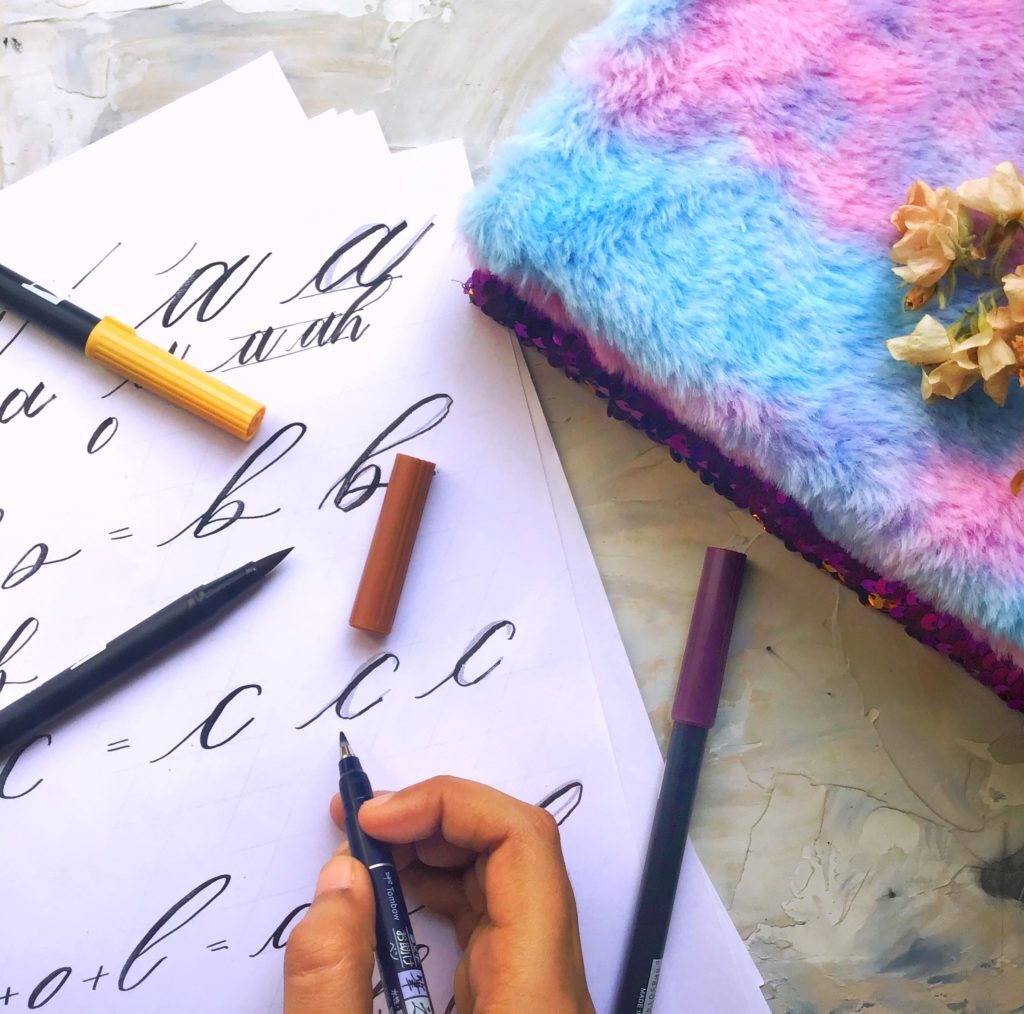
Embarking on the journey of brush pen calligraphy can be both exciting and challenging. As with any new skill, beginners often encounter common pitfalls that can hinder their progress. Recognizing these mistakes is the first step toward improvement and mastery of the craft.One frequent mistake among beginners is the inconsistency in pressure control when creating strokes. This can lead to uneven line thickness, which detracts from the overall aesthetic of the lettering.
Another common error is neglecting proper hand positioning and grip, which can result in discomfort and fatigue during practice. It is essential to remain aware of these aspects as they significantly influence the quality of your work.
Identifying Common Mistakes
Understanding the typical mistakes in brush pen calligraphy can help you navigate your learning process more effectively. Below are some prevalent errors that beginners should strive to avoid:
- Inconsistent Pressure: Failing to apply consistent pressure can lead to undesired variations in stroke width, detracting from the elegance of calligraphy.
- Poor Grip: Holding the brush pen too tightly or awkwardly can cause hand cramps and affect fluidity in writing.
- Ignoring Basic Strokes: Skipping practice on fundamental strokes may result in difficulties in composing letters smoothly.
- Inadequate Practice: Insufficient practice time can slow down progress and inhibit the development of muscle memory.
- Lack of Patience: Expecting immediate perfection can lead to frustration, hindering the enjoyment of the learning process.
Techniques to Correct Errors
When practicing brush pen calligraphy, it is essential to adopt techniques to correct errors effectively. Here are several strategies to enhance your practice sessions:
- Use Light Pencil Guidelines: Begin your practice by lightly sketching guidelines with a pencil to maintain consistent letter height and spacing.
- Focus on Pressure Control: Practice applying varying pressure through deliberate strokes to develop a feel for thick and thin lines.
- Take Breaks: Regular breaks can help prevent fatigue and allow for a fresh perspective on your work, promoting better corrections of any mistakes.
- Analyze and Adjust: After completing a piece, review your work critically to identify areas needing improvement, then focus on those specific elements during future practice.
Maintaining Patience and Persistence
Learning brush pen calligraphy is a gradual process that requires both patience and persistence. Developing these qualities is crucial to overcoming challenges and mastering the art.
“Success in calligraphy is not merely about achieving perfection; it is about enjoying the journey of learning and growth.”
To cultivate patience, set realistic goals for your practice. Break down your learning into manageable segments, and celebrate small achievements along the way. Emphasizing continuous improvement rather than perfection can alleviate pressure and encourage a more enjoyable experience. Additionally, consider joining a community or engaging with fellow learners. Sharing experiences and receiving constructive feedback can help keep motivation high and reinforce persistence in your practice.
Remember, every artist’s journey is unique, and embracing yours with an open heart will yield the most rewarding results.
Advanced Techniques and Styles

Once the foundational skills of brush pen calligraphy have been acquired, artists can explore a variety of advanced techniques and styles to enhance their work. These advanced methods not only allow for greater creative expression but also contribute to the development of a distinct personal flair in one’s calligraphy. By experimenting with various styles, calligraphers can find the unique voice that resonates with their artistic vision.Exploring different styles of brush pen calligraphy reveals a wide range of characteristics that can inform an artist’s approach.
Each style has its own set of rules, aesthetic qualities, and historical significance, allowing for a deeper appreciation of the art form. Mastering these styles can elevate a calligrapher’s work and broaden their artistic repertoire.
Different Styles of Brush Pen Calligraphy
Brush pen calligraphy encompasses several distinct styles, each characterized by unique letterforms and techniques. Understanding these styles is essential for artists aiming to refine their skills and express their individuality. The following are some prominent styles:
- Modern Calligraphy: This style emphasizes fluidity and creativity, allowing for personal expression. It often features varying letter heights and playful flourishes.
- Traditional Copperplate: Known for its elegance and formality, this style employs thin upstrokes and thick downstrokes, focusing on precise, consistent letterforms.
- Italic Calligraphy: With its slanted letterforms and graceful curves, italic calligraphy blends tradition with a contemporary flair, making it versatile for various applications.
- Brush Script: This style mimics the appearance of handwriting and is characterized by its spontaneous, flowing strokes. It often conveys a casual and approachable aesthetic.
- Gothic Calligraphy: Marked by its bold, angular letters, gothic calligraphy evokes a sense of history and grandeur. Its intricate details make it suitable for formal documents and decorative pieces.
Understanding these styles not only enhances a calligrapher’s versatility but also allows for an informed choice when it comes to selecting the right style for a particular project.
Developing a Personal Style
Cultivating a personal style in brush pen calligraphy is a significant milestone in an artist’s journey. This process often requires a blend of practice, experimentation, and introspection. Here are several strategies to assist in the development of a unique style:
- Study Influential Calligraphers: Analyzing the work of established calligraphers can provide inspiration and insight into various techniques and styles.
- Experiment with Variations: Altering aspects such as letter spacing, stroke weight, and flourishes can lead to the discovery of a personal aesthetic that feels authentic.
- Practice Regularly: Consistent practice helps refine skills and promotes confidence in one’s abilities, allowing for a more authentic expression of style.
- Incorporate Personal Elements: Integrating unique motifs, colors, or themes that resonate personally can help distinguish one’s work from others.
- Seek Feedback: Engaging with a community of calligraphers can provide valuable insights and critique, facilitating growth and refinement of style.
By thoughtfully engaging in these practices, calligraphers can develop a personal style that reflects their individuality and artistic vision, contributing to a richer and more rewarding calligraphy journey.
Resources for Further Learning

As you continue your journey into the art of brush pen calligraphy, utilizing various resources can significantly enhance your skills and understanding. Learning from diverse platforms provides you with different perspectives and techniques that can be invaluable for growth and mastery of this beautiful craft.Finding quality tutorials, courses, and literature not only helps solidify your foundation but also inspires creativity and innovation within your work.
Sharing and receiving feedback is equally important, as it fosters a sense of community and shared learning among enthusiasts.
Online Tutorials and Courses
Numerous online platforms offer tutorials and courses designed specifically for brush pen calligraphy. These resources cater to all skill levels, from beginners to advanced practitioners. Engaging with structured courses can provide a comprehensive learning experience.
- Skillshare: A subscription-based platform offering various courses from professionals, covering techniques, styles, and project ideas.
- Udemy: Provides a wide range of courses focusing on different aspects of brush pen calligraphy, often with lifetime access to course materials.
- YouTube: A plethora of free video tutorials available, featuring step-by-step instructions and tips from experienced calligraphers.
- Creativebug: Offers classes that focus on techniques, projects, and advice from skilled artists in the field.
Books and Guides
Books and guides are excellent resources that allow you to explore brush pen calligraphy in depth. They not only provide techniques but also insights into the artistic process and inspiration for your projects.
- “The Art of Brush Lettering” by Kelly Klapstein: A comprehensive guide that covers everything from basics to advanced techniques, complete with practice exercises.
- “Brush Pen Lettering” by Grace Song: A beautifully illustrated book that emphasizes the art of brush pen calligraphy with practical exercises and project ideas.
- “Modern Calligraphy: A Start Here Guide for the Beginner” by Caitlin Turner: This book introduces modern calligraphy techniques, making it easy for beginners to grasp essential skills.
- “Calligraphy Made Easy” by Rachael Willow: A great resource that combines brush pen techniques with traditional styles, making it suitable for diverse interests.
Calligraphy Communities
Joining calligraphy communities is crucial for fostering growth and receiving constructive feedback. These communities provide a supportive environment where you can share your work, ask for advice, and connect with other calligraphy enthusiasts.
- Facebook Groups: Many calligraphy-focused groups exist, where members frequently share their work, participate in challenges, and exchange tips.
- Instagram: Following hashtags such as #brushlettering and #calligraphy can connect you with a global community of artists showcasing their work and techniques.
- Local Workshops: Participating in local classes or workshops allows you to meet fellow calligraphers and gain hands-on experience while sharing your journey.
- Online Forums: Websites like Reddit and specialized forums provide spaces to discuss techniques, share resources, and seek feedback from a wide array of artists.
“The beauty of calligraphy lies not only in the strokes but in the community that shares the passion for this art form.”
Conclusive Thoughts
In conclusion, embarking on the adventure of brush pen calligraphy offers an enriching experience that blends art and mindfulness. By mastering fundamental techniques and exploring personal creativity, you can create stunning pieces that reflect your unique style. Embrace the learning process, connect with fellow enthusiasts, and remember that each stroke you make is a step toward becoming a skilled calligrapher.