Calligraphy is not just an art form; it is a beautiful blend of creativity and expression that elevates quotes into stunning visual statements. With roots tracing back to ancient civilizations, calligraphy has evolved significantly, serving as a means to convey messages artistically throughout history. Today, calligraphy quotes have found their place in home decor, adding a touch of elegance and personality to living spaces.
This guide aims to provide you with essential insights on designing a simple calligraphy quote suitable for framing, from selecting the perfect quote to the final presentation of your artwork. Whether you are a beginner or an experienced calligrapher, this resource will equip you with the knowledge to create captivating pieces that resonate with both you and your audience.
Introduction to Calligraphy Quotes
Calligraphy, regarded as a sophisticated art form, combines the visual elegance of writing with the thoughtful expression of words. The significance of calligraphy quotes lies in their ability to merge beauty with meaning, transforming simple phrases into impactful visual statements. This fusion of artistry and language allows quotes to resonate more deeply with viewers, enhancing their aesthetic appeal and emotional connection.The history of calligraphy dates back thousands of years, originating in ancient civilizations where writing was an essential means of communication and record-keeping.
From the stylized scripts of Egypt and Mesopotamia to the intricacies of Chinese calligraphy and the flourishing styles of the Islamic Golden Age, calligraphy has evolved through various cultures and eras. Each period contributed unique techniques and styles, reflecting the societal values and artistic preferences of its time. Today, modern calligraphy has embraced elements from these traditional forms while incorporating contemporary techniques and tools, making it accessible to a wider audience.The use of calligraphy quotes in home decor has become increasingly popular, as they serve as personal expressions of one’s beliefs, inspirations, and artistic tastes.
These quotes can adorn walls, be framed as standalone pieces, or even be incorporated into various decorative items. Their versatility allows them to complement a range of interior styles, from minimalist to eclectic, while fostering a warm and inviting atmosphere. Below are some common ways to incorporate calligraphy quotes into home decor:
Popular Uses of Calligraphy Quotes in Home Decor
Incorporating calligraphy quotes into home decor not only adds a personal touch but also enhances the overall ambiance of a space. The following points highlight the various methods of using calligraphy quotes effectively within a home setting:
- Wall Art: Framed calligraphy quotes can be displayed as focal points in living rooms, hallways, or bedrooms, providing inspiration and elevating the aesthetic of the area.
- Personalized Gifts: Custom calligraphy quotes make meaningful gifts for weddings, anniversaries, or housewarming events, allowing recipients to cherish personal messages in a beautifully crafted form.
- Functional Decor: Items such as throw pillows, mugs, or kitchen utensils can feature calligraphy quotes, merging utility with art for a stylish yet practical touch.
- Event Decor: Calligraphy can enhance the decor at special occasions, such as birthday parties or weddings, by featuring quotes on signage, place cards, or banners, creating a memorable atmosphere.
The integration of calligraphy quotes into home decor not only enhances the visual appeal but also fosters a sense of identity and personal connection within living spaces. Each piece tells a story, making the environment more reflective of individual values and aspirations.
Choosing the Right Quote
Selecting the appropriate quote is a foundational step in creating a meaningful calligraphy piece. An effectively chosen quote not only enhances the aesthetic appeal of the design but also resonates emotionally with the viewer. It is essential to consider various factors that contribute to the overall impact of the quote selected for calligraphy.The criteria for selecting a quote for calligraphy should encompass several important aspects.
A quote should be something that inspires, motivates, or conveys a deep truth. The connection between the phrase and the intended audience will significantly influence its effectiveness. Additionally, the quote should align with the intended purpose of the framed artwork, whether it is for personal inspiration, a gift, or decorative purposes.
Popular Themes for Quotes
When selecting a quote, themes play a crucial role in determining the emotional and aesthetic impact of the final piece. By narrowing down the theme, one can choose quotes that best resonate with their intentions. Below is a list of popular themes for quotes that are frequently used in calligraphy:
- Love: Quotes that express affection, romance, or familial bonds.
- Motivation: Uplifting phrases that encourage perseverance and determination.
- Nature: Inspirational sayings that celebrate the beauty and tranquility of the natural world.
- Friendship: Heartfelt messages that highlight the significance of companionship and support.
- Wisdom: Thought-provoking insights that offer guidance and reflection.
- Gratitude: Expressions of thankfulness and appreciation.
Understanding the theme allows for a more cohesive design that reflects the message of the quote.
Impact of Quote Length on Design
The length of the quote is another critical factor that influences the design of a calligraphy piece. Shorter quotes tend to allow for bolder design choices, such as larger font sizes or more intricate layouts, while longer quotes may require careful spacing and layout management to ensure readability. A
short, impactful quote
often creates a striking visual that captures attention, whereas a longer quote can invite contemplation and engagement from the viewer, albeit with more limitations on the decorative elements used in the design. It is important to balance the length of the text with the overall visual appeal and the intended message to ensure that the quote is not only beautiful but also effective.
Tools and Materials Needed

To create a beautifully framed calligraphy quote, it is essential to have the right tools and materials. The choice of instruments can significantly affect the quality and aesthetics of your work. This section will cover the necessary items, including various types of pens, inks, and paper suitable for calligraphy, as well as alternatives for both beginners and advanced practitioners.
Essential Tools for Calligraphy
Selecting the appropriate tools is crucial in achieving the desired results in calligraphy. The following list Artikels the fundamental instruments that every calligrapher should consider:
- Calligraphy Pens: Fountain pens, dip pens, and brush pens are the most commonly used types. Each offers different styles and line thicknesses. Fountain pens are convenient for continuous use, while dip pens allow for more versatility in ink flow and stroke variation.
- Inks: Pigment-based inks are recommended for their vibrancy and permanence. Water-based inks are easier to clean but may not be as durable. Consider using archival inks that resist fading over time.
- Guideline Paper: Paper with pre-printed guidelines assists in maintaining consistent letter size and slant. This is particularly helpful for beginners.
- Ruler and Pencil: A ruler helps to create straight lines for layout and spacing, while a pencil can be used to lightly sketch out designs before committing to ink.
Choosing the Right Paper for Framing
The choice of paper can greatly influence the overall presentation of your calligraphy quote. High-quality paper not only enhances the visual appeal but also ensures durability. When selecting paper for framing, consider the following specifications:
- Weight: Look for paper that is at least 200 gsm (grams per square meter) for sufficient thickness to prevent warping when framed.
- Texture: Smooth or slightly textured papers are ideal for calligraphy. Smooth papers allow for clean strokes, while textured ones can add character to the finished piece.
- Color: White or off-white papers provide excellent contrast for dark inks, while colored papers can create a more unique background but should be chosen carefully to complement the ink color.
- Acid-Free: Ensure the paper is acid-free to prevent yellowing and degradation over time, preserving your artwork for years to come.
Alternative Materials for Beginners and Advanced Practitioners
While traditional calligraphy supplies provide the best results, there are alternative materials available that cater to various skill levels and financial considerations. Here are some suggestions:
- Beginners: Simple gel pens or felt-tip pens can serve as an introduction to calligraphy without a large investment. These pens are user-friendly and come in various colors.
- Surfaces: For practice, consider using inexpensive printer paper or even recycled paper. This allows beginners to hone their skills without the pressure of using premium materials.
- Advanced Practitioners: Experimenting with specialty papers, such as handmade or textured varieties, can elevate the artwork. Additionally, using high-end brush markers specifically designed for calligraphy can enhance control and flexibility in strokes.
“Selecting the right tools and materials is essential in elevating your calligraphy art to a professional level.”
Designing Your Calligraphy Quote
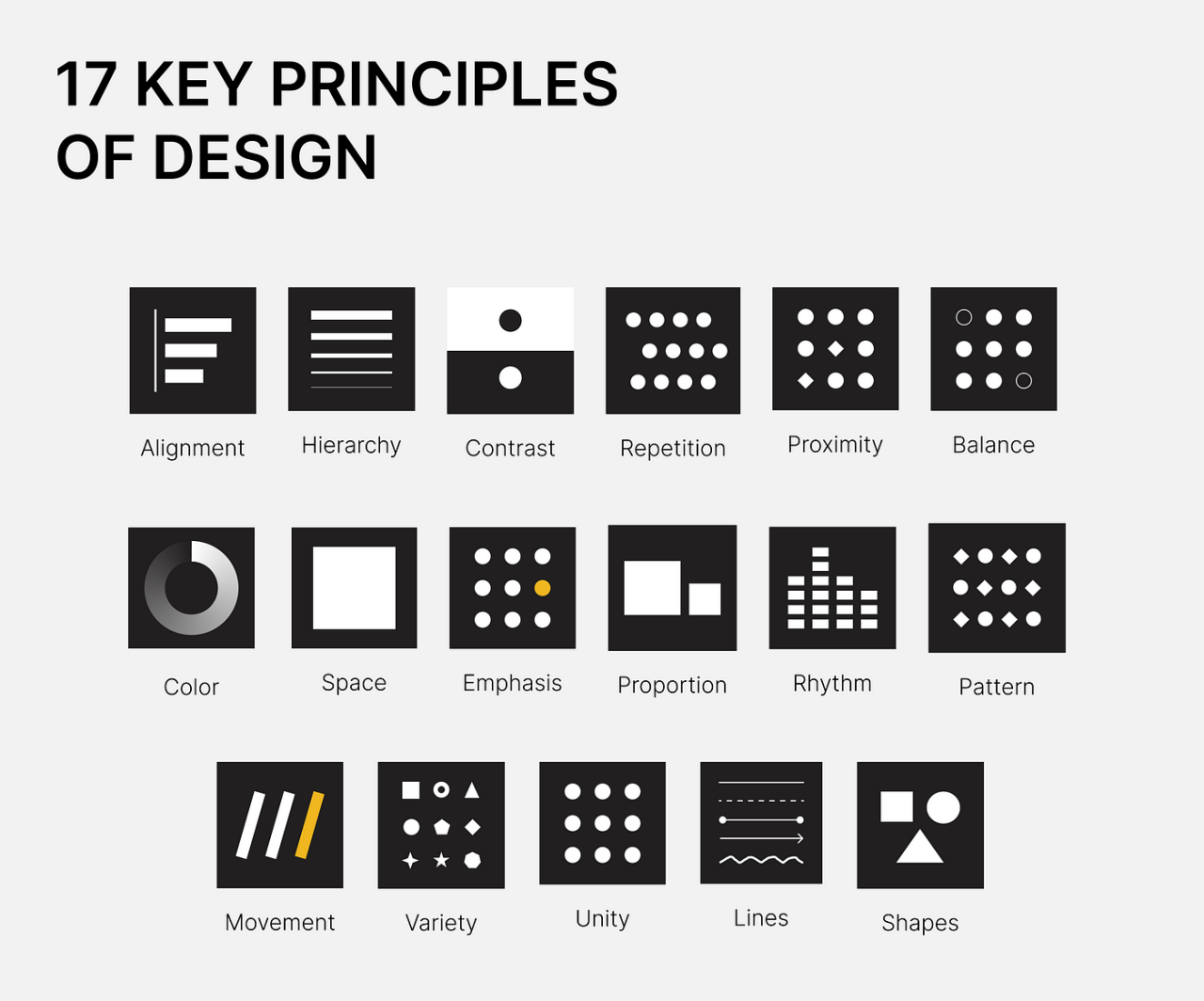
Designing a calligraphy quote involves a thoughtful approach to ensure that the final piece is visually appealing and effectively conveys the intended message. This process begins with planning and layout sketching, followed by careful selection of fonts and styles that harmonize with the quote’s theme. Additionally, incorporating decorative elements enhances the overall aesthetic, making the artwork even more engaging.Before inking your calligraphy, it is vital to Artikel a layout that serves as a guiding framework.
This preliminary step can save time and prevent mistakes during the inking process. The following steps provide a clear direction for sketching your layout:
Sketching a Layout Before Inking
Creating a layout is essential in visualizing how the quote will appear on the final piece. Consider these steps to effectively sketch your design:
1. Choose Your Canvas Size
Determine the dimensions of your paper or canvas, as this will impact the overall layout and design.
2. Draft Basic Guidelines
Lightly draw horizontal and vertical lines to create a grid. This grid will help maintain proper alignment and spacing between letters and words.
3. Place the Quote
Write out your chosen quote in pencil, focusing on the placement of each word. Experiment with different arrangements to find a composition that feels balanced.
4. Adjust Spacing
Pay attention to the spacing between letters, words, and lines. Consistent spacing contributes significantly to the overall legibility and aesthetic of the piece.
5. Add Decorative Elements
Incorporate designs such as flourishes or borders during the sketching phase. Position these elements thoughtfully to enhance the quote without overwhelming it.
Selecting Fonts and Styles
Choosing the right fonts and styles plays a crucial role in expressing the essence of the quote. The selected typography should resonate with the message while also complementing the overall design. Here are some considerations for font selection:
Match the Tone of the Quote
For a heartfelt quote, consider using a script font that conveys warmth. A more formal quote may benefit from a serif font, providing elegance and structure.
Contrast and Complement
Utilize different font styles for emphasis. For example, you can pair a bold script for the main message with a simple sans-serif for attribution to create visual interest.
Readability
Select fonts that are easy to read at a distance if the final piece will be framed and displayed. Avoid overly intricate fonts that may confuse the viewer.
Experiment with Hand Styles
If you are writing by hand, explore various calligraphic styles. Consider practicing different strokes, angles, and flourishes that can add flair to your lettering.
Incorporating Decorative Elements
Adding decorative elements to your calligraphy quote can elevate its visual impact. These embellishments should enhance rather than distract from the main message. Here are some methods to integrate decorative elements effectively:
Flourishes
Introduce flourishes at the beginning or end of the quote to frame the text. These curves and swirls can add a sense of movement and elegance.
Borders
Design a border around your quote to provide a finished look. A simple line border can add sophistication, while a more intricate design can create a whimsical feel.
Illustrations
Consider drawing simple illustrations or icons that relate to the quote. For instance, a small vine or floral illustration can complement a quote about nature, enhancing its thematic relevance.
Color Accents
Utilize color to highlight specific words or decorative elements. A subtle color palette can unify the piece, while bold colors can draw attention to key phrases.By thoughtfully executing these steps, you will create a beautifully designed calligraphy quote that not only captures the essence of the message but also serves as a stunning piece of art suitable for framing.
Techniques for Calligraphy Writing

Calligraphy is more than just writing; it is a beautiful art form that combines creativity with technique. Understanding various calligraphy styles and mastering basic strokes are essential steps in achieving fluidity and consistency in lettering. This section delves into the distinct styles of calligraphy, provides a guide for beginners to practice basic strokes, and offers tips for enhancing writing quality.
Calligraphy Styles and Their Features
Familiarizing oneself with different calligraphy styles is crucial for selecting the right approach for your project. Below are some popular styles and their key characteristics:
- Italic: This style is characterized by its slanted letters and elegant, flowing lines. It emphasizes the contrast between thick and thin strokes, achieved through the use of a broad-tipped pen.
- Cursive: Cursive calligraphy features connected letters, making it ideal for informal and personal pieces. The letters are usually written in a continuous motion, which adds a sense of fluidity and speed.
- Modern: This contemporary style often combines traditional calligraphy elements with artistic flair. It allows for creativity and personalization, often incorporating varying letter sizes and unconventional layouts.
Step-by-Step Guide on Practicing Basic Strokes
For beginners, mastering basic strokes is foundational in calligraphy. Here is a step-by-step guide on how to practice these strokes effectively:
- Begin with the upstroke: Use light pressure as you draw vertical lines upwards. This helps in achieving the desired thinness characteristic of calligraphy.
- Practice the downstroke: Apply more pressure while drawing downward lines to create thicker strokes. This contrast is essential in calligraphy.
- Work on curved strokes: Practice drawing curves both clockwise and counterclockwise to develop control and fluidity. These strokes are prevalent in many styles.
- Combine strokes: Gradually connect upstrokes and downstrokes to form letters. Practice forming the letters of the alphabet using these basic strokes.
Tips for Achieving Consistency and Fluidity in Lettering
Consistency and fluidity in calligraphy can significantly enhance the overall appearance of your work. Here are some practical tips to achieve these qualities:
- Maintain a steady hand: Ensure that your grip on the pen is comfortable, allowing for smooth movement across the page. A relaxed hand contributes to fluid strokes.
- Use guidelines: Drawing light lines on your paper can help maintain uniformity in letter height and slant, preventing letters from becoming distorted.
- Practice regularly: Consistent practice is key to improvement. Set aside time each day to refine your strokes and experiment with different styles.
- Observe professional work: Studying examples from experienced calligraphers can provide inspiration and insight into achieving desired effects.
“Calligraphy is the art of giving form to signs in an expressive, harmonious, and skillful manner.” – Hermann Zapf
Framing Your Calligraphy Work

Framing your calligraphy art is a crucial step in the presentation process, ensuring that your beautifully crafted quotes are displayed in an aesthetically pleasing and protective manner. The right frame not only enhances the visual appeal but also protects the artwork from damage over time.Selecting a suitable frame involves considering various elements such as size, color, and style that complement your calligraphy piece.
The frame should harmonize with the design and the environment where it will be displayed, whether it’s a home, office, or gallery setting. A well-chosen frame can elevate the overall impact of your artwork, making it a focal point in any room.
Choosing the Right Frame
When selecting a frame for your calligraphy, it’s essential to keep in mind its dimensions, material, and design style. A frame that fits well will enhance the aesthetics of your piece and ensure it is securely held in place. Here are key factors to consider:
- Frame Size: Ensure the frame matches the dimensions of your calligraphy piece. A frame that is too large or too small can detract from the artwork.
- Material: Frames come in a variety of materials, from wood to metal to plastic. Choose a material that aligns with the theme of your calligraphy.
- Design Style: Consider whether a modern, traditional, or ornate frame best fits the style of your calligraphy. A simple frame often works well for intricate designs, while a decorative frame can enhance more minimalist pieces.
Matting Options
Matting is an important component in framing that provides a border between the artwork and the frame itself. This not only enhances visual appeal but also protects the artwork from touching the glass, which can lead to damage over time. The benefits of matting include:
- Visual Separation: Matting creates a visual buffer that draws attention to your calligraphy, allowing it to stand out.
- Protection: By keeping the artwork away from the glass, matting helps prevent moisture and dust from accumulating on the surface of the calligraphy.
- Customizable Appearance: You can choose mat colors that complement or contrast with your art, allowing for personal expression in the framing process.
Mounting Your Calligraphy Piece
Securely mounting your calligraphy piece is essential to ensure it remains intact and visually appealing over time. There are several effective methods for mounting, which include:
- Using Acid-Free Tape: This type of tape is designed to be safe for archival materials and can be used to attach the artwork to the mat. Ensure that the tape is not visible once framed.
- Hinging: Hinging involves using small pieces of tape to attach the artwork at the top, allowing it to hang freely within the frame. This method can accommodate shrinkage and expansion due to environmental changes.
- Backing Board: A sturdy backing board provides support and stability for your calligraphy, preventing it from bending or warping over time. Acid-free boards are recommended to avoid damage to the artwork.
By carefully selecting the right frame, matting, and mounting methods, you can ensure that your calligraphy quotes are not only beautifully displayed but also preserved for years to come.
Displaying Calligraphy Quotes in Your Space

Displaying calligraphy quotes in your home or office can significantly enhance the aesthetics of your space while providing daily inspiration. Thoughtfully placed calligraphy artwork can serve as a unique focal point or add a touch of elegance to any room. This section explores various ideas for effectively showcasing your quotes, the impact of lighting on presentation, and tips for arranging multiple pieces to create a cohesive gallery style.
Ideas for Display Locations
Consider these strategic locations in your home or office where calligraphy quotes can flourish:
- Living Room: The living room is an ideal space for larger pieces that can be prominently displayed over a sofa or mantelpiece, creating a welcoming atmosphere for guests and family alike.
- Home Office: Displaying quotes related to motivation and success can enhance productivity and focus in your workspace. A well-placed piece can serve as a daily reminder of your goals.
- Entryway: Welcome guests with a charming quote by positioning it near the entrance. This sets a positive tone for all who enter your home.
- Bedroom: Choose soothing quotes that inspire relaxation and positivity. Placing them above your bed or on a bedside table can create a serene environment.
- Kitchen: A whimsical or food-related quote can add charm to your kitchen space, making it feel more inviting and lively.
Impact of Lighting on Calligraphy Presentation
Lighting plays a crucial role in how calligraphy quotes are perceived. Optimal lighting enhances the beauty of your artwork and draws attention to the intricate details of the lettering. Here are several factors to consider when setting up your display:
- Natural Light: Position your calligraphy quotes near windows to take advantage of natural light. However, be cautious of direct sunlight, which can cause fading over time.
- Artificial Lighting: Use soft, warm lighting to highlight your pieces. Accent lights or picture lights can add a dramatic effect, illuminating the details without harsh glare.
- Shadow Play: Consider the way shadows interact with your quotes. Shadows can create depth and dimension, adding to the overall aesthetic.
Arranging Multiple Quotes in Gallery Style
Creating a gallery wall with multiple calligraphy quotes can transform a blank space into a personal showcase of inspiration. Follow these tips for an effective arrangement:
- Theme and Color Palette: Select quotes that share a common theme or color scheme to create visual harmony. This could be a specific color of the frame or a consistent font style.
- Grid Layout: For a clean and organized look, consider a grid layout where frames are evenly spaced and aligned. This approach works well for quotes of similar sizes.
- Eclectic Mix: If you prefer a more casual approach, mix different sizes and frame styles. This creates an inviting and personalized gallery feel, showcasing your unique taste.
- Spacing: Maintain uniform spacing between each piece to allow the individual quotes to breathe while still feeling connected as a cohesive display.
- Focal Point: Choose one piece as the focal point of your display. Position it slightly above eye level to draw attention, and arrange other quotes around it to complement the design.
Caring for Your Framed Calligraphy
To preserve the beauty and integrity of your framed calligraphy artworks, it is essential to implement proper care and maintenance strategies. These guidelines will help ensure that your cherished pieces remain vibrant and intact over time.The longevity of your calligraphy artwork greatly depends on the environment in which it is displayed as well as the care it receives. Here are some essential considerations and practices to maintain the integrity of your pieces.
Avoiding Direct Sunlight and Humidity
Direct sunlight can cause fading and discoloration of the inks and paper used in calligraphy, while high humidity can lead to mold growth and warping of the materials. Maintaining a stable environment is crucial.
Location
Place your framed calligraphy in areas that do not receive direct sunlight. Ideally, choose walls that are shaded or have limited exposure to the sun, such as north-facing walls.
Humidity Control
Aim for a humidity level between 30% and 50%. Using a dehumidifier in damp environments can help maintain these levels. Consider using silica gel packets in the vicinity to absorb moisture.
Cleaning Tips for Glass and Frame
Regular cleaning of the glass and frame not only enhances the visual appeal of your calligraphy but also prevents dust and debris from accumulating, which can damage the artwork. Following appropriate methods for cleaning is vital to avoid unintentional damage.
Glass Cleaning
Use a soft, lint-free cloth to gently wipe the glass surface. A mixture of water and a small amount of mild dish soap can be used for stubborn stains. Avoid ammonia-based cleaners as they may harm the artwork.
Frame Maintenance
Wooden frames can be wiped with a dry cloth or a slightly damp cloth, depending on the finish. Avoid using harsh chemicals that can strip the finish or damage the frame material.
“Proper care ensures that your calligraphy remains a lasting work of art for generations to admire.”
By adhering to these guidelines, you can effectively maintain your framed calligraphy, allowing you to enjoy its beauty for years to come.
Concluding Remarks
In conclusion, designing a simple calligraphy quote for framing is a rewarding endeavor that allows for personal expression and creativity. By following the steps Artikeld in this guide, you can create eye-catching pieces that not only enhance your home or office but also inspire those who encounter them. Embrace the art of calligraphy, and let your words come to life through elegant designs that tell your unique story.