Exploring How to Create Consistent Thickness in Your Strokes invites artists and designers to appreciate the essential role that uniformity in stroke thickness plays in enhancing the beauty and coherence of visual art. Mastering this skill not only elevates the overall composition but also contributes significantly to the viewer’s experience, making it vital for any serious artist to understand.
This guide addresses the common challenges faced by artists in maintaining stroke consistency and presents effective techniques, tools, and exercises designed to support individuals at varying skill levels. By delving into both traditional and digital mediums, we aim to equip you with the knowledge and resources needed to achieve striking and consistent results in your artwork.
Understanding Stroke Consistency
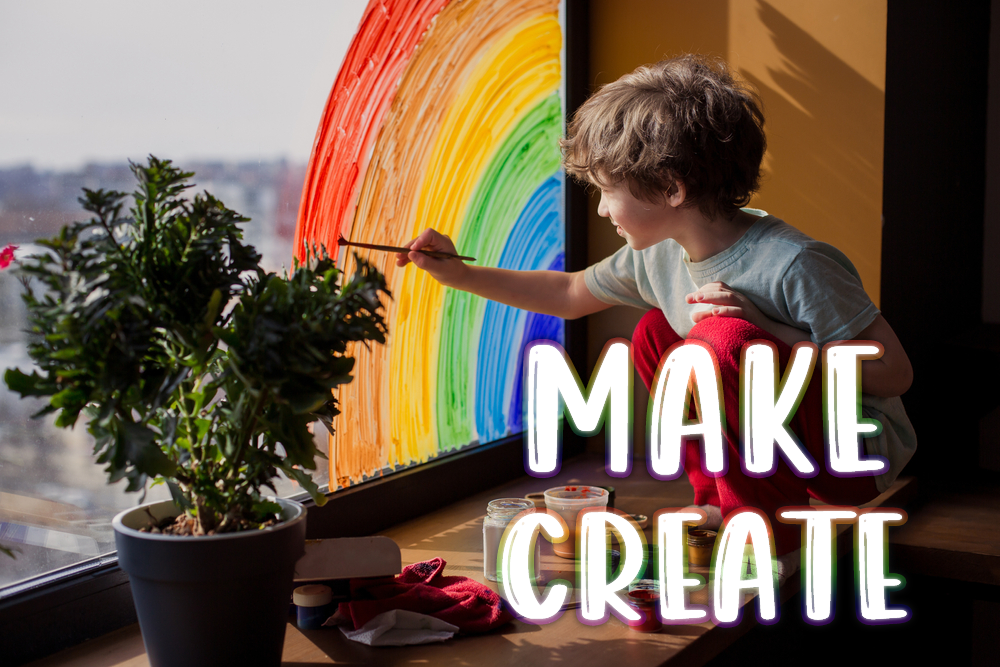
In the realms of art and design, stroke consistency plays a fundamental role in the creation of visually appealing works. This concept refers to the uniformity in thickness of lines used in illustrations, graphics, and designs. Mastering stroke consistency can greatly enhance an artist’s or designer’s ability to convey emotions, establish hierarchy, and guide viewers through their work.Consistent stroke thickness contributes significantly to the visual appeal of a composition.
It creates a sense of coherence and professionalism, allowing elements within a design to interact harmoniously. When strokes vary too widely in thickness, it can disrupt the viewer’s experience, drawing attention away from the intended focal points. This inconsistency can lead to confusion, detracting from the overall message that the artwork seeks to convey.
Challenges in Maintaining Stroke Consistency
Artists often encounter various challenges when striving for stroke consistency. Understanding these obstacles is crucial for improvement and mastery. Below are several common difficulties faced by artists:
- Pressure Sensitivity: Variations in hand pressure can lead to uneven strokes. Artists must develop control over their tools to maintain a steady hand, particularly when working with traditional mediums like ink or paint.
- Tool Selection: The choice of tools—brushes, pens, or digital styluses—can impact stroke thickness. Different mediums may require specific techniques to achieve uniformity in stroke width.
- Technique Variability: Inconsistent application of techniques, such as brushstrokes or digital rendering methods, can result in uneven line thickness. Consistent practice and refined techniques are essential to overcome this issue.
- Fatigue: Prolonged drawing sessions can lead to hand fatigue, affecting an artist’s ability to maintain a steady stroke. Taking regular breaks can help mitigate this problem.
Through awareness of these challenges, artists and designers can develop strategies to enhance their stroke consistency, leading to a more polished and cohesive final product.
Techniques for Achieving Consistent Thickness
Achieving consistent stroke thickness is essential for creating polished and professional artwork, whether in traditional or digital mediums. Various techniques can be employed to ensure that your strokes maintain uniformity, enhancing the overall quality of your work. Understanding and mastering these techniques is crucial for artists aiming to refine their craft.In both traditional and digital mediums, there are specific methods that can help maintain uniform stroke thickness.
These techniques range from the tools and materials used to specific practices that can be incorporated into the drawing process.
Traditional Techniques
When working with traditional mediums such as pencils, ink, and brushes, specific techniques can significantly influence stroke consistency. Here are some common methods:
1. Pressure Control
Maintaining a steady grip and applying consistent pressure allows the artist to produce strokes of uniform thickness. Practice varying the pressure on a practice sheet to become familiar with how it affects line width.
2. Pencil Sharpness
Using sharpened pencils ensures that the tip produces a fine line. Regularly sharpening pencils can help maintain consistent thickness.
3. Brush Techniques
For brushwork, the angle and amount of paint on the brush can dramatically change stroke thickness. Practice using the same brush size and load it evenly for consistent results.
4. Ruler or Templates
Utilizing rulers, stencils, or templates can aid in creating straight lines or uniform shapes that require consistent thickness.
Digital Techniques
In digital art, achieving consistent stroke thickness often involves the use of specific software tools and settings. The following techniques can help:
1. Brush Settings
Most digital art software allows for the adjustment of brush settings. Artists can customize the size, hardness, and opacity of the brush to achieve uniform strokes.
2. Stabilization Features
Many digital programs include stabilization features that smooth out strokes, ensuring a more consistent line.
3. Pressure Sensitivity
Artists should utilize a tablet with pressure sensitivity to control stroke thickness. Adjusting the pressure settings in the software can help create more uniform strokes.
4. Vector Drawing Tools
Using vector-based software allows for more control over stroke thickness. Curves and lines can be easily adjusted after they are drawn, ensuring consistent results.
Tools and Materials for Maintaining Stroke Consistency
The tools and materials used in art can significantly impact the ability to produce consistent stroke thickness. Here is a list of essential tools to consider:A selection of appropriate tools and materials can facilitate the maintenance of consistent stroke thickness, enhancing artistic outcomes.
- Graphite Pencils: Various grades for different thicknesses.
- Fine Liners: Available in different widths for even ink application.
- Brushes: Different shapes and sizes, particularly those designed for fine detail work.
- Rulers: For straight lines and precise measurements.
- Digital Tablets: With pressure sensitivity for better control.
- Stabilization Software: Programs that enhance stroke smoothness.
Practicing Consistent Strokes in Drawing
Practicing consistency in strokes is essential for artists looking to enhance their skills. Here are step-by-step procedures to help achieve uniform stroke thickness:
1. Warm-Up Exercises
Start with simple warm-up lines and curves. Practice drawing straight lines, circles, and loops to familiarize yourself with the feel of the medium.
2. Set Guidelines
On your practice sheet, lightly draw guidelines to help maintain uniformity in stroke direction and length.
3. Practice Pressure Variation
Experiment with different levels of pressure to observe how it affects stroke thickness. Aim to make strokes of the same width by controlling pressure.
4. Steady Hand Movement
Focus on maintaining a steady hand movement while drawing. Consider using your whole arm instead of just your wrist for longer strokes.
5. Monitor Results
After practicing, review your strokes, noting areas where consistency can be improved. Make adjustments to your technique based on observations.
6. Repeat the Process
Regular practice is key. Aim to repeat these exercises frequently to develop muscle memory and achieve consistent results.
“Consistency in stroke thickness can greatly enhance the clarity and professionalism of artwork.”
Tools and Tools Adjustments

Achieving consistent stroke thickness is paramount in both traditional and digital art. The right tools and their adjustments play a crucial role in ensuring that artists can maintain uniformity throughout their work. In this section, we will explore various brushes and pens, the impact of pressure adjustments, and the importance of software settings in digital artwork.
Types of Brushes and Pens
Different brushes and pens are designed to create specific effects and can significantly influence stroke consistency. The following tools are essential for artists aiming for uniform thickness:
- Round Brushes: These brushes are versatile and can create both fine lines and broad strokes. Their flexibility allows for a variety of techniques, making them popular among illustrators.
- Flat Brushes: With a rectangular shape, flat brushes produce bold, consistent strokes. They are particularly useful for creating sharp edges and defined lines.
- Brush Pens: These pens offer the flexibility of brush strokes with the precision of a pen. Many brush pens have flexible tips that respond to pressure, allowing for variable stroke thickness.
- Fineliner Pens: These pens provide consistent line widths, ideal for detailed work where uniformity is crucial. They are perfect for technical illustrations or comic art.
- Digital Brushes: In digital art software, brushes can be customized to mimic traditional brushes. Artists can adjust settings for size, opacity, and hardness to achieve desired stroke thickness.
The choice of brush or pen will affect the overall visual style and consistency of the artwork. Selecting the right tool is crucial for achieving the desired outcome.
Pressure Adjustment Effects
Adjusting pressure while using tools can create significant variations in stroke thickness, especially in brushes and brush pens. The pressure applied directly correlates with the line width produced. The following points illustrate this correlation:
- Increased Pressure: Applying more pressure generally results in thicker strokes, allowing artists to create emphasis and depth in their work.
- Light Pressure: Conversely, using less pressure creates finer, more delicate lines, which can enhance detail and softness in the artwork.
- Variability: Some tools, like brush pens, are designed to react dynamically to pressure changes, resulting in a natural flow that can enhance the expressiveness of strokes.
- Consistency Challenges: While adjusting pressure can create beautiful variations, it can also lead to inconsistency if not practiced adequately. Artists must develop a steady hand and awareness of their pressure application.
Understanding how pressure affects stroke thickness allows artists to manipulate their tools more effectively, leading to a more refined artistic expression.
Software Settings for Stroke Consistency
In digital art, software settings play a critical role in maintaining stroke consistency. Various features allow artists to control how their strokes are rendered, ensuring a uniform appearance. The following settings are essential for achieving consistency:
- Brush Settings: Most digital art programs allow users to customize brush settings, including size, hardness, and opacity. Adjusting these parameters can help achieve consistent stroke thickness.
- Stabilization Features: Many software tools offer stabilization options that smooth out strokes, reducing jitter and inconsistencies caused by hand movement.
- Pressure Sensitivity: Enabling pressure sensitivity settings allows for dynamic stroke adjustments based on how firmly the artist presses their stylus, resulting in more nuanced lines.
- Grid and Guidelines: Utilizing grid and guideline features can help artists maintain alignment and proportion, contributing to a uniform appearance in their strokes.
By understanding and utilizing these software features, artists can enhance their control over stroke consistency, resulting in polished and professional-looking artwork.
Practical Exercises
To enhance stroke consistency, a structured practice routine tailored to various skill levels is essential. Engaging in regular exercises can significantly improve an artist’s ability to maintain a uniform thickness in their strokes, which is vital for achieving professional-quality artwork. This section provides a series of targeted exercises that cater to both beginners and advanced artists, ensuring a comprehensive approach to mastering stroke consistency.Developing stroke consistency requires focused practice.
The following exercises are designed to address different aspects of stroke control, allowing artists to refine their techniques and tools. Each exercise is categorized by skill level, ensuring that all artists can find suitable practices to enhance their skills effectively.
Exercises for Stroke Consistency
The following table Artikels a variety of exercises aimed at improving stroke consistency, categorized by skill level and required tools. Each exercise is designed to tackle specific challenges associated with maintaining consistent stroke thickness.
| Skill Level | Exercise | Required Tools |
|---|---|---|
| Beginner | Line Practice: Draw straight lines, varying the pressure to experiment with thickness. | Pencil or Fine-Tip Pen |
| Beginner | Stroke Patterns: Create a series of parallel lines and shapes, focusing on uniformity. | Marker or Brush Pen |
| Intermediate | Shadowing: Practice creating shadows with varying stroke thicknesses to enhance depth. | Pencil, Charcoal, or Brush |
| Intermediate | Contour Drawing: Artikel objects with consistent stroke thickness, adjusting pressure as needed. | Graphite Pencil or Ink Pen |
| Advanced | Dynamic Strokes: Create a series of strokes that transition from thick to thin, focusing on fluid motion. | Brush with Varying Bristle Thickness |
| Advanced | Calligraphy Practice: Experiment with different calligraphic styles while maintaining stroke consistency. | Calligraphy Pens or Brush Pens |
Incorporating these exercises into a regular practice routine can significantly improve an artist’s control over stroke thickness. For optimal results, artists are encouraged to dedicate specific time each week to focus on these exercises, gradually increasing complexity as they become more proficient.
“Consistent practice is the cornerstone of mastering stroke control, allowing artists to confidently express their creativity.”
Analyzing Successful Techniques
In the realm of art, the mastery of stroke consistency plays a pivotal role in the overall aesthetic and effectiveness of a piece. Numerous artists have successfully harnessed techniques that allow them to maintain a consistent stroke thickness, resulting in distinguished styles and resonating visual impacts. Observing their methods can provide valuable insights into how stroke consistency can be achieved across various artistic disciplines.The analysis of successful artists reveals that stroke consistency is not merely a matter of technique but also an integration of tools, styles, and individual flair.
Different artistic styles approach stroke consistency in unique ways, influenced by their respective objectives and mediums. Below are some key examples of artists known for their consistent stroke thickness, along with an exploration of their techniques:
Examples of Artists Demonstrating Stroke Consistency
Several renowned artists exemplify the skill of maintaining consistent stroke thickness, which significantly contributes to their signature styles:
- John Stevens (Calligrapher): Jon Stevens is celebrated for his precise calligraphic strokes. His technique often involves the use of pointed brushes which allow for varying pressure and angle to ensure each stroke remains consistent in thickness. A crucial aspect of his work is the practice of rhythm in hand movements, which he meticulously develops through repetitive exercises.
- Yayoi Kusama (Contemporary Artist): Yayoi Kusama’s dot paintings showcase a remarkable consistency in stroke thickness. Through the use of brushes and meticulous layering techniques, Kusama achieves a uniformity that captivates viewers. Her approach emphasizes patience and repetition, ensuring that each dot aligns perfectly with her vision.
- Andrew Loomis (Illustrator): Loomis, known for his instructional art books, emphasized the importance of controlled strokes in illustration. He advocated for the use of the right tools and the adjustment of grip pressure to maintain stroke uniformity, which is critical for achieving depth and dimension in illustrations.
The methods employed by these artists highlight a combination of tool selection, hand control, and the importance of practice in achieving stroke consistency. Each artist’s unique style demonstrates that while the techniques may vary, the underlying principle of maintaining a steady hand is paramount.
Approaches to Stroke Consistency across Different Styles
Different artistic styles approach stroke consistency with varying techniques and tools, tailored to suit their unique expressions. The following Artikels how distinct disciplines utilize stroke consistency:
- Calligraphy: In calligraphy, stroke consistency is essential for creating harmonious lettering. Artists often rely on specialized nibs and brushes, adjusting the angle and pressure to achieve uniformity in thickness. Techniques such as ‘upstroke’ and ‘downstroke’ allow for contrasting thicknesses while maintaining an overall cohesive look.
- Illustration: Illustrators often use pens and brushes that allow for precision in stroke manipulation. Techniques such as layering and cross-hatching require consistent stroke thickness to create depth and texture, significantly impacting the visual outcome of the illustration.
- Painting: In painting, achieving consistent stroke thickness can vary depending on the medium. For example, oil painters may use palette knives and brushes that lend themselves well to thick application, while watercolor artists may rely on dilution techniques to control stroke uniformity. The choice of medium inherently affects the consistency achieved.
The distinction in approach across these styles underlines the versatility of stroke techniques, each adapted to fulfill the specific aesthetics and characteristics of the medium being employed.
Visual Outcomes of Stroke Consistency
The visual outcomes of artwork can dramatically differ based on the consistency of strokes applied. When stroke consistency is achieved, the resulting artwork often displays a polished and professional quality. This cohesiveness enhances the viewer’s overall experience and understanding of the piece.
- Achieved Consistency: Artwork with consistent stroke thickness creates a sense of harmony and balance, allowing the viewer to focus on the subject matter without distraction. For instance, in a calligraphic piece, consistent strokes lead to legibility and beauty in the lettering.
- Lack of Consistency: Conversely, inconsistency in stroke thickness can lead to a disjointed appearance, where the viewer may struggle to interpret or appreciate the artwork fully. For instance, in an illustration, uneven strokes may disrupt the flow and rhythm, making the piece appear chaotic or unfinished.
In summary, the careful analysis of artists who exemplify stroke consistency, alongside the exploration of methods across various artistic styles, underscores the importance of this technique. The visual outcomes serve as a testament to the effectiveness of maintaining consistent stroke thickness in creating impactful artwork.
Maintaining Consistency Over Time

Maintaining consistent stroke thickness is essential for artists aiming for a polished and professional look across various projects. This consistency is particularly important as it enhances the overall aesthetic and brings cohesiveness to the body of work. In this section, we will explore effective strategies that enable artists to maintain stroke consistency over time, transitioning smoothly from practice to real projects while avoiding common pitfalls.
Strategies for Ensuring Stroke Consistency Across Multiple Projects
Artists can adopt several strategies to maintain consistent stroke thickness across different pieces. These strategies not only enhance the quality of work but also build the artist’s confidence in their technique. The following points Artikel key practices:
- Regular Practice Sessions: Consistency in practice is crucial. Dedicate time to practice specific strokes regularly, focusing on maintaining the same pressure and speed.
- Set Clear Guidelines: Establish a set of guidelines for stroke thickness that can be referenced during each piece. This could include measurements or comparisons to ensure uniformity.
- Use Templates or Grids: Employing templates or grids can help maintain proportional strokes across different projects, especially in complex compositions.
Transitioning from Practice to Real Projects
When moving from practice to actual projects, it is vital to apply the skills developed during training effectively. A few strategies can assist in making this transition seamless:
- Start with Smaller Projects: Begin with smaller pieces that allow for experimentation without the pressure of a large final product. This helps reinforce consistency before tackling bigger works.
- Document Progress: Keep a visual record of your strokes during practice to compare them with your project work. This documentation can highlight areas needing focus and improvement.
- Gradual Scaling: Gradually increase the complexity of the projects as confidence in maintaining stroke thickness grows. This incremental approach can help mitigate anxiety and promote consistency.
Common Pitfalls Leading to Variations in Stroke Thickness
Artists may encounter several pitfalls that can disrupt stroke consistency over time. Recognizing and avoiding these issues is key to maintaining a uniform appearance in artwork:
- Inconsistent Pressure Application: Variations in the pressure applied during strokes can lead to inconsistencies. Regularly remind yourself to maintain a steady grip and pressure.
- Tool Modification: Changes in tools, such as switching brushes or pens, can affect stroke quality. It is essential to familiarize yourself with each tool’s characteristics and practice with them.
- Lack of Focus: Distractions can lead to carelessness, impacting stroke thickness. Creating a focused working environment can help maintain the necessary concentration.
“Consistency is not just a technique; it is the hallmark of a professional artist who pays attention to detail.”
Community Feedback and Improvement
Engaging with a community of artists can significantly enhance your understanding and application of stroke consistency. Feedback from peers allows for constructive critiques that can refine your techniques and boost your confidence. Sharing your artwork not only provides an opportunity for receiving insights but also fosters a collaborative environment where artists can grow together.Creating a structured peer review process is essential for evaluating stroke thickness techniques effectively.
Such a process can help identify areas for improvement and encourage artists to focus on specific aspects of their work. By establishing clear criteria for feedback, artists can better understand different techniques and how to achieve consistency in their strokes.
Creating a Peer Review Process
To facilitate constructive peer feedback, a well-defined process should be adopted. This process can create a supportive framework that encourages detailed evaluations. Key components of an effective peer review process include:
- Set Clear Guidelines: Define what aspects of stroke consistency will be evaluated, such as line weight, fluidity, and overall impact.
- Establish Review Cycles: Schedule regular intervals for feedback sessions, providing ample time for artists to apply the suggestions received.
- Encourage Balanced Feedback: Foster an environment where critiques are balanced with positive affirmations, making it easier for artists to accept and implement suggestions.
- Utilize a Feedback Form: Create a standardized form that reviewers can use to provide structured and comprehensive feedback.
The importance of selecting the right platforms for sharing artwork cannot be overstated. Various online communities exist where artists can connect, critique, and learn from one another.
Online Platforms and Forums for Artists
Participation in online platforms provides artists opportunities to showcase their work and receive feedback from a diverse audience. Below are some recommended platforms:
- DeviantArt: A longstanding platform where artists can share their work, join groups, and receive feedback from fellow members.
- ArtStation: A professional network for artists, particularly in the gaming and film industries, where high-quality artwork is shared and critiqued.
- Reddit: Subreddits like r/ArtCrit and r/learnart offer spaces for artists to post their work and receive constructive feedback.
- Discord Art Communities: Many Discord servers are dedicated to art critique, where members can share their work in real-time and engage in discussions.
- Facebook Groups: There are numerous art groups on Facebook where members can post their artwork and request feedback from a community of artists.
Utilizing these platforms allows artists to connect, learn, and grow while focusing on the important aspect of stroke consistency in their art.
Final Conclusion
In conclusion, mastering the art of consistent stroke thickness is a journey that requires practice, the right tools, and a willingness to learn from both successes and setbacks. This comprehensive exploration has highlighted essential techniques, practical exercises, and community engagement strategies that can significantly enhance your artistic endeavors. As you move forward, remember that the pursuit of consistency not only improves your craft but also enriches the artistic community as a whole.