How to Approach Spencerian Script for the First Time invites you to explore a captivating form of calligraphy that has stood the test of time. This elegant script, characterized by its fluidity and grace, has roots dating back to the 19th century and continues to inspire modern calligraphers. Understanding its historical significance and unique features will provide you with a solid foundation as you embark on this artistic journey.
In this guide, we will delve into the essential tools and techniques needed to master Spencerian script. From basic strokes to forming the alphabet and developing your personal style, each section is crafted to enhance your skills and encourage creativity. Engaging with Spencerian script is not just about replicating letters; it is about discovering your voice within this beautiful art form.
Introduction to Spencerian Script
![Beginner's Guide To The Spencerian Script [Tutorial] — Loveleigh Loops](https://takarin.web.id/wp-content/uploads/2025/09/spread_your_wings_1400x.jpg "Beginner's Guide To The Spencerian Script [Tutorial] — Loveleigh Loops")
Spencerian script is a form of cursive handwriting that emerged in the United States during the mid-19th century. Developed by Platt Rogers Spencer, this script was designed for use in formal writing and has since evolved into an art form celebrated in contemporary calligraphy. Its historical significance lies in its widespread adoption in schools and businesses, where it was used for teaching penmanship, correspondence, and various documentation purposes.The characteristics that define Spencerian script include its elegant, flowing lines, and intricate loops.
It is characterized by a distinct rhythm and slant, which sets it apart from other cursive styles. The script features a combination of thick and thin strokes, achieved through varying pressure on the writing instrument, which contributes to its graceful appearance. Furthermore, Spencerian script is often noted for its decorative flourishes, particularly in uppercase letters, and the seamless connection between letters, making it visually appealing and legible.
Historical Development of Spencerian Script
The development of Spencerian script can be traced back to the early 1840s when Platt Rogers Spencer introduced his principles of penmanship in a series of instructional books. His aim was to create a handwriting style that was not only aesthetically pleasing but also practical for everyday use. The script gained popularity in schools across America, largely due to its inclusion in penmanship textbooks and its promotion through formal educational systems.
The significance of Spencerian script extends beyond its historical context; it has played a crucial role in the evolution of American writing. Today, it is appreciated not only for its beauty but also for its application in modern calligraphy. Artists and calligraphers frequently incorporate Spencerian elements into wedding invitations, greeting cards, and other personalized stationery, emphasizing its enduring relevance in contemporary design.
The elegance of Spencerian script is a testament to the artistry of handwriting, bridging the past with the present.
In summary, Spencerian script exemplifies a unique blend of historical significance and artistic expression. Its distinctive characteristics continue to inspire modern calligraphers, making it a cherished style in the realm of handwritten art.
Essential Tools and Materials
To embark on your journey into Spencerian script, it is crucial to gather the appropriate tools and materials that will facilitate effective practice. The choice of equipment plays a significant role in the quality of your writing and your overall experience. Below, we will explore the essential items needed to get started, the best types of inks and papers, and how to create a comfortable workspace for your calligraphy practice.
Required Tools for Practicing Spencerian Script
Having the right tools is fundamental for practicing Spencerian script effectively. Here is a list of essential items that every aspiring calligrapher should consider:
- Calligraphy Nibs: Choose flexible nibs specifically designed for Spencerian script, such as the Nikko G or Leonardt Principal nibs, which allow for fine lines and smooth writing.
- Nib Holder: A straight or oblique holder provides stability and comfort while writing, making it easier to maintain the correct angle.
- Ink: Use high-quality, water-based or iron gall inks that flow smoothly without clogging the nib.
- Pencil and Eraser: These are useful for sketching guidelines and making adjustments before committing to ink.
- Ruler and Straightedge: Essential for drawing baseline and x-height lines to ensure uniformity in letter size.
Types of Inks and Papers
The choice of ink and paper significantly impacts the quality of your Spencerian writing. Certain materials enhance the flow of ink and improve the overall appearance of your work. Below are recommendations for inks and papers that work best for Spencerian script:
- Inks:
- Black Walnut Ink: This natural ink offers a rich, deep color and is favored for its consistency.
- Documentation Ink: Inks like Pelikan or Speedball can provide a vibrant hue and are designed specifically for calligraphy.
- Papers:
- Calligraphy Paper: Smooth, bleed-proof paper is ideal for Spencerian writing, such as Rhodia or Clairefontaine.
- Notebook or Sketchbook: Use graph paper or sketchbooks with a smooth finish to practice strokes and letters.
Setting Up a Comfortable Workspace
Creating a comfortable and inspiring workspace is vital for effective calligraphy practice. The right environment can enhance focus and creativity. Here are some tips for setting up your workspace:
- Lighting: Ensure your workspace is well-lit, preferably with natural light, to reduce eye strain while writing.
- Seating: Use a comfortable chair that supports good posture to maintain stamina during longer practice sessions.
- Surface: A sturdy table or desk at an appropriate height will allow for easy movement and writing fluidity.
- Organizational Tools: Keep your tools organized within arm’s reach, using trays or containers for nibs, inks, and papers.
- Inspiration: Surround yourself with inspirational quotes or images of calligraphy to motivate and enhance your practice.
Mastering Basic Strokes
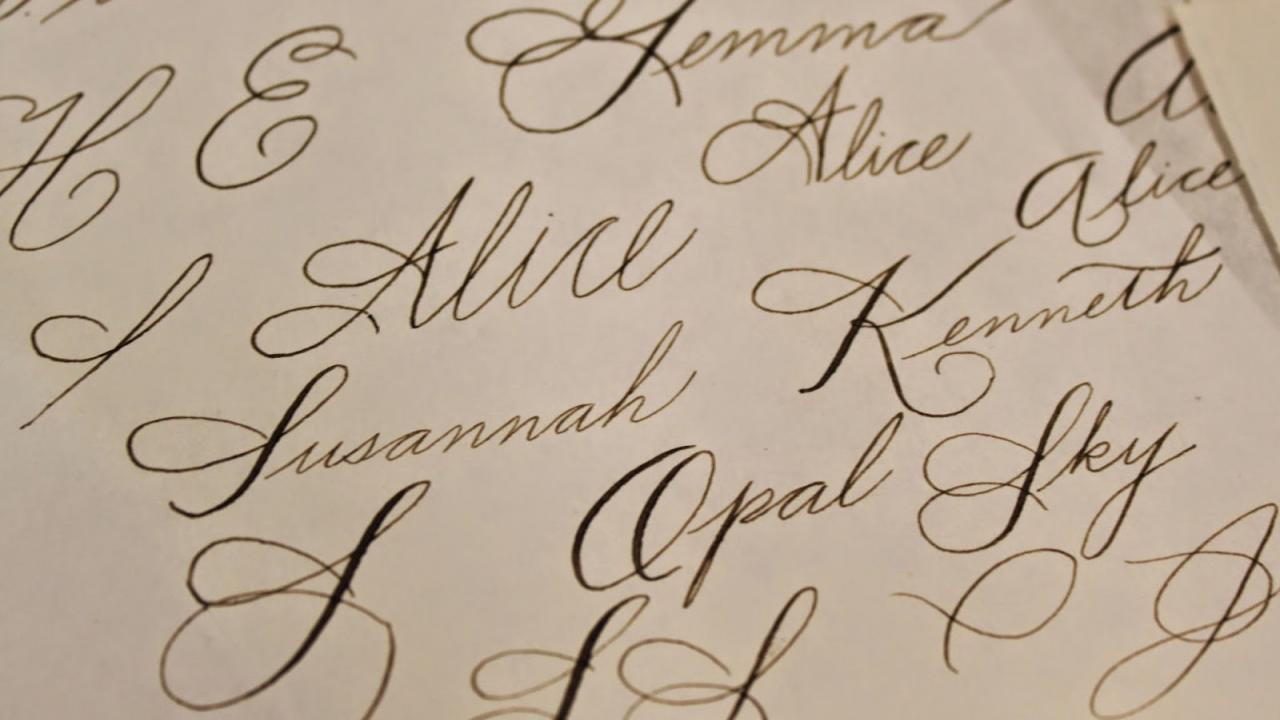
To effectively learn Spencerian Script, mastering the basic strokes is essential. These fundamental strokes form the backbone of the entire script, allowing for fluidity and elegance in your writing. Understanding and practicing these strokes will set the foundation for more advanced techniques and letter formations.The basic strokes in Spencerian Script include the entrance and exit strokes, loops, and various curved lines.
Each stroke contributes to the overall aesthetic of the script, making practice crucial for developing a natural and consistent hand. Below is a detailed guide to practicing each of these strokes, along with a suggested practice schedule.
Fundamental Strokes in Spencerian Script
Understanding the fundamental strokes is vital for creating visually appealing letters. Here are the primary strokes to focus on:
- Entrance Strokes: These are the initial strokes that lead into a letter. They should be smooth and flowing.
- Exit Strokes: These strokes finish off letters and should also maintain a consistent style and rhythm.
- Loops: Loops can be found in various letters and require precision to ensure they are even and rounded.
- Curved Lines: These strokes create the rounded aspects of letters, requiring a gentle hand and controlled pressure.
Practicing these strokes encourages muscle memory and aids in developing a consistent style.
Step-by-Step Guide to Practicing Each Stroke
A structured approach can significantly enhance your practice sessions. Follow these steps for each type of stroke:
1. Warm Up
Begin each session with light warm-up exercises. Create a series of loops and lines without focusing on perfection.
2. Slow Practice
Focus on one stroke at a time. Write it repeatedly with careful attention to form and flow.
3. Use Guidelines
Employ lined paper or a practice sheet to maintain consistent sizing and alignment.
4. Vary Speed
Alternate between slow, deliberate strokes and faster, fluid writing to build control and adaptability.
5. Reflection
Regularly assess your strokes. Compare them to ideal forms and identify areas for improvement.
Practice Schedule for Stroke Mastery
Consistency is key to mastering Spencerian Script. Here’s a suggested practice schedule to optimize your stroke development:
| Day | Focus Stroke | Practice Duration |
|---|---|---|
| Monday | Entrance Strokes | 30 minutes |
| Tuesday | Exit Strokes | 30 minutes |
| Wednesday | Loops | 30 minutes |
| Thursday | Curved Lines | 30 minutes |
| Friday | Combination of All Strokes | 45 minutes |
| Saturday | Free Practice | 1 hour |
| Sunday | Rest Day | – |
This schedule balances focused practice with opportunities to refine all strokes, ensuring steady progress. To enhance your practice, consider recording your sessions to track improvements over time.
“Consistency in practice leads to mastery, especially in the art of Spencerian Script.”
Forming the Alphabet
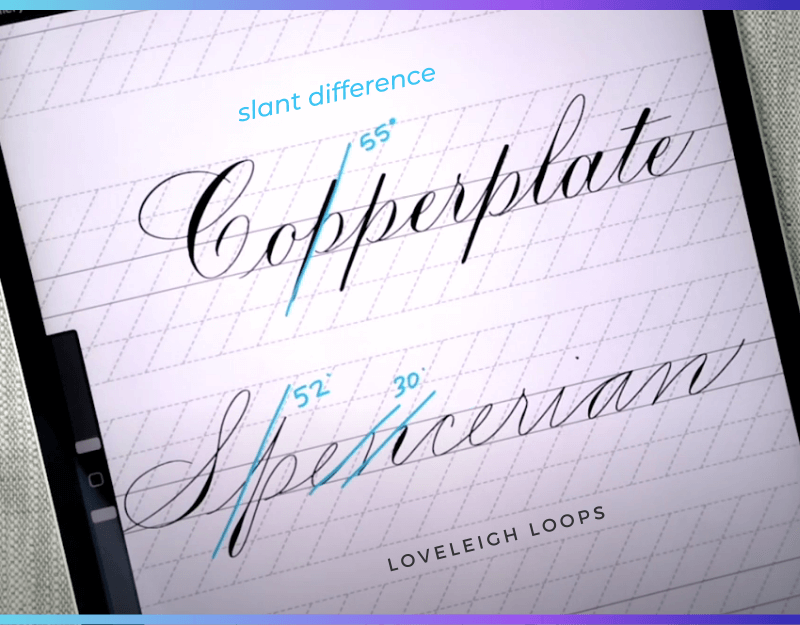
The art of Spencerian script is rooted in the elegant formation of its alphabet, which combines both the fluidity of cursive writing and the precision of ornamental design. Mastering each letter is essential for developing a cohesive and beautiful handwriting style. This section provides a detailed guide on forming both uppercase and lowercase letters while highlighting their differences and offering tips for consistency.To begin with, understanding the individual strokes that comprise each letter is vital.
The Spencerian script is characterized by its graceful curves and loops, which require practice to perfect. Below is a detailed Artikel of how to write each letter in the Spencerian alphabet.
Detailed Letter Formation
Each letter in the Spencerian script has unique characteristics that reflect its design. Below are descriptions and essential tips for writing each letter effectively:
Uppercase Letters
Typically larger, uppercase letters are ornate and serve as the foundation of Spencerian script. Each letter begins with a basic stroke, followed by flourishes that enhance their beauty. For example, the letter “A” begins with a diagonal stroke that curves into a loop, while the letter “B” features a straight line with two rounded loops branching off.
Lowercase Letters
Lowercase letters are generally smaller and more fluid, allowing for quick writing. They often consist of simpler shapes and can connect more easily to one another. For instance, the letter “a” starts with a small loop and transitions into a rounded form, while “b” consists of a straight stem leading to a rounded upper loop.
Comparison of Uppercase and Lowercase Letters
Understanding the differences between uppercase and lowercase letters is fundamental to mastering Spencerian script. The following chart summarizes key aspects:
| Letter Case | Form | Size & Slant | Flourishes |
|---|---|---|---|
| Uppercase | More ornate with defined flourishes | Larger, typically more upright | Enhanced decorative elements |
| Lowercase | Simpler form with minimal flourishes | Smaller and often slanted | Subtle decorative elements |
Tips for Maintaining Consistent Size and Slant
Achieving uniformity in size and slant is crucial for creating visually appealing Spencerian script. The following points provide guidance on maintaining consistency:
Practice with Guides
Use lined or graph paper to help maintain uniform size in your letters. Practice writing out each letter multiple times, focusing on keeping them within a consistent height and angle.
Use Proper Grip and Posture
How you hold your pen can significantly influence your writing. Maintain a relaxed grip while keeping your wrist steady to ensure smooth strokes.
Regularly Check for Slant
Consistency in slant can be achieved by frequently checking your work against a reference. An angle of approximately 45 degrees is often recommended for Spencerian script.
Develop Muscle Memory
Repetition is key to developing muscle memory for each letter’s formation and maintaining the correct size and slant. Practice regularly to reinforce correct letter shapes and strokes.
“The beauty of Spencerian script lies not only in its aesthetic appeal but also in the mastery of its alphabet, which requires dedication and practice.”
By understanding the intricacies of both uppercase and lowercase letters, as well as employing effective techniques for consistent writing, one can truly appreciate and excel in Spencerian script.
Connecting Letters and Creating Words
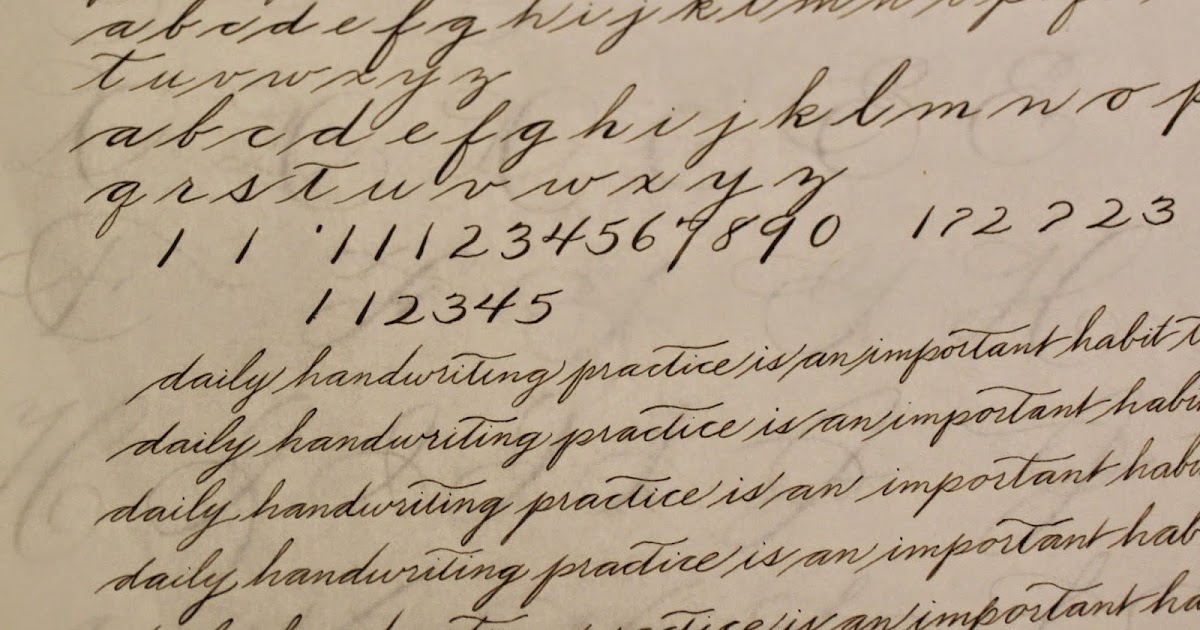
In Spencerian script, the beauty is not only in the individual letters but also in the way they connect to form fluid and elegant words. Mastering the art of connecting letters is essential for achieving the graceful flow characteristic of this script style. Understanding the techniques and common ligatures used in Spencerian writing will enhance one’s proficiency and confidence in this art form.The technique for connecting letters in Spencerian script involves maintaining consistent stroke angles and practicing smooth transitions between letters.
It is crucial to focus on the points where letters join, ensuring that the connections are both aesthetically pleasing and technically sound. To achieve fluid connections, one must practice the following techniques:
Techniques for Connecting Letters
Attention to detail is vital when connecting letters in Spencerian script. Here are some key techniques to keep in mind:
- Maintain Consistent Slant: The slant of your letters should be uniform throughout the word to create a harmonious look.
- Smooth Transitions: Focus on keeping the pen moving smoothly between letters without lifting it unnecessarily, allowing for natural curves and loops.
- Proper Spacing: Ensure that the spacing between letters is even, which contributes to the overall readability and elegance of the script.
- Practice Ligatures: Incorporate common ligatures—two or more letters joined together—into your practice to enhance smooth letter connections.
Common ligatures found in Spencerian writing add to the script’s beauty and complexity. These ligatures often combine letters such as “fi,” “fl,” “th,” and “st,” where the letters share common strokes or curves. By mastering these ligatures, one can create words that flow seamlessly and look more polished.
Common Ligatures in Spencerian Writing
Incorporating ligatures is crucial for achieving the characteristic fluidity of Spencerian script. Here are several common ligatures:
- fi: The letters ‘f’ and ‘i’ connect smoothly through a shared stroke.
- fl: Similar to ‘fi,’ the ‘f’ and ‘l’ ligature allows for a graceful transition.
- th: The combination of the ‘t’ and ‘h’ creates a distinctive, flowing connection.
- st: The ‘s’ and ‘t’ connect in a visually appealing manner, enhancing word aesthetics.
Practicing these ligatures will improve one’s ability to connect letters effectively. A dedicated exercise can facilitate this learning process by encouraging the formation of words through the application of the aforementioned techniques.
Practice Exercise for Forming Words
To hone the skills of connecting letters, a structured practice exercise is beneficial. Begin by choosing a list of simple words that contain common ligatures. The following exercise can be performed:
- Select a few words that incorporate the ligatures discussed, such as “flame,” “bright,” “stair,” and “flight.”
- Write each word slowly, focusing on connecting the letters fluidly while maintaining proper slant and spacing.
- Pay particular attention to the ligatures, ensuring that the transitions are smooth and aesthetically pleasing.
- Repeat this exercise, gradually increasing the speed while maintaining control and form.
By practicing these connections, one can develop a more intuitive understanding of Spencerian script, leading to greater proficiency and enjoyment in the art of lettering.
Developing Personal Style
The journey of mastering Spencerian Script is not only about technique but also about cultivating a personal style that reflects your individuality. As you become more comfortable with the foundational strokes and letterforms, it is essential to explore how you can infuse your character into your calligraphy. Developing a unique style is a fulfilling aspect of calligraphy that allows artists to express themselves and stand out in their craft.
Experimentation is a key component in the development of your personal style. It encourages you to play with variations in letterforms and flourishes. Instead of merely replicating traditional forms, consider how slight adjustments to angles, strokes, or embellishments can create a distinctive appearance. Taking the time to explore different styles can lead to unexpected discoveries that resonate with your artistic voice.
Many accomplished calligraphers have shared their journey in finding their unique styles, which often include a blend of classical techniques and personal twists.
Examples of Unique Styles in Calligraphy
Exploring the diverse styles developed by various calligraphers can provide inspiration for your own practice. Each artist brings their interpretation to the craft, reflecting their personality and experiences. Below are notable examples illustrating the range of styles present in the calligraphic community:
- Jake Weidmann: Renowned for his intricate flourishes and dynamic lettering, Jake combines traditional Spencerian techniques with modern aesthetics, creating a signature style that captivates audiences.
- Becca Courtice: With a focus on whimsical designs, Becca’s style incorporates playful elements and vibrant colors, making her work distinctly approachable and cheerful.
- Valerie McKeehan: Known for her elegant and fluid strokes, Valerie emphasizes simplicity and grace, using her personal flair to adapt traditional calligraphy into contemporary formats.
- Thomas P. F. Huynh: Thomas integrates Asian influences into his calligraphy, fusing different cultural elements to create a rich tapestry of styles that reflect his heritage.
Finding your personal voice in calligraphy not only enhances your creative output but also builds confidence in your abilities. As you develop your style, consider the following points to ensure that your voice is genuinely represented through your work:
- Reflect on your inspirations, whether they be nature, art, or personal experiences. Incorporate these influences into your practice.
- Document your progress and the variations you create. This record can serve as a valuable reference to understand your evolving style.
- Engage with the calligraphy community, seeking feedback and sharing your work. This interaction can offer fresh perspectives and motivate you to explore further.
- Allow yourself the freedom to make mistakes and learn from them. Sometimes, the most beautiful styles emerge from unexpected errors.
As you progress in your calligraphy journey, remember that developing a personal style is a continuous process. It requires patience, practice, and a willingness to explore the uncharted territory of your creativity.
Troubleshooting Common Issues
Learning Spencerian script can be both rewarding and challenging. As you embark on this journey, it is common to encounter a variety of obstacles that may hinder your progress. Understanding these challenges and knowing how to address them will pave the way for a more enjoyable and effective learning experience.When practicing Spencerian script, learners often face difficulties in maintaining consistent slant, uniform spacing, and fluidity while connecting letters.
These issues can stem from improper grip, lack of muscle memory, and insufficient practice. Below are some of the frequent challenges along with practical solutions to help overcome them.
Common Challenges and Solutions
Identifying specific challenges is essential for improvement. Below are common issues faced when learning Spencerian script, along with actionable solutions:
- Inconsistent Slant: A common issue is maintaining a consistent slant throughout your writing. To address this, focus on adjusting the angle of your paper and maintaining the same angle of your pen as you write. Regular practice with guidelines can also help reinforce the correct slant.
- Poor Spacing: Irregular spacing between letters can make your writing appear chaotic. To improve this, practice writing individual letters while paying attention to the space you leave between them. Use dots or small markers on your practice sheets to guide spacing.
- Difficulty in Fluidity: New learners often struggle with connecting letters smoothly, leading to disjointed writing. Practicing common letter combinations and focusing on the transition between strokes can enhance fluidity. Consider using tracing techniques to build muscle memory.
- Uneven Letter Size: Variability in letter size can disrupt the visual harmony of Spencerian script. To remedy this, create practice charts with guidelines for letter height and width. Consistent measurement through repeated practice will improve size uniformity.
- Hand Fatigue: Extended practice can lead to hand fatigue and discomfort. To prevent this, ensure that your grip on the pen is relaxed and take frequent breaks during practice sessions. Incorporating stretching exercises for your hand and wrist can also alleviate tension.
Self-Assessment Checklist
A self-assessment checklist can provide an effective way to evaluate your progress and identify areas that need improvement. Below is a suggested checklist for enhancing your technique in Spencerian script.
- Are the slant and angle of my letters consistent throughout my work?
- Is the spacing between letters even and proportionate?
- Do my letter connections appear smooth and fluid?
- Are the sizes of my letters uniform and conforming to practice guidelines?
- Am I using a relaxed grip on my writing instrument?
- Have I taken breaks during practice to avoid fatigue?
By regularly reviewing this checklist, you can track your development and make necessary adjustments to enhance your skills in Spencerian script. Remember that practice and patience are key components in overcoming these challenges.
Resources for Further Learning
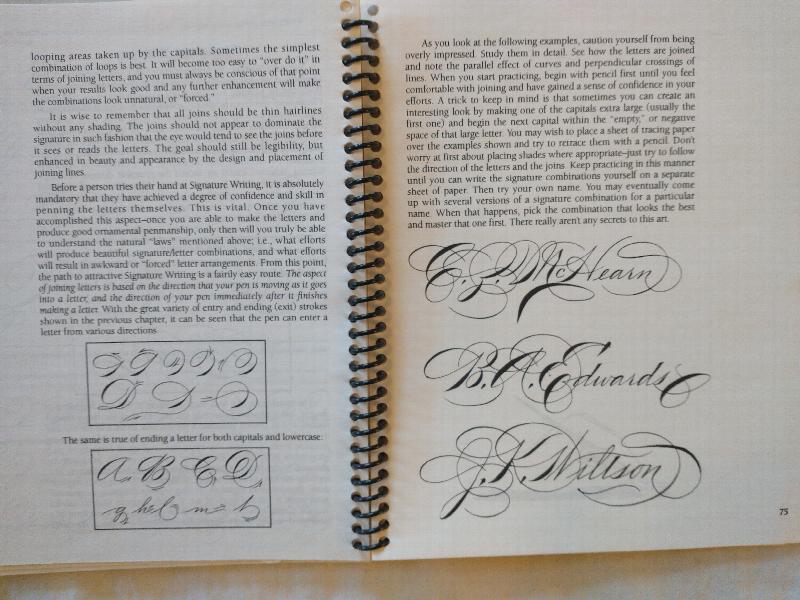
To enhance your journey in mastering Spencerian script, a variety of resources are available that cater to different learning styles and preferences. These resources encompass books, online courses, and community forums that provide invaluable support and information. Engaging with these materials will bolster your practice and deepen your understanding of the elegant art of Spencerian calligraphy.
Books on Spencerian Calligraphy
A selection of well-regarded books is essential for both beginners and experienced calligraphers. These texts offer insights, techniques, and inspiration.
- The Spencerian Penmanship: A Guide to the Art of Lettering by Michael Sull – This comprehensive guide provides detailed instruction and historical context.
- Spencerian Script and Ornamental Penmanship by Platt Rogers Spencer – A classic, this book is foundational for understanding the principles of Spencerian script.
- Calligraphy Masterclass: Learn the Art of Spencerian Script by David Harris – This practical approach combines historical techniques with modern applications.
Online Courses and Tutorials
Online platforms offer a diverse range of courses and tutorials that cater to various skill levels. These programs often include video demonstrations and interactive elements.
- Skillshare: Spencerian Calligraphy Basics
-This course focuses on the essential strokes and techniques required to master Spencerian script. - Udemy: Mastering Spencerian Script
-A comprehensive course that covers everything from basic strokes to advanced techniques. - YouTube: Calligraphy with Michael Sull
-Michael Sull’s YouTube channel features a variety of free tutorials on Spencerian script.
Online Communities and Forums
Participating in online communities and forums allows calligraphers to share their work, seek advice, and connect with others who share their passion for Spencerian script.
- Facebook Groups: Spencerian Calligraphy
-An active community where members share tips, inspiration, and feedback on their work. - Reddit: r/Calligraphy
-A subreddit dedicated to all forms of calligraphy, including Spencerian script, offering a space for questions and sharing. - Calligraphy.org Forums
-A dedicated forum for calligraphers of varying skill levels to discuss techniques and showcase their work.
Recommended Reference Materials
Below is a compilation of recommended reference materials that can aid in continued practice and mastery of Spencerian script.
| Material | Description |
|---|---|
| Practice Pads | Specially designed pads with printed guidelines to help maintain consistent letter size and spacing. |
| Calligraphy Inks | Inks formulated specifically for calligraphy, providing smooth flow and vibrant color. |
| Nib Selection | A variety of nib types, such as the Brause 361 or Leonardt Principal, which are ideal for Spencerian script. |
| Reference Sheets | Printed examples of Spencerian letters and connections for quick reference during practice. |
Engaging with these resources will significantly enhance your ability to master Spencerian script and develop your unique style.
Last Point
In conclusion, mastering Spencerian script is a rewarding endeavor that combines patience, practice, and passion. As you progress through the techniques Artikeld in this guide, remember to embrace your individual style and continue seeking inspiration from the community of calligraphers. With dedication and creativity, you will not only improve your skills but also contribute to the rich tradition of Spencerian calligraphy.