How to Use a Pointed Pen for Botanical Line Drawings invites you to explore the intricate art of botanical illustration through the elegant medium of pointed pens. This technique, revered by artists, offers a unique way to capture the delicate beauty of nature, allowing for expressive line work and detailed textures. Understanding the distinctive features of pointed pens and their significance in creating stunning botanical art can deeply enhance your artistic journey.
In this guide, we will delve into the essential materials, techniques, and step-by-step processes necessary for mastering botanical line drawings. Whether you are a novice or an experienced artist, this exploration of pointed pens will equip you with valuable insights and practical skills to elevate your artwork and celebrate the wondrous forms of plant life.
Introduction to Pointed Pens
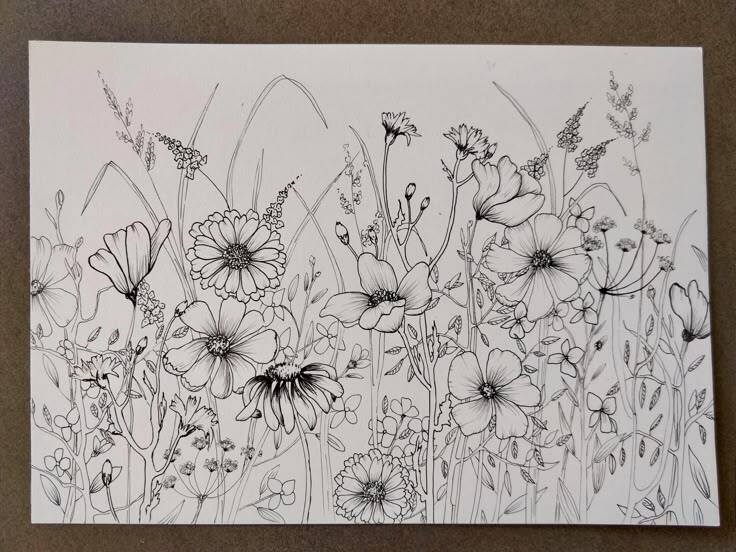
Pointed pens are specialized tools designed for creating fine lines and intricate details in various forms of art, particularly in calligraphy and botanical illustrations. Unlike traditional flat nibs, pointed pens feature a flexible nib that can produce varying line widths depending on the pressure applied while drawing. This unique characteristic allows artists to achieve a delicate balance between precision and fluidity, making pointed pens an essential choice for those seeking to convey the beauty of nature through their artwork.The significance of pointed pens in botanical line drawings lies in their ability to render the subtleties of plant forms with elegance and accuracy.
The varying line thicknesses can depict the complexity of plant textures, shadows, and contours, thus enhancing the overall aesthetic of the drawing. Artists can capture the essence of a flower’s petals or the intricate patterns of leaves, making the pointed pen an invaluable instrument for anyone interested in botanical art.
Types of Pointed Pens
Artists have access to a variety of pointed pens, each with unique features suited for different styles and techniques. Understanding these differences is crucial for selecting the right pen for botanical line drawings.
- Flexible Nib Pens: These pens have a flexible nib that responds to pressure changes, allowing artists to create varying line widths and dynamic strokes. Ideal for expressive botanical illustrations, these pens enable the depiction of delicate details.
- Stiff Nib Pens: Stiffer nibs provide more control for fine lines and are often preferred for detailed work. They are particularly useful in creating precise Artikels and intricate designs that require consistency.
- Brush Pens: Featuring a brush-like tip, these pens allow for smooth transitions between thick and thin lines. They are popular among artists for their versatility and ability to mimic the natural flow of ink.
- Metal Nib Pens: These pens feature a metal nib that offers durability and precision. Artists often use them for detailed work due to their ability to produce fine lines consistently without wear.
The choice of pointed pen can significantly affect the outcome of botanical line drawings, influencing both the technique and style of the artwork. Artists are encouraged to experiment with different types of pointed pens to discover which best complements their individual approach to botanical illustration.
Materials Needed for Botanical Line Drawings
Creating botanical line drawings requires a thoughtful selection of materials that enhance both the artistic and technical aspects of the work. Utilizing the right tools not only improves the quality of the artwork but also provides an enjoyable drawing experience.The essential supplies for using a pointed pen in botanical illustrations include specific types of pens, inks, and papers tailored for detailed artwork.
Selecting these materials based on their compatibility and quality is crucial for achieving the desired results.
Essential Supplies for Pointed Pen Use
The selection of appropriate tools is fundamental to producing high-quality botanical line drawings. Here is a list of essential supplies needed for effective use of a pointed pen:
- Pointed Pen Nibs: Choose flexible nibs such as those from brands like Brause or Gillott to create varied line thicknesses.
- Pen Holders: A comfortable holder, typically made from wood or plastic, ensures a good grip and control.
- Ink: High-quality, waterproof ink is essential; consider inks like Higgins Black Magic or Dr. Ph. Martin’s India Ink for rich color and durability.
- Pencils: Use light graphite pencils for initial sketches to guide your drawing without overpowering the final inked lines.
- Erasers: A kneaded eraser is preferable as it allows for gentle lifting of graphite without damaging the paper.
Best Types of Paper for Botanical Illustrations
The type of paper selected for botanical illustrations significantly impacts the final outcome. Ideally, the paper should be smooth and durable to withstand ink application without bleeding. Consider the following types of paper suitable for botanical line drawings:
- Cold Press Watercolor Paper: This type has a textured surface that can add depth to botanical illustrations while handling ink well.
- Smooth Bristol Board: Perfect for detailed line work, its smooth surface allows for clean, crisp lines and is available in various weights.
- Mixed Media Paper: This versatile paper accommodates both ink and watercolor, making it ideal for artists who wish to incorporate color later.
Choosing the Right Ink for Pointed Pen Use
Selecting the right ink is essential for ensuring that the lines produced by the pointed pen are both vibrant and resistant to fading. The ink should be suitable for use with the nib and should offer the desired finish, whether matte or glossy.When choosing ink for botanical illustrations, consider the following criteria:
- Waterproof and Fade-Resistant: Inks like India ink are recommended for their durability and resistance to water, which is crucial for preserving the artwork.
- Viscosity: The ink should have a consistency that allows for smooth flow through the nib without clogging.
- Color Options: Select inks in a range of colors to enhance the natural hues of the botanicals being drawn; this adds vibrancy and depth to the artwork.
Techniques for Using a Pointed Pen
The pointed pen opens up a world of artistic possibilities, particularly in the realm of botanical line drawings. Mastering the techniques associated with this tool allows artists to create intricate and expressive representations of plant life. Understanding how to manipulate line weight, texture, pressure, and angle is fundamental to achieving the desired effects in your work.Controlling line weight is one of the primary techniques that can dramatically affect the visual appeal of your botanical drawings.
The pointed pen excels in creating varying line widths, which can enhance the depth and dimension of your illustrations. By adjusting the pressure applied to the nib while drawing, artists can produce both bold and delicate lines that convey a sense of organic growth and vitality.
Control of Line Weight
Achieving variation in line weight involves a careful interplay of pressure and movement. The following points Artikel key aspects of controlling line weight with a pointed pen:
- Light Pressure for Thin Lines: Applying minimal pressure allows the nib to create fine, delicate lines, ideal for intricate details in leaves and petals.
- Increased Pressure for Thick Lines: Pressing down harder while drawing results in broader lines that can effectively depict the Artikel of larger elements or shadows.
- Consistent Motion: Maintaining a steady hand and consistent speed while drawing enhances the uniformity of line weight, contributing to a polished appearance.
- Layering Technique: Overlapping lines can create depth; for instance, layering varying weights can suggest shadow and texture.
Texture in Botanical Drawings
Incorporating different textures into botanical line drawings enhances realism and interest. Variations in line can simulate various surface qualities found in nature, such as the roughness of bark or the smoothness of petals. The following techniques can be employed to create texture:
- Dotting and Stippling: Small dots or stippled areas can depict textures like the soft fuzz on a leaf or the roughness of tree bark.
- Cross-Hatching: This technique involves drawing intersecting lines to create shadow and depth, often used in areas where light does not hit directly.
- Scumbling: A technique that involves using a series of short, curved strokes to convey form and texture, effective for creating the appearance of foliage.
- Varying Line Widths: Switching between thick and thin lines within the same drawing can suggest texture; for example, a thick line may represent a deeply veined leaf while a thin line could depict fine details.
Pressure and Angle in Line Quality
The angle at which the pen is held and the pressure applied during drawing significantly influence line quality. Understanding the relationship between these two factors will enhance your control over the outcome of your botanical drawings.
- Holding Angle: A steeper angle can produce finer lines, while a more horizontal angle may yield broader strokes, both of which can be used strategically within a single piece.
- Pressure Variability: Learning to adjust pressure dynamically throughout a single stroke can add life to the drawing, creating a more natural flow that mimics the organic nature of plants.
- Practice and Experimentation: Regular practice with different angles and pressures helps familiarize artists with the capabilities of their pointed pen, leading to more confident and expressive work.
Step-by-Step Process of Botanical Line Drawings
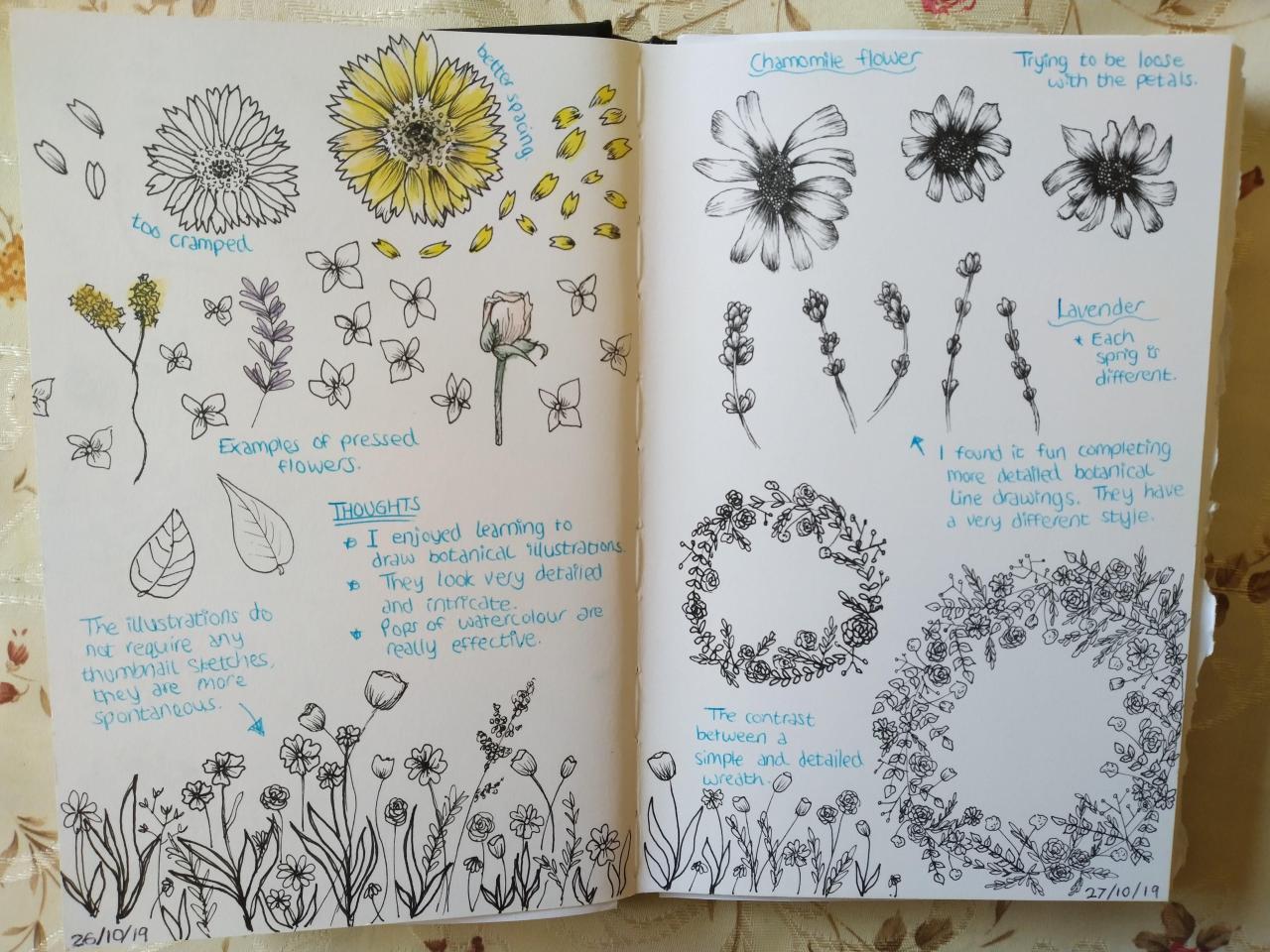
Creating botanical line drawings with a pointed pen can be a rewarding and expressive practice. This process not only enhances your artistic skills but also deepens your appreciation for the intricacies of nature. By following a systematic approach, you can produce elegant representations of flowers and leaves, capturing their unique characteristics.Begin your botanical line drawing by gathering the necessary materials, including your pointed pen, ink, and suitable paper.
The initial step involves selecting your botanical subject, which should ideally be a simple flower or leaf to practice on. Observing the subject closely will aid in capturing its details accurately.
Steps to Start a Basic Botanical Line Drawing
The following steps Artikel how to initiate your botanical line drawing:
1. Choose a Subject
Select a flower or leaf that you find appealing. A simple subject, such as a daisy or a single leaf, is ideal for beginners.
2. Observation
Study your chosen subject. Pay attention to its structure, proportions, and unique features, including the spacing between petals or the texture of the leaf surface.
3. Light Sketching
Using a pencil, lightly sketch the Artikel of your subject. Focus on the overall shape and placement before adding intricate details.
4. Inking
Once you are satisfied with your pencil sketch, begin inking with your pointed pen. Start with the major Artikels, then move on to finer details. Remember to maintain a steady hand for clean lines.
5. Detailing
Add textures, veining, and delicate features that characterize your subject. Vary your line thickness to create depth and interest.
6. Final Touches
After the ink has dried, gently erase any visible pencil lines, ensuring a clean finish to your artwork.
Tips for Sketching Flowers and Leaves Accurately
When sketching botanical subjects, precision and observation are critical. Here are some valuable tips to enhance your accuracy:
Use Reference Images
Consult botanical illustrations or photographs to better understand your subject’s anatomy.
Practice Proportions
Keep proportions consistent by measuring with your pencil against your subject.
Focus on Shapes
Break down complex forms into basic shapes to simplify the drawing process.
Observe Light and Shadow
Note how light interacts with your subject to add depth through shading and contrast.
Experiment with Line Weight
Differentiate elements by varying line thickness, which adds dimension and realism.
Take Your Time
Allow yourself the time to observe and draw, as rushing can lead to mistakes.
Example of a Simple Botanical Subject to Practice
A great subject for beginners is the daisy, known for its simple structure and symmetrical form. Below is a breakdown of its components that you can focus on while practicing:
| Component | Description |
|---|---|
| Petals | Long, narrow, and arranged in a circular pattern around the center. Observe their slight variations in shape and length. |
| Center Disk | A round, textured area that often contains small flowers. Pay close attention to its intricate details. |
| Stem | A slender and elongated structure that supports the flower. Notice the curvature and thickness. |
| Leaves | Typically lance-shaped with serrated edges. Observe their arrangement and direction relative to the stem. |
Common Mistakes and How to Avoid Them
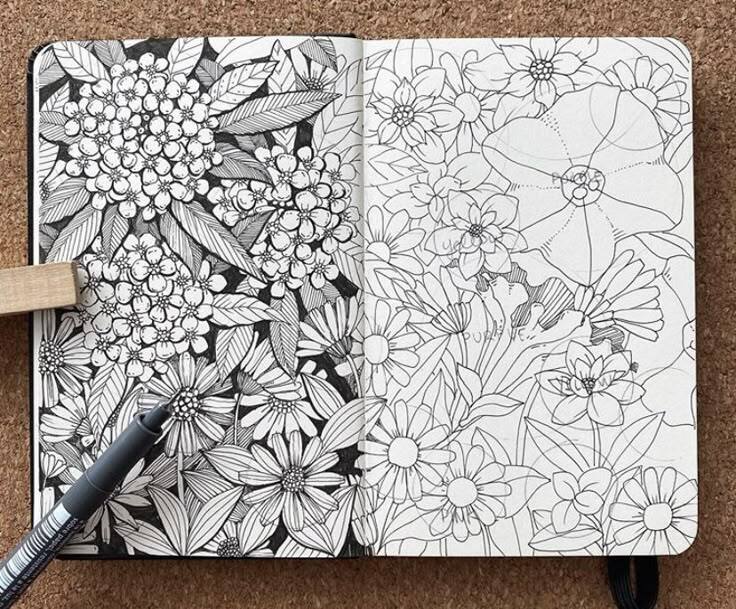
Botanical line drawing with a pointed pen can be a meticulous and rewarding process, yet artists often encounter common pitfalls that can hinder their progress. Understanding these mistakes and knowing how to avoid them will enhance the overall quality of your art. Here, we will explore prevalent errors, strategies for correction, and the importance of maintaining a clean workspace.
Frequent Errors in Botanical Line Drawings
Identifying the common mistakes made by artists when using a pointed pen is crucial for improving technique and achieving desired results. Below are several frequent errors:
-
Uneven Pressure Application:
Many artists struggle with applying consistent pressure, which can lead to varying line thickness and an unbalanced appearance.
-
Inadequate Ink Loading:
Insufficient ink can result in faint lines, while overloading can cause ink to bleed, both of which disrupt the drawing’s clarity.
-
Incorrect Pen Angle:
Maintaining the appropriate angle of the pen can be challenging, but an incorrect angle can lead to unwanted line quality and texture.
-
Rushing the Process:
Many artists attempt to complete their drawings too quickly, which can lead to hasty lines and a lack of attention to detail.
-
Poorly Defined Edges:
Neglecting to define edges clearly can create a lack of depth and dimension in the botanical forms.
Strategies for Correcting Mistakes in Line Work
Correcting mistakes in line work is essential for maintaining the integrity of your botanical drawings. Here are effective strategies to address common issues:
-
Practice Controlled Pressure:
Engage in exercises that focus on applying varying pressure to develop better control over line thickness.
-
Test Ink Consistency:
Before commencing your drawing, take a moment to test the ink flow on scrap paper to ensure it is neither too thick nor too thin.
-
Adjust Pen Angle:
Experiment with different angles and find one that allows for smoother line creation while maintaining consistency.
-
Take Your Time:
Allow yourself sufficient time for each section of your drawing to enhance precision and detail.
-
Refine Edges Post-Drawing:
Use a fine brush or a correction pen to sharpen edges and add depth after completing the initial line work.
Maintaining a Clean Workspace
A clean workspace is fundamental in ensuring a successful drawing experience. An organized area can prevent many avoidable mistakes and enhance focus. Consider the following practices:
-
Regularly Clean Your Tools:
Ensure your pointed pen and other tools are clean from ink residue to maintain their effectiveness and prevent smudging on your artwork.
-
Designate a Specific Area:
Establish a dedicated drawing space that is free from distractions and clutter, which can interfere with your workflow.
-
Organize Materials:
Keep all your drawing materials, such as paper, pens, and ink, well-organized and within arm’s reach to minimize disruptions during the drawing process.
Enhancements and Finishing Touches
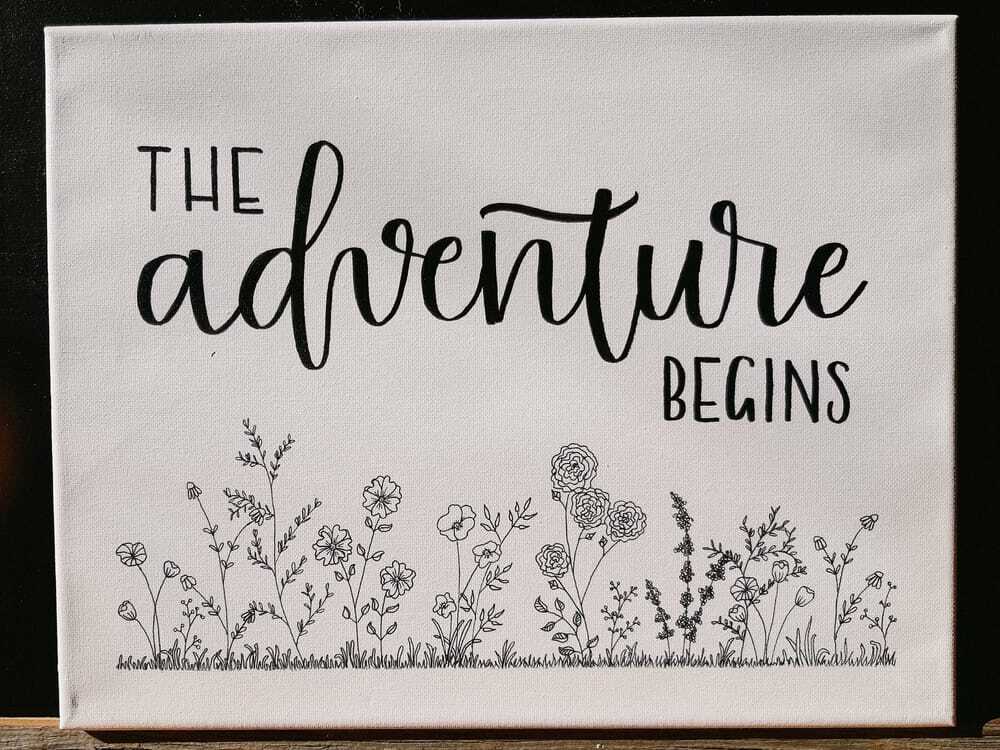
Adding enhancements and finishing touches to botanical line drawings can elevate the artwork, making it more visually engaging and expressive. After completing the initial drawing, artists can explore various techniques to add depth and interest to their pieces. This section Artikels methods to embellish botanical line drawings, recommendations for incorporating color and other media, and the use of digital tools to finalize illustrations.
Methods to Embellish Botanical Line Drawings
Enhancing a botanical line drawing involves techniques that can enrich the visual appeal of the artwork. Artists can consider the following methods to add unique features to their pieces:
- Textural Effects: Utilize tools like stippling or cross-hatching to create varied textures within the drawing. These effects can simulate the natural textures found in plants, such as the roughness of bark or the softness of petals.
- Inking Techniques: Incorporate different inking techniques such as varying line thickness, using a brush pen for a more dynamic look, or adding decorative borders around the artwork to frame the piece beautifully.
- Highlighting Specific Areas: Use white gel pens or opaque inks to add highlights to certain areas of the drawing, bringing attention to details like dew drops on leaves or the sheen on a flower petal.
Recommendations for Adding Color or Other Media
Incorporating color into botanical line drawings can transform the artwork and provide a more vibrant representation of the subject. Various media can be utilized to achieve this effect:
- Watercolor: Layering transparent watercolors over the line drawing can create a soft and natural look. The watercolors should be applied lightly to maintain the integrity of the lines.
- Colored Pencils: Colored pencils allow for precise control and can be used to build up color gradually. This technique is ideal for achieving rich, deep hues while preserving the detailed lines beneath.
- Markers: Alcohol-based markers offer vibrant colors and smooth application, making them suitable for bold botanical illustrations. They are excellent for achieving even coverage and can blend seamlessly.
- Pastels: Soft pastels can be used for a more painterly effect. They can be blended to create various textures and depth, particularly in backgrounds or shaded areas.
Use of Digital Tools for Finalizing Botanical Illustrations
Digital tools provide artists with a versatile platform for enhancing botanical illustrations. These tools can be used for various purposes, from polishing line work to adding intricate details.
- Digital Editing Software: Programs like Adobe Illustrator or Procreate allow artists to refine their line work, adjust colors, and add layers of texture or patterns digitally. The ability to zoom in and manipulate every detail offers a higher level of precision.
- Layering Techniques: Digital artists can work with layers to separate different elements of the artwork, making it easier to edit specific sections without affecting the entire piece. This allows for more experimentation and flexibility in design.
- Text Addition: Digital platforms enable the inclusion of text, such as botanical names or artistic titles, in various fonts and styles, enhancing the educational aspect of the illustrations.
“The integration of digital tools not only streamlines the editing process but also opens up new avenues for creativity in botanical illustration.”
Resources for Further Learning
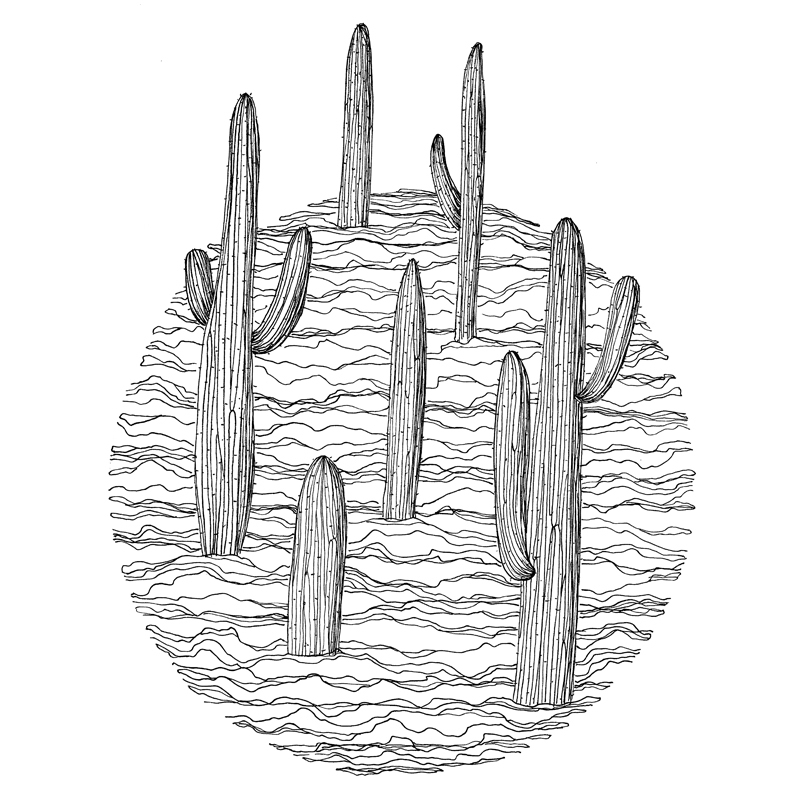
Expanding your knowledge and skills in botanical line drawing with pointed pens can open up new creative avenues. Numerous resources are available, including books, online courses, and communities where artists can share insights and artwork. Engaging with these resources will enhance your understanding and mastery of the technique.
Books and Online Courses
Several books and online courses can provide a comprehensive understanding of botanical illustration techniques. These resources cover various aspects, from basic principles to advanced techniques, ensuring artists at any level can find valuable information.
- Botanical Illustration: A Beginner’s Guide by Sarah Simblet – This book offers a hands-on approach to botanical illustration, including exercises designed specifically for pointed pen techniques.
- Modern Watercolor Botanicals by Angela M. S. F., which provides insight into combining watercolor with line work, focusing on the use of pointed pens for detailed drawings.
- Online Course: Botanical Illustration with Ink on platforms like Skillshare or Udemy – These courses often include video tutorials that showcase the techniques of using pointed pens effectively.
- Botanical Illustration Certificate Program at institutions like the New York Botanical Garden, which offers structured learning through workshops and critiques tailored to pointed pen techniques.
Notable Artists Specializing in Pointed Pen Techniques
A number of artists have gained recognition for their work in botanical illustration using pointed pens. Their unique styles and techniques can serve as inspiration for your own practice.
- Clare O’Connor
-Known for her exquisite detailed illustrations of plants, Clare employs pointed pens to create intricate line work that captures the essence of each botanical subject. - Margaret Best
-Her work showcases the versatility of pointed pens in botanical art, blending accuracy with an artistic flair, often featuring vibrant hues paired with detailed lines. - Lisa M. N. C. G.
-An emerging artist whose online presence includes video tutorials that highlight her techniques and approaches to using pointed pens in botanical illustrations.
Online Communities and Forums
Engaging with online communities allows artists to share tips, showcase their artwork, and receive feedback from peers. Below is a table of notable online platforms where you can connect with fellow botanical illustrators.
| Community/Forum | Description | Focus Area |
|---|---|---|
| Botanical Art Online | A platform dedicated to sharing botanical art, offering critiques and discussions. | Botanical Illustration |
| Instagram Hashtags (#BotanicalIllustration) | A popular social media platform for sharing artwork, with various hashtags to discover related content. | Art Sharing and Networking |
| Facebook Groups (e.g., Botanical Illustration Group) | Interactive groups where members post work, ask questions, and provide feedback. | Community Support |
| Reddit (r/botanicalart) | A subreddit dedicated to botanical art, allowing users to post artwork and get advice. | Art Discussion |
Closing Notes
In conclusion, mastering the use of a pointed pen for botanical line drawings opens up a world of artistic expression and creativity. From understanding the nuances of line weight and texture to avoiding common mistakes, the skills gained from this practice will not only enhance your botanical illustrations but also enrich your overall artistic repertoire. With the right materials, techniques, and a passion for nature, you can create captivating works of art that resonate with beauty and precision.