How to Use Calligraphy in Your Bullet Journal presents a delightful opportunity to express creativity while enhancing organization. Calligraphy, an art form that transforms ordinary writing into elegant scripts, adds a personal touch to your bullet journal, making it not just a planner but a canvas of self-expression. This introduction explores the significance of integrating calligraphy into your journaling practice, highlighting its myriad benefits such as improved visual appeal and increased motivation through artistic entries.
By adopting various calligraphy styles and techniques, one can create stunning headers, quotes, and layouts that invigorate the journaling experience. From the essential tools required for calligraphy to the basic techniques every beginner should master, this guide aims to illuminate the path towards transforming your bullet journal into a remarkable work of art.
Introduction to Calligraphy in Bullet Journals
Incorporating calligraphy into bullet journals serves not only as a decorative element but also enhances the overall functionality of these organizational tools. Calligraphy transforms standard entries into visually appealing pieces of art, making the journaling experience more enjoyable and meaningful. It fosters creativity and personal expression, allowing users to communicate their thoughts and plans through beautifully crafted letters.The benefits of using calligraphy in bullet journals extend beyond aesthetics.
This art form promotes mindfulness, as the intentional act of writing engages the mind and encourages focus. Furthermore, calligraphy can aid in organization; clear and artistic headings can help delineate sections, making information easier to locate. The practice also encourages personal expression, enabling individuals to infuse their personality into their journaling.
Popular Calligraphy Styles Suitable for Bullet Journaling
When choosing a calligraphy style for a bullet journal, several popular options stand out due to their accessibility and visual appeal. Each style brings a unique character, allowing for versatility in expression.The following styles are particularly well-suited for bullet journaling:
- Modern Calligraphy: Characterized by its freeform and fluid nature, modern calligraphy is a blend of traditional and contemporary techniques. It often features varying stroke weights and playful flourishes, making it ideal for headers and decorative elements.
- Brush Lettering: This style utilizes a brush pen or a pointed brush to create thick and thin strokes, resulting in a dynamic look. Brush lettering is popular for its boldness and can be used for capturing attention in title pages or key quotes.
- Italic Calligraphy: Known for its slanted and elegant appearance, italic calligraphy lends a classic feel to bullet journal entries. Its structured forms work well for lists and section titles, providing a refined aesthetic.
- Block Letters: Simple yet effective, block letters are straightforward and easy to read. They can be embellished with colors or patterns, making them versatile for headings and notes.
- Cursive Calligraphy: This flowing style mimics cursive handwriting, offering a personal touch to bullet journal entries. Cursive can be used for writing quotes or personal affirmations, fostering a sense of intimacy with the content.
Calligraphy not only elevates the visual appeal of a bullet journal but also enhances the overall journaling experience. By selecting a style that resonates with personal taste, individuals can create a customized organizational tool that reflects their unique creativity.
Tools and Materials for Calligraphy
To effectively incorporate calligraphy into your bullet journal, understanding the essential tools and materials is crucial. The right equipment not only enhances the aesthetic appeal of your entries but also improves your handwriting skills over time. Below, we explore the necessary tools and materials, as well as specific types of ink and paper that are recommended for calligraphy practice.
Essential Calligraphy Tools
Having the right tools is foundational to successful calligraphy. Below is a list of essential calligraphy tools needed for your bullet journal:
- Calligraphy Pens: These come in various forms such as dip pens, fountain pens, and brush pens, each offering unique styles and effects.
- Ink: Quality ink is vital for producing smooth lines and vibrant colors.
- Paper: The right paper prevents ink bleed-through and helps maintain the integrity of your letters.
- Ruler: A ruler is useful for drawing straight lines and maintaining consistent spacing in your layouts.
- Pencil and Eraser: Pencils help draft layouts and designs before committing to ink, while erasers help clean up any mistakes.
- Blending Tools: Tools like blending brushes or sponges can help create gradients and shading effects.
Types of Ink and Paper
Choosing the appropriate ink and paper is essential for achieving the best results in calligraphy. The following recommendations will aid in your selection:
- Ink: Look for waterproof and fast-drying inks to avoid smudging and ensure longevity. Popular choices include India ink for dip pens and archival ink for fountain pens.
- Paper: Smooth, high-quality paper designed for calligraphy will prevent bleed and allow for clean strokes. Consider papers like Bristol board or high-quality sketch paper.
Comparison of Calligraphy Pens
A variety of calligraphy pens are available, each with distinct features that cater to different styles and preferences. The following table compares different types of calligraphy pens:
| Type of Pen | Features | Best For |
|---|---|---|
| Dip Pen | Interchangeable nibs, control over ink flow | Traditional calligraphy styles |
| Brush Pen | Flexible brush tip, varied stroke thickness | Modern calligraphy and hand lettering |
| Fountain Pen | Convenient refillable ink, ease of use | Everyday writing with a touch of elegance |
| Marker Pen | Bold colors, variety of tip sizes | Quick notes and colorful designs |
“The right tools not only make the process easier but also enhance the quality of your work, allowing your creativity to shine through.”
Basic Calligraphy Techniques
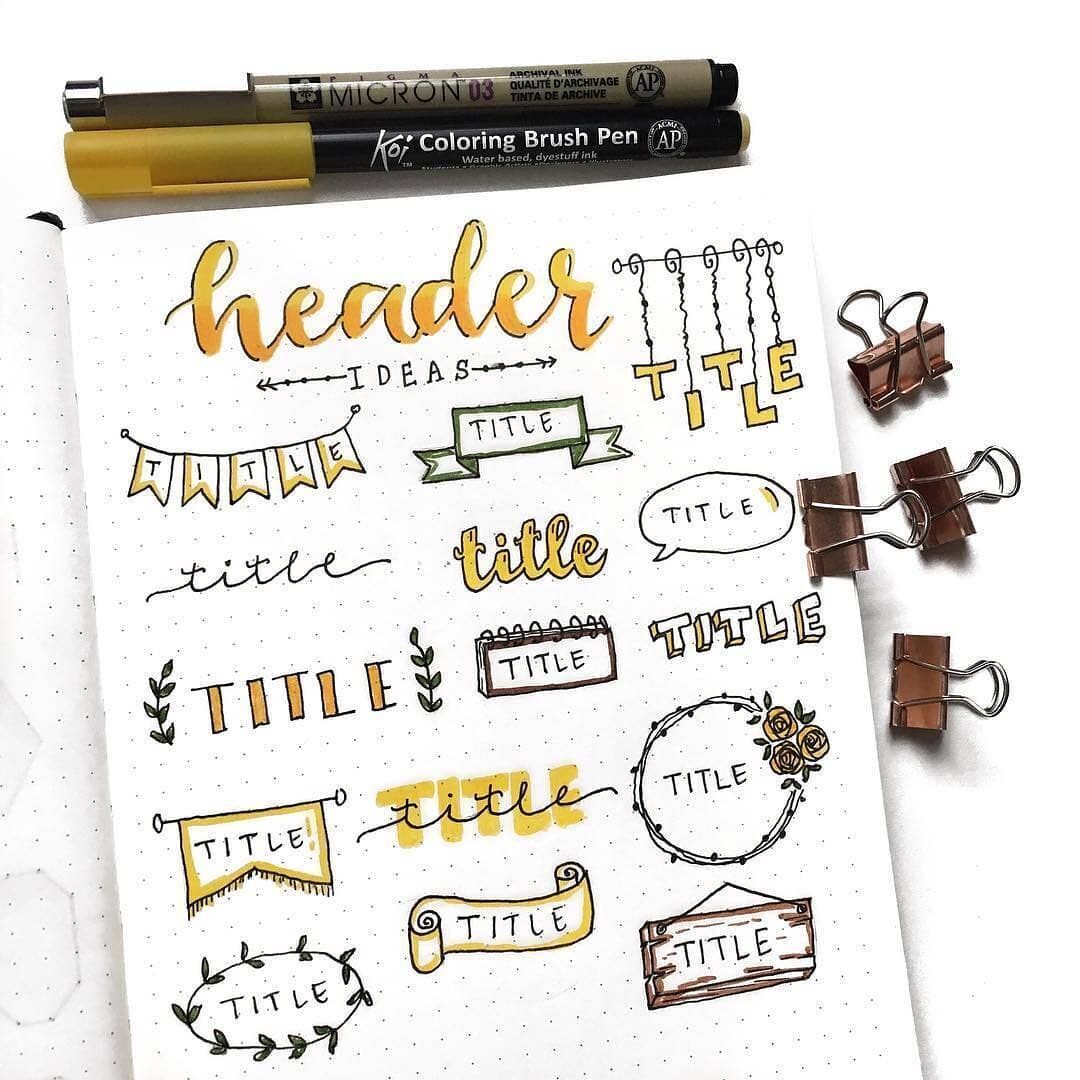
Calligraphy is an art form that combines beauty and precision in writing. For beginners, mastering a few fundamental techniques can significantly enhance the aesthetic appeal of your bullet journal. Understanding these basic strokes and how to practice them is essential for developing your unique calligraphic style.The foundational techniques of calligraphy focus on the formation of basic strokes, which are the building blocks of all letters.
Each stroke varies in pressure and direction, greatly influencing the overall look of your lettering. To achieve beautiful calligraphy, practicing these strokes consistently is paramount.
Fundamental Strokes and Practice Procedures
To begin your calligraphy journey, it is essential to practice the fundamental strokes regularly. The following steps Artikel a straightforward procedure for practicing these strokes:
1. Materials Needed
Ensure you have the right tools, including a calligraphy pen, practice paper, and a ruler for guidelines.
2. Set Up a Practice Sheet
Create a grid or guideline on your paper to maintain uniformity in size and spacing. This helps in achieving consistent letter heights.
3. Warm-Up Strokes
Start with warm-up strokes such as upstrokes, downstrokes, and curves. Practice these strokes while varying the pressure applied on the pen:
Upstrokes
Light pressure, moving upward to create thin lines.
Downstrokes
Heavy pressure, moving downward for thicker lines.
Curves
Practice rounded strokes to transition between thin and thick lines smoothly.
4. Repetition
Repeat each stroke multiple times, focusing on consistency and control. Consider timing your practice sessions to build muscle memory.
5. Combine Strokes
Once comfortable, begin combining strokes to form simple letters. Start with easy letters like ‘i’, ‘l’, and ‘t’.
Common Mistakes and Avoidance Strategies
Understanding common mistakes while practicing calligraphy can help you improve more efficiently. Below is a list of frequent pitfalls along with strategies to avoid them:
Inconsistent Pressure
Many beginners struggle with maintaining consistent pressure during strokes.
*Avoidance*
Focus on using your whole arm and wrist instead of just your fingers to create controlled movements.
Poor Posture
Slouching or an awkward grip can lead to fatigue and poor quality strokes.
*Avoidance*
Sit upright with a relaxed grip on your pen, using your whole arm for fluid motion.
Rushed Practice
Skipping strokes or hurrying through practice leads to sloppy results.
*Avoidance*
Slow down your practice sessions. Quality over quantity is essential for developing skill.
Ignoring Guidelines
Practicing without guidelines can lead to inconsistent letter sizes and spacing.
*Avoidance*
Always use a ruler to create guidelines on your practice paper to maintain uniformity.
Neglecting to Review
Failing to assess your progress can hinder improvement.
*Avoidance*
Periodically review your previous strokes and letters to identify areas for enhancement.By adhering to these basic techniques and awareness of common mistakes, beginners can lay a solid foundation for their calligraphy practice, enhancing the beauty of their bullet journals.
Integrating Calligraphy into Bullet Journal Layouts
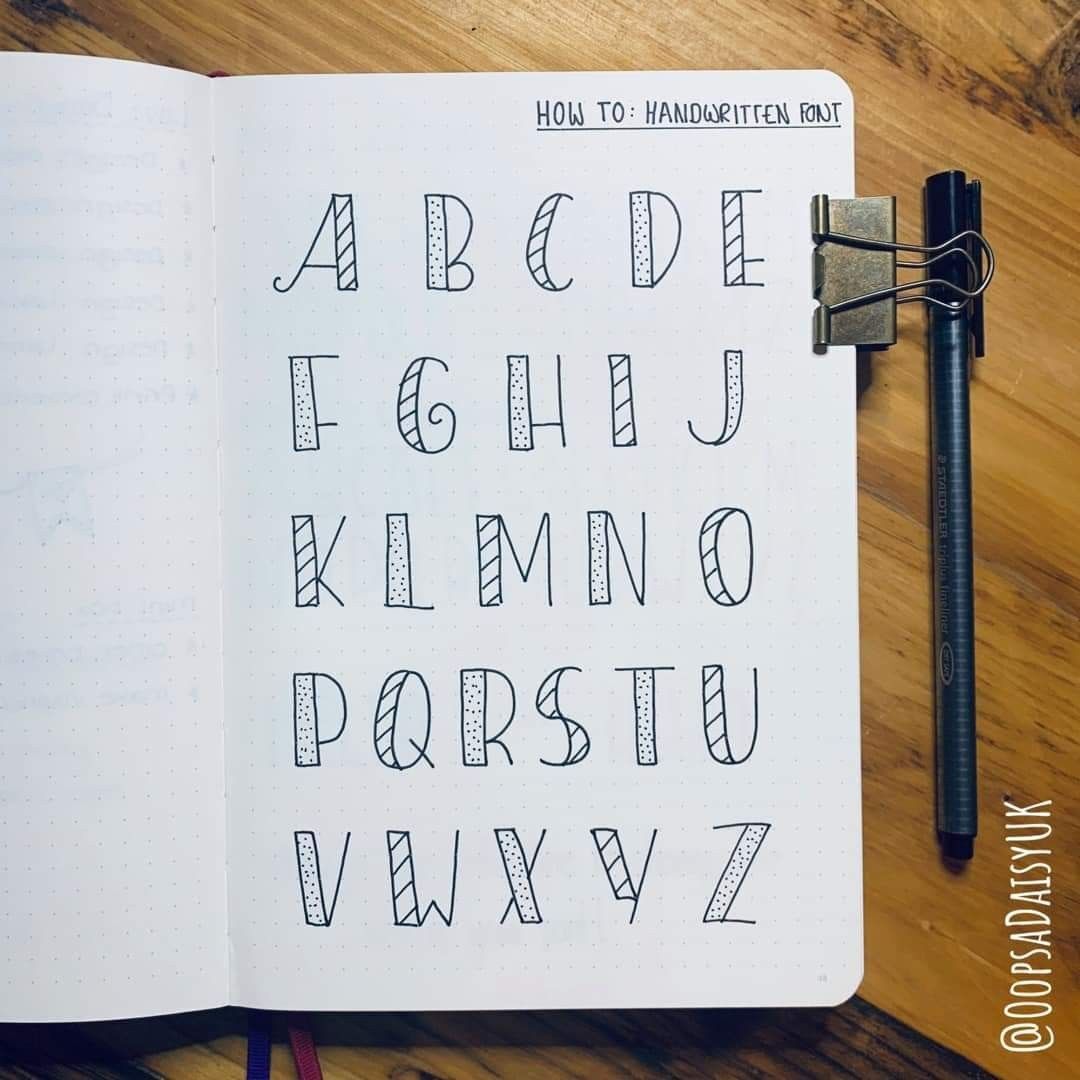
Incorporating calligraphy into your bullet journal can elevate its aesthetic and make your pages more inviting. With the right techniques and a bit of creativity, you can transform simple notes into artistic expressions. This section delves into various methods for seamlessly integrating calligraphy into your layouts, providing examples and visual guidance to inspire your designs.Calligraphy can enhance various elements of your bullet journal, making it visually appealing while also adding a personal touch.
By using calligraphy for headers, titles, and quotes, you can create focal points on each page and enhance the overall organization of your entries. Below are some effective methods for incorporating calligraphy into your bullet journal layouts.
Methods for Calligraphy Integration
Utilizing calligraphy in your bullet journal not only beautifies your pages but also aids in organization. Below are key methods to effectively integrate calligraphy into your layouts:
- Headers and Titles: Use calligraphy to create eye-catching headers for each section. For instance, when tracking monthly goals, a beautifully scripted “April Goals” at the top of the page can set a positive tone. Consider using a larger size for headers to make them stand out.
- Quotes: Inspirational quotes can be transformed into art pieces through calligraphy. For example, script a motivational quote at the start of a week’s spread, allowing it to serve as daily encouragement.
- Banners and Dividers: Stylized banners and dividers can separate sections in your bullet journal. Drawing a calligraphy banner that reads “Weekly Overview” can not only organize but also add a decorative element to the layout.
- Date and Day Labels: Write the date and day labels in calligraphy to add flair to each daily entry. This can make daily logs feel more special and personalized.
- Lists and Bullet Points: Enhance your lists by incorporating calligraphy for bullet points or the titles of each list. Using a different style for the list title can create a visual hierarchy.
Examples of Calligraphy in Bullet Journals
Real-life examples can provide inspiration for your own bullet journal entries. Consider the following examples that showcase effective use of calligraphy:
- Header Example: “Monthly Reflection” in an elegant cursive can serve as an inviting entry point for your monthly review, setting the tone for reflection.
- Quote Example: A favorite quote, such as “The best time for new beginnings is now,” beautifully scripted in brush lettering, can serve as a highlight on your month’s spread.
- Section Divider Example: A whimsical calligraphy divider stating “Things to Remember” can add charm and clarity to your notes.
Visual Guide for Combining Calligraphy with Bullet Journal Elements
To effectively combine calligraphy with other bullet journaling elements, visual aids can be incredibly helpful. Consider the following design guide:
Layout Structure
Create sections with clearly defined boundaries using calligraphic titles and simple dividers. For instance, a title that reads “Goals” could be followed by a simple line drawn in calligraphy style underneath to separate it from the subsequent lists.
Color Coordination
Utilize color to enhance your calligraphy. Pairing pastel shades with a black or gold calligraphy pen can create a striking contrast that draws the eye.
Illustrative Elements
Combine calligraphy with illustrations or doodles. For example, if you have a section for “Travel Plans,” hand-drawn icons of airplanes or suitcases next to a calligraphic title can make the page lively.
Spacing and Alignment
Ensure that there is enough space between your calligraphy and other elements. Proper alignment enhances readability and visual appeal.By integrating these methods and examples into your bullet journal, you can create a personalized and aesthetically pleasing organization tool that reflects your unique style and preferences. Calligraphy not only beautifies your journals but also adds a layer of motivation and inspiration to your daily entries.
Calligraphy Styles for Different Themes
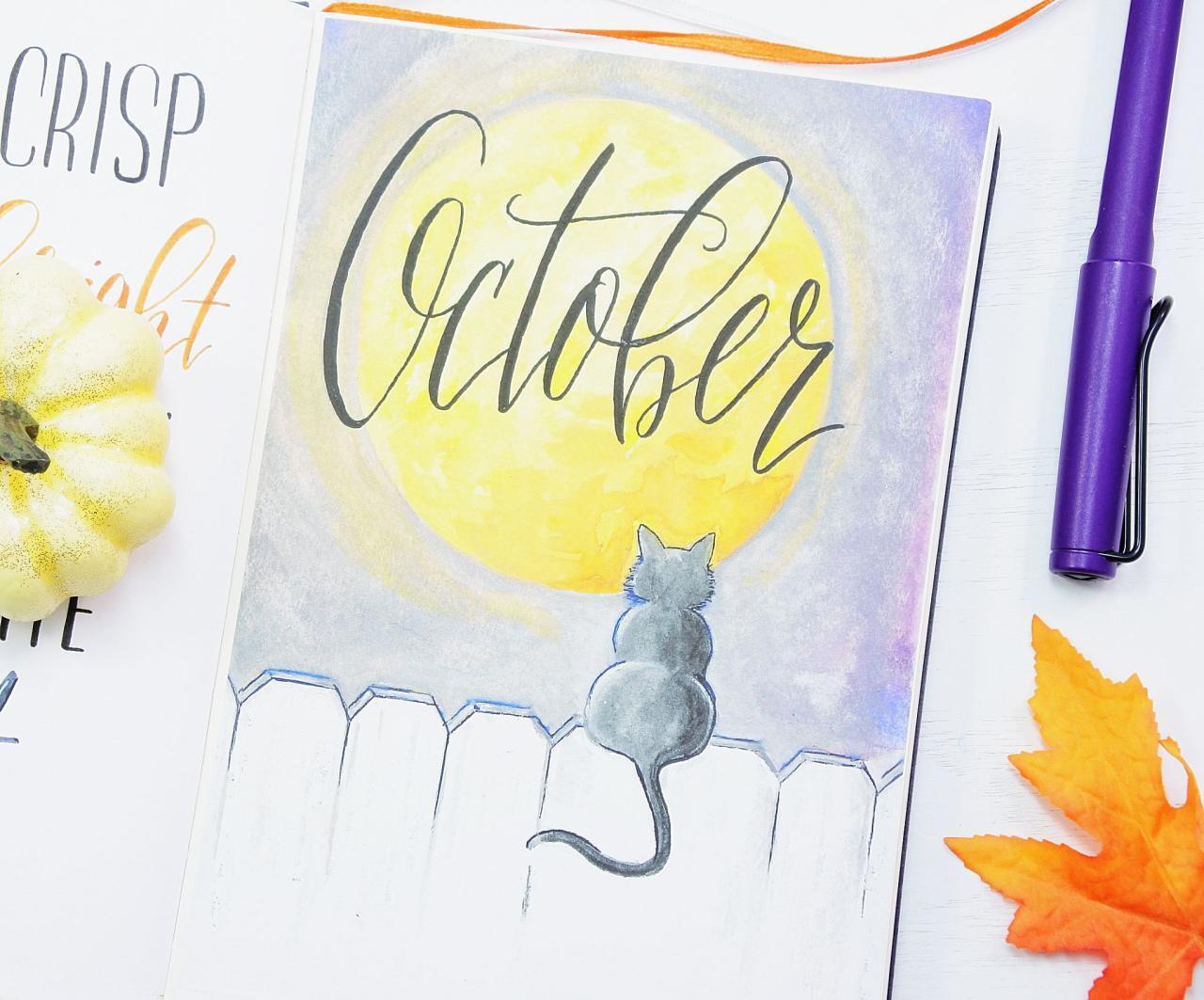
Calligraphy is a versatile art form that can enhance the aesthetic of your bullet journal across various themes. By selecting appropriate styles, you can set the mood and convey the essence of your entries, whether seasonal, motivational, or reflective. Understanding these styles allows for a more personalized and visually appealing journal, making each spread unique and inviting.Different calligraphy styles can significantly impact the presentation of your bullet journal.
For instance, a whimsical script may suit a spring-themed layout, while a bold and structured style can enhance motivational quotes. Here are some calligraphy styles that resonate with various journal themes:
Examples of Calligraphy Styles for Themes
Selecting the right calligraphy style for your theme can elevate your bullet journal. The following list Artikels popular calligraphy styles matched with their suitable themes:
- Modern Calligraphy: This style is characterized by freeform and fluid strokes, making it perfect for creative and personal themes, such as love letters or diary entries.
- Gothic Calligraphy: With its dramatic flair and intricate designs, Gothic calligraphy is ideal for Halloween or medieval themes, adding a touch of elegance and intrigue.
- Brush Script: This style mimics the strokes of a paintbrush and is perfect for summer-themed spreads, evoking a light and carefree vibe.
- Serif Calligraphy: This structured style is excellent for formal themes, such as wedding planning or professional goals, providing a classic and sophisticated look.
- Playful Handwriting: A casual and fun style that works well for seasonal themes, like autumn festivities or spring blooms, promoting a cheerful and inviting atmosphere.
In addition to choosing the right style, adapting calligraphy for weekly or monthly spreads can enhance readability and organization. Consider the importance of maintaining consistency while incorporating different styles to match the entries.
Tips for Integrating Calligraphy into Spreads
When adapting calligraphy for your bullet journal layouts, consider the following tips for a cohesive and visually appealing presentation:
- Utilize a consistent size across headings and subheadings to maintain uniformity.
- Experiment with color combinations to enhance the visual appeal without overwhelming the reader.
- Incorporate decorative elements, such as frames or flourishes, that complement the calligraphy style chosen for each theme.
- Use contrasting styles, such as combining modern calligraphy for headings and serif fonts for body text, to create a dynamic layout.
- Practice different styles in a separate section of your journal before applying them to main layouts to ensure confidence and proficiency.
“The style of your calligraphy can reflect the mood of your bullet journal, making it not just a planner, but a beautiful work of art.”
When choosing a calligraphy style, it is essential to consider the mood you want to convey. For instance, a gentle cursive may evoke tranquility, while bold lettering can inspire motivation and energy. By thoughtfully selecting and adapting styles, your bullet journal can become an extension of your personality and creative expression.
Creative Calligraphy Projects for Bullet Journals
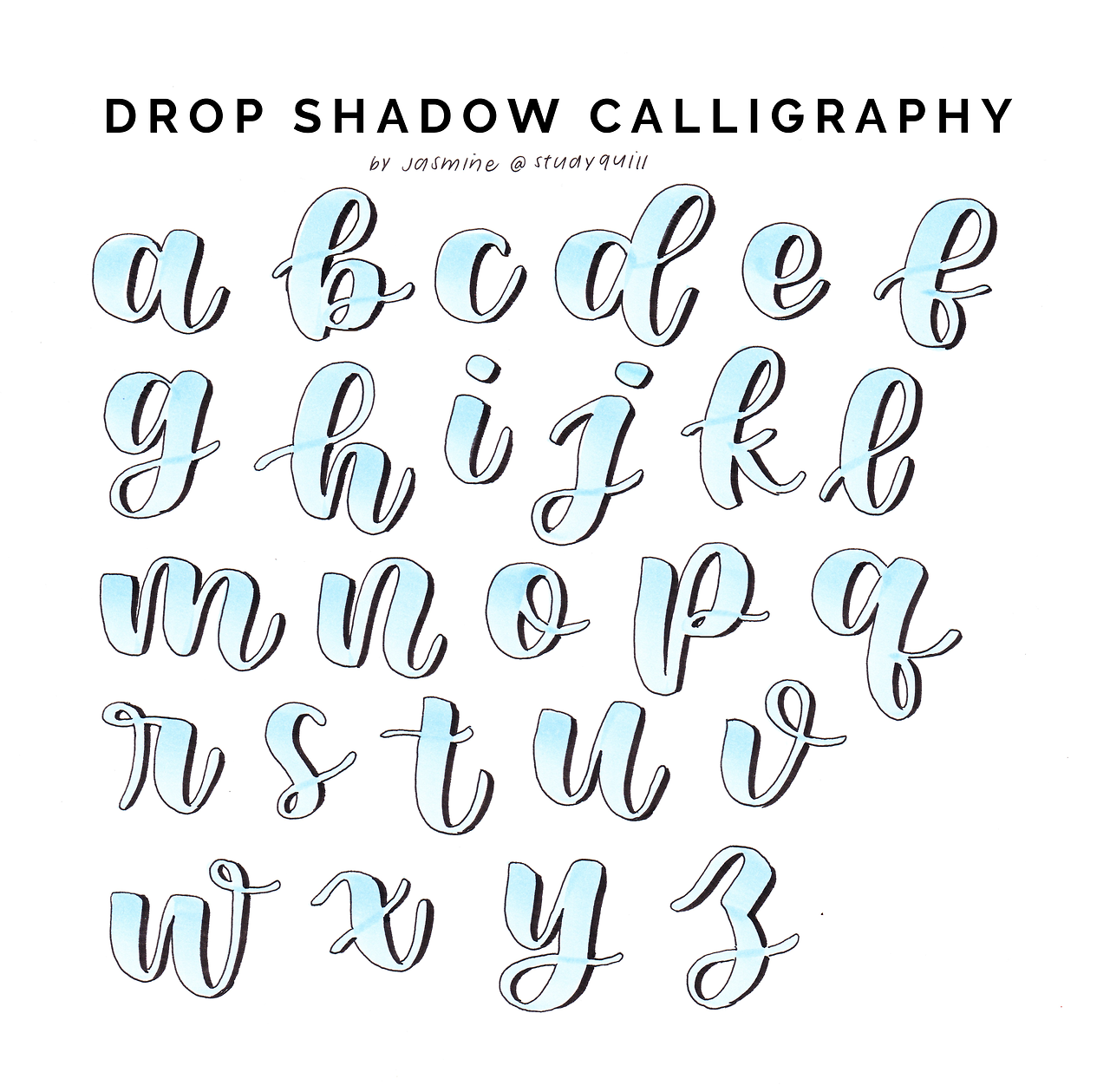
Engaging in creative calligraphy projects not only enhances your bullet journal but also encourages a more personalized approach to your planning. These projects can serve various purposes, from setting intentions to tracking habits, allowing for both functional and decorative elements to coexist beautifully on the pages of your journal.In this section, we will explore a variety of fun calligraphy projects that you can incorporate into your bullet journal.
These projects are designed to inspire your creativity while utilizing different calligraphy techniques and styles. Below is a list of thematic project ideas accompanied by the necessary tools and estimated time for execution.
Project Ideas for Integration
These project ideas are excellent for both beginners and experienced calligraphers, each offering a unique way to enhance your bullet journal’s aesthetic and functionality.
| Project Idea | Tools Needed | Estimated Time |
|---|---|---|
| Monthly Goals Page | Brush pens, ruler, washi tape | 1-2 hours |
| Habit Tracker | Fineliner pens, colored markers | 1 hour |
| Weekly Spread with Quotes | Calligraphy pens, stencils | 1 hour |
| Birthday and Event Calendar | Gel pens, decorative stickers | 1-2 hours |
| Gratitude Log | Watercolor pens, calligraphy brush | 1-1.5 hours |
Utilizing these project ideas, you can bring a sense of purpose and joy to your journaling practice. Each project not only serves a specific function but also offers an opportunity to express your artistic flair through calligraphy.
Creating Custom Fonts for Unique Bullet Journal Entries
Custom fonts can significantly enhance the appeal of your bullet journal entries, allowing you to add a personal touch that reflects your style. Creating your own fonts involves understanding the basic letter forms and how to combine them to craft a cohesive look.
1. Choose a Base Style
Start by selecting a style of calligraphy that resonates with you, such as modern calligraphy, Gothic, or serif styles.
2. Sketch Your Alphabets
Using a pencil, sketch each letter of the alphabet. Focus on maintaining consistent height and width for each letter to ensure uniformity.
3. Experiment with Flourishes
Add unique flourishes or embellishments to your letters. This could include swirls, loops, or extra lines that complement your base style.
4. Digitize Your Design
After finalizing your sketches, consider digitizing them. Use graphic design software to refine your designs further, allowing for easy resizing and application in your bullet journal.
5. Practice and Refine
As with any skill, practice is key. Regularly write with your new font to become proficient and comfortable using it in various contexts within your journal.By developing your custom fonts, you enhance your bullet journal’s individuality, making each entry not only functional but also a work of art in its own right.
Resources for Learning Calligraphy
Embarking on the journey of mastering calligraphy can greatly enhance your bullet journal experience. Fortunately, numerous resources are available for those wishing to delve deeper into this elegant art form. These resources range from online courses to books that cater to various skill levels, ensuring that every aspiring calligrapher can find valuable guidance.A consistent practice regimen is crucial for developing calligraphy skills.
It is beneficial to set achievable goals, which can help track progress and maintain motivation. Below are a selection of recommended platforms, books, and tips to support your learning journey.
Online Platforms and Courses for Calligraphy
Many online platforms offer comprehensive courses tailored to different aspects of calligraphy. Engaging with these resources not only provides structured learning but also connects students with experienced instructors and a community of fellow learners. Notable platforms include:
- Skillshare: This platform features various calligraphy courses that cover everything from basic techniques to advanced styles, often taught by professional calligraphers.
- Udemy: Udemy offers a broad range of calligraphy courses, including specific styles such as brush lettering and modern calligraphy, along with detailed tutorials.
- CreativeLive: Aimed at creative individuals, CreativeLive provides classes that focus on both the artistic and technical aspects of calligraphy, often featuring guest artists.
- YouTube: A treasure trove of free content, YouTube hosts numerous channels dedicated to calligraphy tutorials, demonstrations, and tips from skilled artists.
Books and Tutorials for Enhancing Calligraphy Skills
Books remain an invaluable resource for anyone looking to improve their calligraphy practice. They often contain detailed instructions, examples, and exercises designed to refine your skills. Below is a curated list of highly recommended titles:
- The Calligrapher’s Bible by David Harris: This comprehensive guide covers a wide range of calligraphy styles and techniques, making it suitable for beginners and advanced artists alike.
- Modern Calligraphy: A Step-by-Step Guide to Hand Lettering by Lisa Engelbrecht: This book provides an approachable introduction to modern calligraphy, complete with practice sheets.
- Mastering Copperplate Calligraphy by Eleanor Winters: A focused study on the Copperplate style, this book offers thorough explanations and exercises for mastering this elegant form.
Importance of Regular Practice and Goal Setting
Regular practice is essential to achieving proficiency in calligraphy. By dedicating time each day or week to practice, you can see significant improvements in your technique and confidence. Setting achievable goals, such as mastering a new style each month or filling a certain number of pages in your bullet journal, keeps the practice engaging and rewarding.
Establishing a routine and measurable goals can turn the journey of learning calligraphy into a fulfilling and enjoyable experience.
Closing Summary
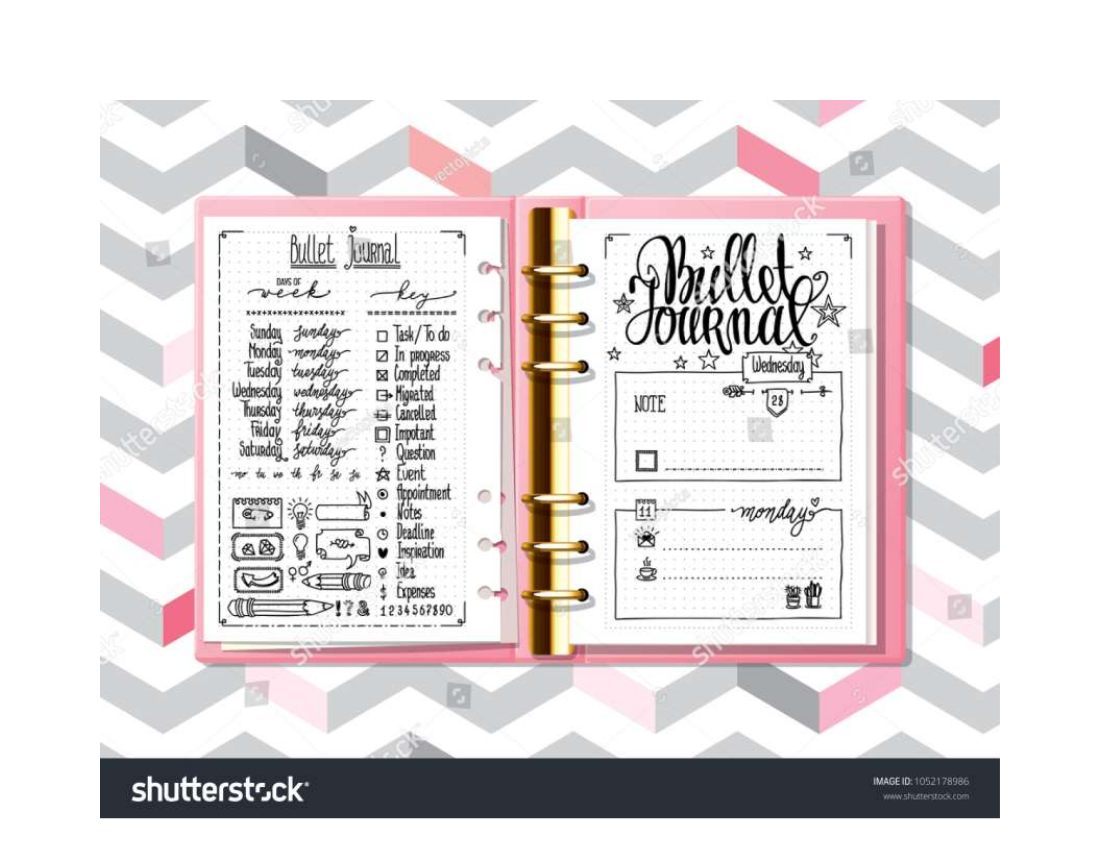
In conclusion, incorporating calligraphy into your bullet journal is not only a means of beautifying your pages but also a powerful tool for personal growth and reflection. By experimenting with different styles and techniques, you can cultivate a journaling practice that is uniquely yours, filled with creativity and inspiration. As you embark on this artistic journey, remember that the key lies in practice and exploration, allowing your bullet journal to evolve alongside you.